They are trash like any other laptop as thin and unventilated as that.
I mean, it depends on what you’re using a laptop for.
Like you, I have pretty consistently also pointed out, when people talk about, say, doing heavy LLM crunching on laptops, that the form factor just is not great for heat dissipation or using a lot of power.
But, I mean, that’s not everything that people do on a laptop. I’m writing a comment on a Lemmy Web page right now. That’s not a terribly compute-intensive task.
Honestly, what irks me more about thin laptops is that they invariably have limited battery size. I’d be quite happier with a thicker laptop if it meant 100 Wh batteries, but most laptop vendors have smaller batteries. Lithium batteries are a lot cheaper in 2026 than they were some decades back. A lot of laptops ship with something like a 50Wh battery. Sure, it’s great to shave down cost, and a lot of consumers don’t think about battery life when buying a laptop, but in 2026, it’s less than ten cents per watt-hour for lithium-ion cells. From my perspective, the return here is just not great.
Yeah, we’ve also generally improved power efficiency, and USB PD is a thing, so you can carry powerstations, but I’d rather have a laptop that knows how much time it has left and don’t need to haul out an external battery and eat up a USB-C port. And you can always do something useful with laptop battery life. Brighter screens. More USB-connected devices. Degrading your battery less over time by not completely charging and discharging it. More fan cooling, more CPU capability, more GPU capability. The only people who don’t get anything out of more battery are people who always use their laptop as a portable desktop, never use it unless it’s plugged into wall power.
There’s some weight argument, maybe, but if that’s what you want, back when lithium batteries were more expensive, a number of laptop vendors used to provide the option of smaller batteries, often shipping laptops with an option of a smaller battery or a larger (more expensive) one. That could still be done today, and if you have a smaller battery, the laptop is lighter.
I can maybe understand someone arguing some thinness benefits from an ergonomic standpoint, but…desktop keyboards are almost always thicker than laptops. Desktop touchpads that I’ve seen generally are as well. If, given a situation where you don’t have size constraints for actual usage, users choose thicker devices, it’s hard for me to see the argument for a laptop form factor.


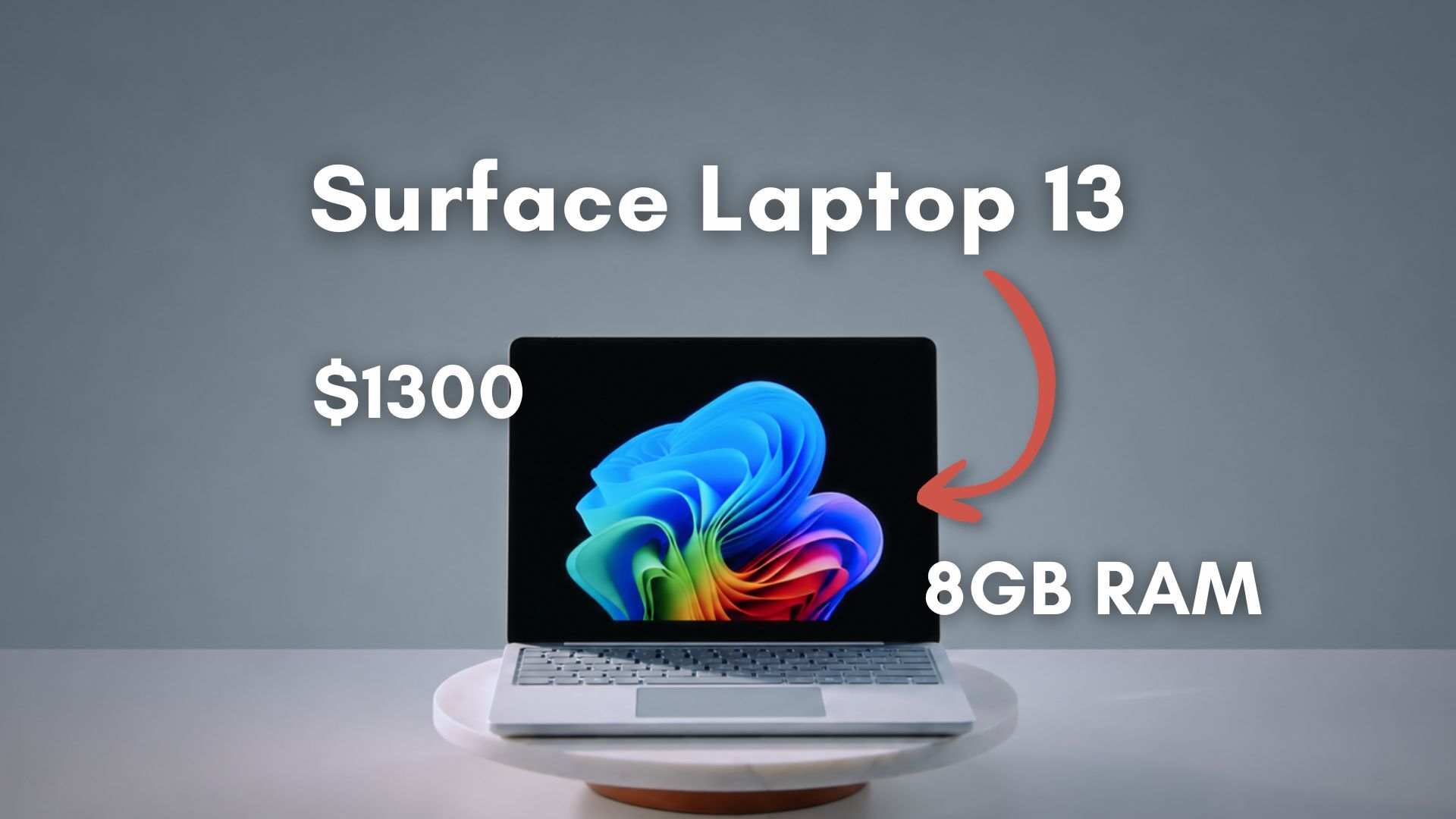
They are trash like any other laptop as thin and unventilated as that.
I mean, it depends on what you’re using a laptop for.
Like you, I have pretty consistently also pointed out, when people talk about, say, doing heavy LLM crunching on laptops, that the form factor just is not great for heat dissipation or using a lot of power.
But, I mean, that’s not everything that people do on a laptop. I’m writing a comment on a Lemmy Web page right now. That’s not a terribly compute-intensive task.
Honestly, what irks me more about thin laptops is that they invariably have limited battery size. I’d be quite happier with a thicker laptop if it meant 100 Wh batteries, but most laptop vendors have smaller batteries. Lithium batteries are a lot cheaper in 2026 than they were some decades back. A lot of laptops ship with something like a 50Wh battery. Sure, it’s great to shave down cost, and a lot of consumers don’t think about battery life when buying a laptop, but in 2026, it’s less than ten cents per watt-hour for lithium-ion cells. From my perspective, the return here is just not great.
Yeah, we’ve also generally improved power efficiency, and USB PD is a thing, so you can carry powerstations, but I’d rather have a laptop that knows how much time it has left and don’t need to haul out an external battery and eat up a USB-C port. And you can always do something useful with laptop battery life. Brighter screens. More USB-connected devices. Degrading your battery less over time by not completely charging and discharging it. More fan cooling, more CPU capability, more GPU capability. The only people who don’t get anything out of more battery are people who always use their laptop as a portable desktop, never use it unless it’s plugged into wall power.
There’s some weight argument, maybe, but if that’s what you want, back when lithium batteries were more expensive, a number of laptop vendors used to provide the option of smaller batteries, often shipping laptops with an option of a smaller battery or a larger (more expensive) one. That could still be done today, and if you have a smaller battery, the laptop is lighter.
I can maybe understand someone arguing some thinness benefits from an ergonomic standpoint, but…desktop keyboards are almost always thicker than laptops. Desktop touchpads that I’ve seen generally are as well. If, given a situation where you don’t have size constraints for actual usage, users choose thicker devices, it’s hard for me to see the argument for a laptop form factor.