Anti-piracy DRM solutions like Denuvo don't do a great job at stopping illegal sharing, and the gaming industry is surely looking at alternatives. Rather than techological, I think the answer is contractual. I break down the history of game piracy and where I think it's headed next.
They did exactly that already actually when they brought up cars and housing.
Generational wealth through ownership.
They, themselves say they have a collection of the past they’ll cherish. But should anyone else want to collect something like that, oh no, it’s worthless when they’re dead, so you shouldn’t have the ability to own it like I do.
Literally pulling the ladder up after they benefitted. Just like on housing. On vehicles. Now on games.


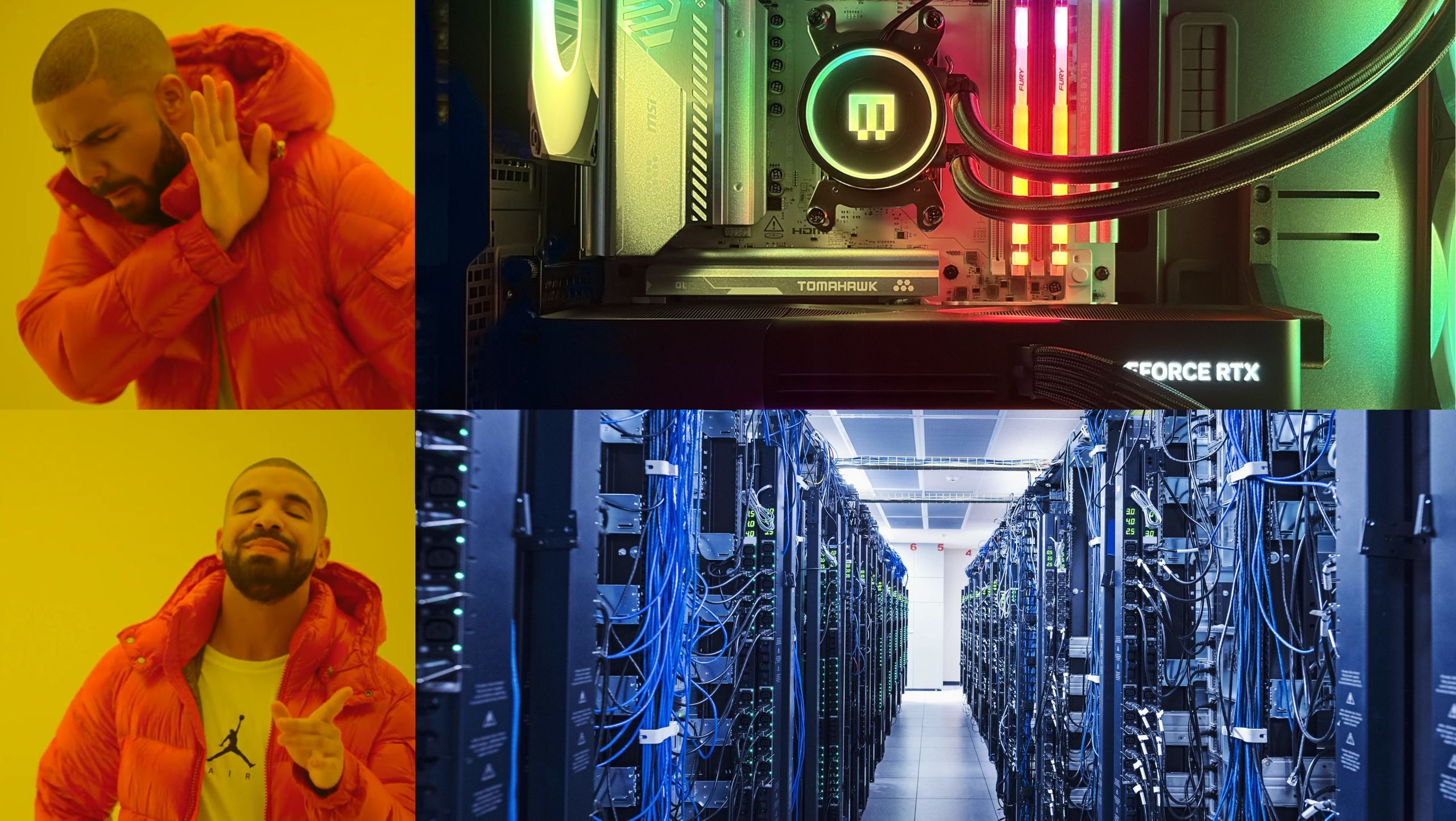
I think the more philosophical issue is that there is a class of people who are the “owners” and a class who are the “users”.
The “owners” have a whole ton of power over what we use. When ownership was decentralized, so was the power.
We’re talking about games here, but this can generalize to do many other things.
They did exactly that already actually when they brought up cars and housing.
Generational wealth through ownership.
They, themselves say they have a collection of the past they’ll cherish. But should anyone else want to collect something like that, oh no, it’s worthless when they’re dead, so you shouldn’t have the ability to own it like I do.
Literally pulling the ladder up after they benefitted. Just like on housing. On vehicles. Now on games.