The refs are trained to let play happen for minor fouls if a promising attack is occurring. VAR is there to catch things like this and correct them. If no scoring happens, then the game flows freely. If every foul was called that VAR saw, then the game would be stopped all the time. Also, if the fouls are called when they happen (like they used to do), then the play stops and no scoring can happen. What about when the foul is deemed to be not a foul after review? The scoring chance is gone for no reason. Most of the time, the minor fouls don’t really affect the game. They do in the box, and when they create a scoring chance. So the rules allow the game to be played to allow scoring to happen just in case what looked like a foul is not considered a foul.
Tennis is a bad example for this, since play is stopped all the time and it isn’t a contact sport. Yes, you can do automated calls like offside, goal/no goal, in/out of bounds. And two of those already are called automatically. But fouls can be very subjective, even within the same game.
I hear what you’re saying, but a foul is a foul. If the players no longer think “if the ref doesn’t see it, it’s not a foul” that might make the game flow more smoothly as well. And the refs are trained to play on if the foul was committed by the defending team, not the attacking team, this was not a play on situation, and the VAR team can be trained the same way.
The tennis analogy certainly isn’t perfect but using all the information available to the officials as soon as possible and removing as much subjectivity as possible has been a massive improvement to tennis. Unless you enjoy the drama more than you enjoy seeing who is better on a particular day.


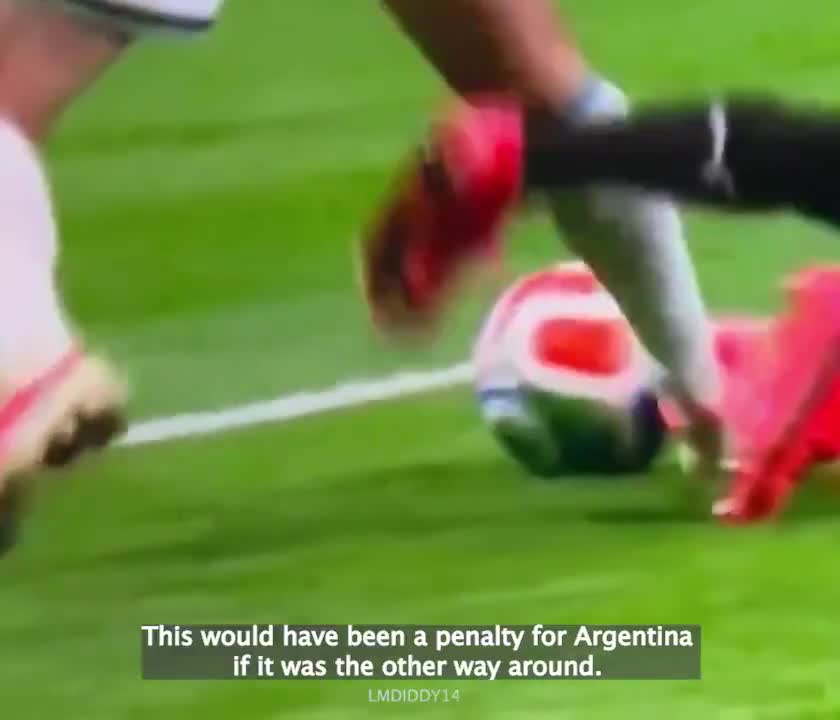
The refs are trained to let play happen for minor fouls if a promising attack is occurring. VAR is there to catch things like this and correct them. If no scoring happens, then the game flows freely. If every foul was called that VAR saw, then the game would be stopped all the time. Also, if the fouls are called when they happen (like they used to do), then the play stops and no scoring can happen. What about when the foul is deemed to be not a foul after review? The scoring chance is gone for no reason. Most of the time, the minor fouls don’t really affect the game. They do in the box, and when they create a scoring chance. So the rules allow the game to be played to allow scoring to happen just in case what looked like a foul is not considered a foul.
Tennis is a bad example for this, since play is stopped all the time and it isn’t a contact sport. Yes, you can do automated calls like offside, goal/no goal, in/out of bounds. And two of those already are called automatically. But fouls can be very subjective, even within the same game.
I hear what you’re saying, but a foul is a foul. If the players no longer think “if the ref doesn’t see it, it’s not a foul” that might make the game flow more smoothly as well. And the refs are trained to play on if the foul was committed by the defending team, not the attacking team, this was not a play on situation, and the VAR team can be trained the same way.
The tennis analogy certainly isn’t perfect but using all the information available to the officials as soon as possible and removing as much subjectivity as possible has been a massive improvement to tennis. Unless you enjoy the drama more than you enjoy seeing who is better on a particular day.