Let’s be real though, technically software has always lived and died on licensing instead of ownership.
I remember software in the 90s having limits on how many computers you could use an application on (however rarely enforced), and making backup copies of software that you owned (like copying a CD for backup purposes) was a hard fought right when the DMCA was being implemented. But even the backup only helped so much because especially in the last 20 years tech has grown at lightning speed since the introduction of the iPhone in 2007. A CD backup of Office 1999 isn’t really helpful in 2026 anyway.
I’m not arguing this is how it should be. I’m just clarifying that technically this is how it has always been. We’ve never had full rights to do whatever we want with the software we buy. It’s why Free (as in speech, not as in beer) Open Source Software is so important, and why open hardware is so important by extension.
The same companies that rose to dominance using an environment with weak regulation and enforcement while also maintaining that hacker attitude of “routing around bad legislation” have now been using their dominance to make an environment of tight regulation and enforcement, now that they’re at the top. They have spent endless amounts of lobbying money to get this environment to benefit them where you’re locked in via hardware and software to the companies rules on how you use your hardware and software… because the software was never really ours, and now they’re leveraging that to make our hardware not ours either.
I remember software in the 90s having limits on how many computers you could use an application on (however rarely enforced)
I remember software in the '90s having “limited licenses,” but operating on the honor system. Because you could just install it on as many computers as you wanted and there wasn’t really a way for companies to stop you.
It wasn’t until the early 2000s when I started seeing licenses verified through the Internet and actually limiting their usage.
It wasn’t until the early 2000s when I started seeing licenses verified through the Internet and actually limiting their usage.
Hub, what a coincidence. That somehow started around the time the DMCA came to be and America made most countries world wide adopt a similar legislation to ban cracking drm…
Thanks for the clarification, I’m old and sometimes my memory is more fuzzy on those details. But yeah, it’s always been a license, and back then it felt more like ownership because of the honor system.


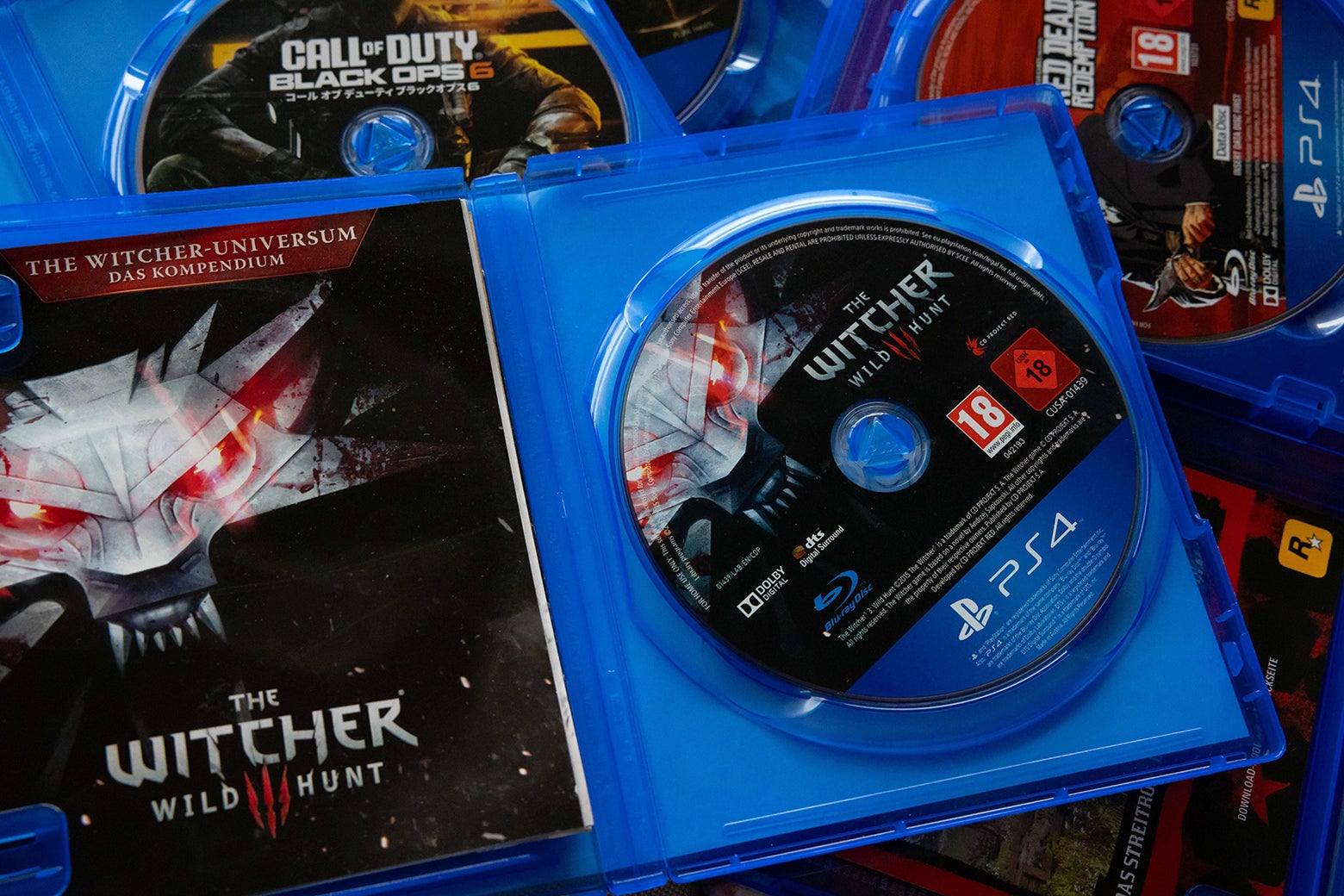
Let’s be real though, technically software has always lived and died on licensing instead of ownership.
I remember software in the 90s having limits on how many computers you could use an application on (however rarely enforced), and making backup copies of software that you owned (like copying a CD for backup purposes) was a hard fought right when the DMCA was being implemented. But even the backup only helped so much because especially in the last 20 years tech has grown at lightning speed since the introduction of the iPhone in 2007. A CD backup of Office 1999 isn’t really helpful in 2026 anyway.
I’m not arguing this is how it should be. I’m just clarifying that technically this is how it has always been. We’ve never had full rights to do whatever we want with the software we buy. It’s why Free (as in speech, not as in beer) Open Source Software is so important, and why open hardware is so important by extension.
The same companies that rose to dominance using an environment with weak regulation and enforcement while also maintaining that hacker attitude of “routing around bad legislation” have now been using their dominance to make an environment of tight regulation and enforcement, now that they’re at the top. They have spent endless amounts of lobbying money to get this environment to benefit them where you’re locked in via hardware and software to the companies rules on how you use your hardware and software… because the software was never really ours, and now they’re leveraging that to make our hardware not ours either.
The only way out is through. FOSS.
I remember software in the '90s having “limited licenses,” but operating on the honor system. Because you could just install it on as many computers as you wanted and there wasn’t really a way for companies to stop you.
It wasn’t until the early 2000s when I started seeing licenses verified through the Internet and actually limiting their usage.
Hub, what a coincidence. That somehow started around the time the DMCA came to be and America made most countries world wide adopt a similar legislation to ban cracking drm…
Thanks for the clarification, I’m old and sometimes my memory is more fuzzy on those details. But yeah, it’s always been a license, and back then it felt more like ownership because of the honor system.