Not that it matters much since I think your math here checks out - but the framework desktop is all soldered memory, so no slots for memory needed. Likely some higher density chips used here than a 64GB DIMM stick. Point being, your estimate may still be optimistic!
Still don’t know why the company who prides itself on reparability and upgradibility even released a unit with unrepairable components, even given their latency justification.
It was a tradeoff between replaceable RAM or high throughput. For this device they felt the performance was more important than the ability to replace / upgrade RAM.


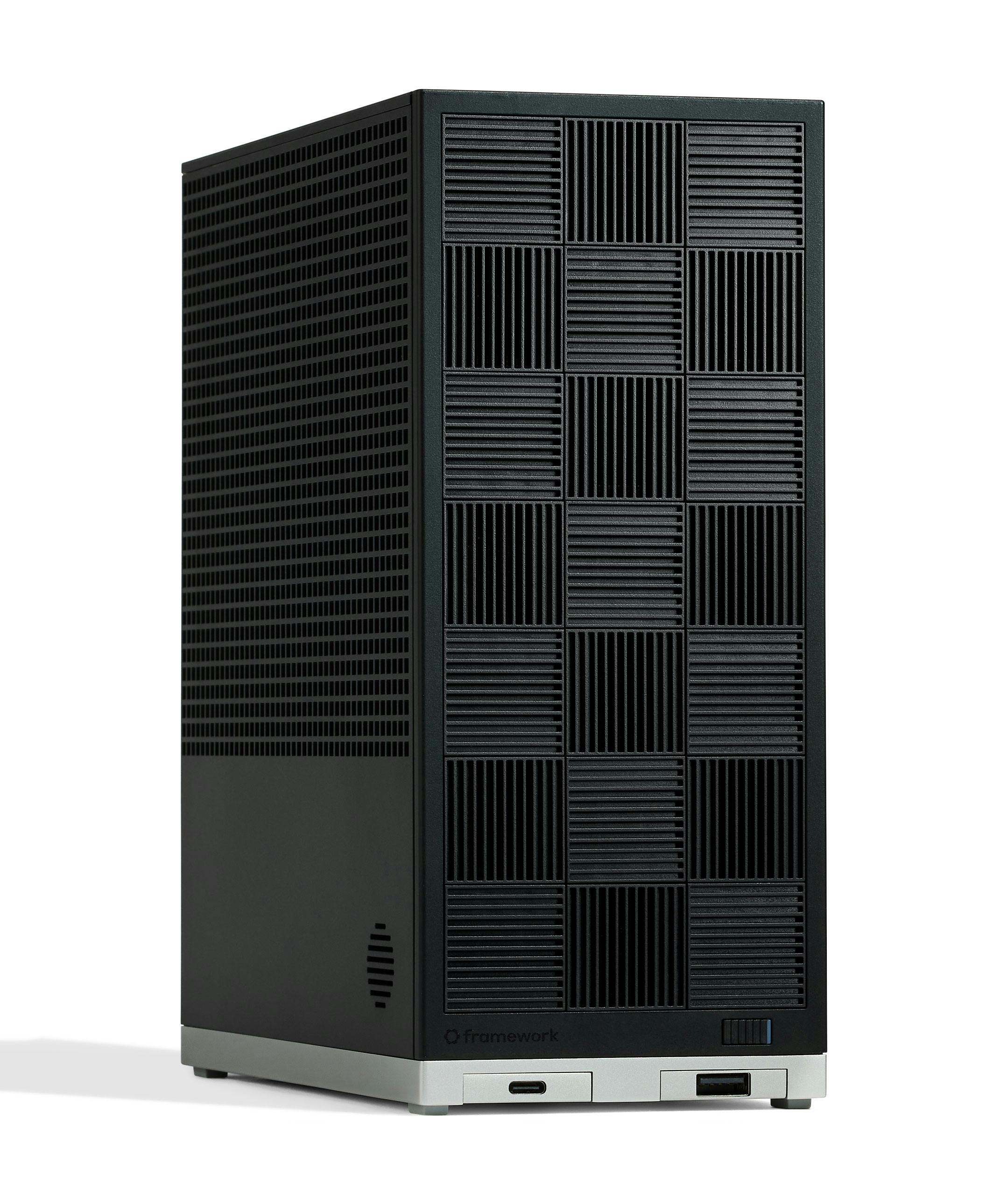
Not that it matters much since I think your math here checks out - but the framework desktop is all soldered memory, so no slots for memory needed. Likely some higher density chips used here than a 64GB DIMM stick. Point being, your estimate may still be optimistic!
Still don’t know why the company who prides itself on reparability and upgradibility even released a unit with unrepairable components, even given their latency justification.
The soldering decisions are confounding because of their mission.
It was a tradeoff between replaceable RAM or high throughput. For this device they felt the performance was more important than the ability to replace / upgrade RAM.
It was more AMD than Framework AFAIK. Soldered memory is basically a requirement to run the strix halo platform.