Sorry for being broad, I refer to completely unnecessary and unused programs as bloat. Like the AI component and cloud connectivity in Windows’ Notepad, or the Start menu’s adware and the fact that it is an inefficient React app, or the big one, Internet Explorer. Last I checked in the files (which was 6 years ago now) that was still installed alongside Edge. On Linux, the easy to install-and-start distros are full of potential bloat - I mean software that was never asked for, and may not be wanted, such as LibreOffice Suite, NVidia proprietary graphics drivers, or the big one - a Desktop Environment that mimics Windows.
But circling back to AI, the fact that it is a “link to a cloud service” doesn’t take away it’s pointlessness, and using their models is far, far worse than using a local or even decentralised one.
I would be interested in a few other points, were they not absolutely untrue. For one, Linux was literally created by Linus Torvalds in 1991 on a budget, non-ECC 386 desktop PC. And Windows, or any software, cannot “fix” bit flips – but turning it off and on again can.
As for any potential actual issues, I recommend trying Linux again - but a maintained distro; avoid the distros which are heavy on the preinstalled apps, because like you say, a lot of the frequently recommended ones are “just works” distros with every app one might need; and format a storage drive to a Linux friendly filesystem. I mean, Windows’ NTFS usually runs fine in Linux, but ext4 or ZFS puts the system in a more level playing field.
We don’t have internet explorer anymore and Edge is objectively the best browser by far with only Opera comparing in the feature set. Curated extension store, so MV2 with better security than mv3 providing full uBlock Origin. It has memory management for better performance on low spec PCs. Built in ad-blocking and tracker protection. And co-pilot integration is great. -You might call all that bloat, but native features > extensions if they’re good (they are).
I tried local AI, didn’t like it. Cloud link is fine, was easy to remove (and restore). Windows does a great job of introducing us to great new features without having to hear from others.
Windows is more resilient to bit flips. -Fact. It cannot correct them, but it can survive them better. I’ve written about this before as it has multiple mechanisms to help deal with them.
As for any potential actual issues, I recommend trying Linux again
Damn me for responding before reading your whole reply.


Sorry for being broad, I refer to completely unnecessary and unused programs as bloat. Like the AI component and cloud connectivity in Windows’ Notepad, or the Start menu’s adware and the fact that it is an inefficient React app, or the big one, Internet Explorer. Last I checked in the files (which was 6 years ago now) that was still installed alongside Edge. On Linux, the easy to install-and-start distros are full of potential bloat - I mean software that was never asked for, and may not be wanted, such as LibreOffice Suite, NVidia proprietary graphics drivers, or the big one - a Desktop Environment that mimics Windows.
But circling back to AI, the fact that it is a “link to a cloud service” doesn’t take away it’s pointlessness, and using their models is far, far worse than using a local or even decentralised one.
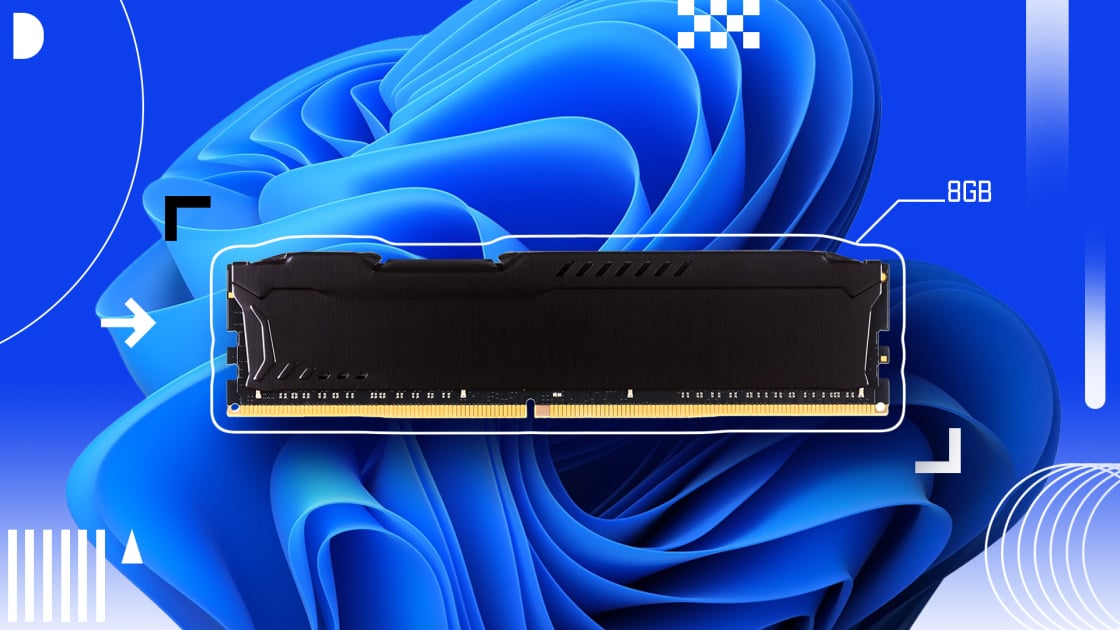
I would be interested in a few other points, were they not absolutely untrue. For one, Linux was literally created by Linus Torvalds in 1991 on a budget, non-ECC 386 desktop PC. And Windows, or any software, cannot “fix” bit flips – but turning it off and on again can.
As for any potential actual issues, I recommend trying Linux again - but a maintained distro; avoid the distros which are heavy on the preinstalled apps, because like you say, a lot of the frequently recommended ones are “just works” distros with every app one might need; and format a storage drive to a Linux friendly filesystem. I mean, Windows’ NTFS usually runs fine in Linux, but ext4 or ZFS puts the system in a more level playing field.
We don’t have internet explorer anymore and Edge is objectively the best browser by far with only Opera comparing in the feature set. Curated extension store, so MV2 with better security than mv3 providing full uBlock Origin. It has memory management for better performance on low spec PCs. Built in ad-blocking and tracker protection. And co-pilot integration is great. -You might call all that bloat, but native features > extensions if they’re good (they are).
I tried local AI, didn’t like it. Cloud link is fine, was easy to remove (and restore). Windows does a great job of introducing us to great new features without having to hear from others.
Windows is more resilient to bit flips. -Fact. It cannot correct them, but it can survive them better. I’ve written about this before as it has multiple mechanisms to help deal with them.
Damn me for responding before reading your whole reply.