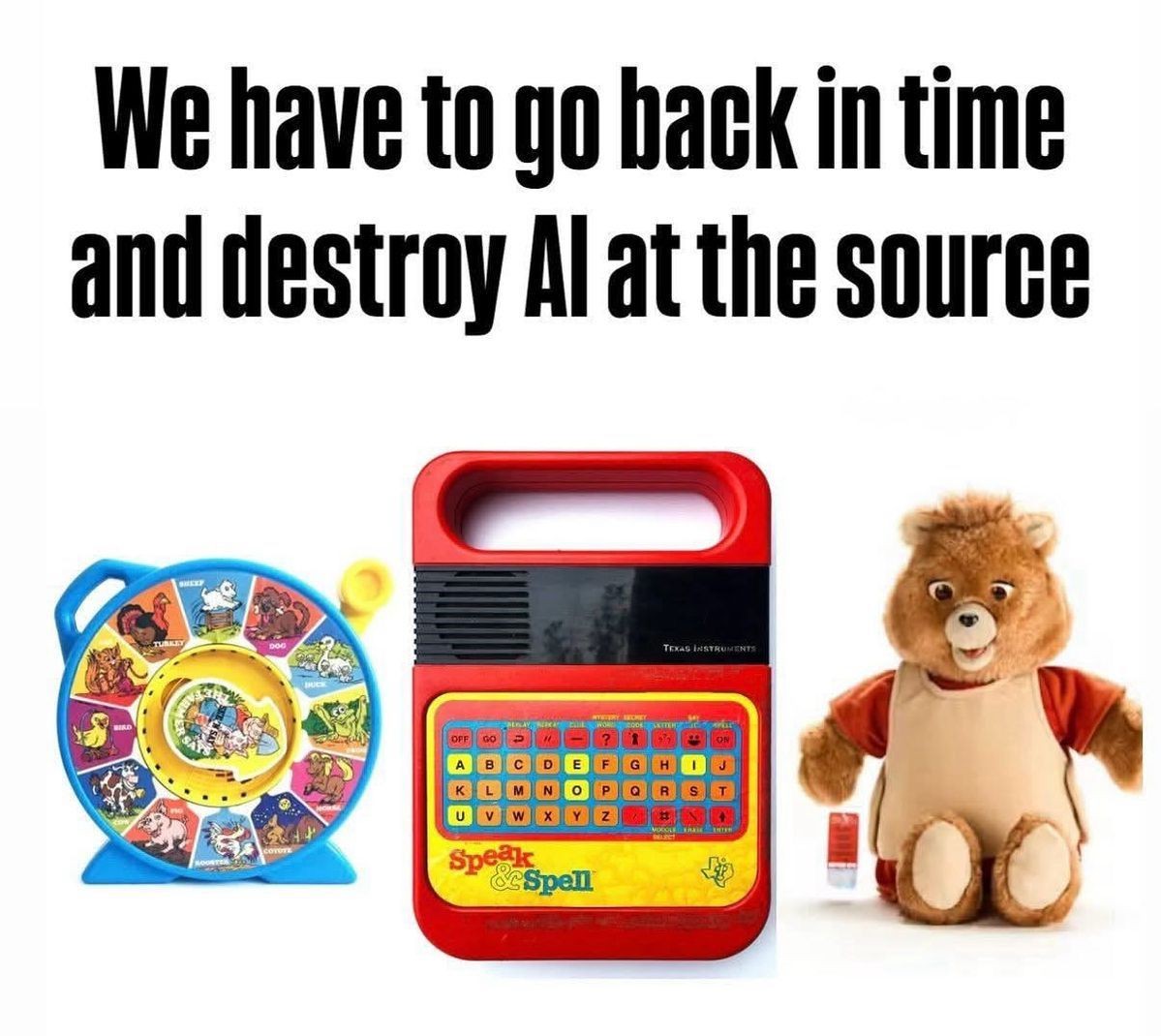
The Picard Maneuver@piefed.world to memes@lemmy.worldEnglish · 2 days agoWhere it all beganmedia.piefed.worldimagemessage-square50fedilinkarrow-up1437
arrow-up1437imageWhere it all beganmedia.piefed.worldThe Picard Maneuver@piefed.world to memes@lemmy.worldEnglish · 2 days agomessage-square50fedilink
minus-squarebss03@infosec.publinkfedilinkEnglisharrow-up2·2 days agoIIRC, the 2600 didn’t have a graphics processor. So, you had to “chase the ray” with CPU instructions, which made for some interesting limitations.
minus-squareDefault Username@lemmy.dbzer0.comlinkfedilinkEnglisharrow-up4·2 days agoIt has the TIA, which is as close to a picture processor (and also audio synthesizer) as you can get, but due to the 128 bytes of RAM, there was not enough RAM to form a framebuffer, hence the need to race the beam.
minus-squarebss03@infosec.publinkfedilinkEnglisharrow-up2·2 days agoThanks for the clarification. I was too young to program the 2600. I started programming on PC-compatible.

IIRC, the 2600 didn’t have a graphics processor. So, you had to “chase the ray” with CPU instructions, which made for some interesting limitations.
It has the TIA, which is as close to a picture processor (and also audio synthesizer) as you can get, but due to the 128 bytes of RAM, there was not enough RAM to form a framebuffer, hence the need to race the beam.
Thanks for the clarification. I was too young to program the 2600. I started programming on PC-compatible.