

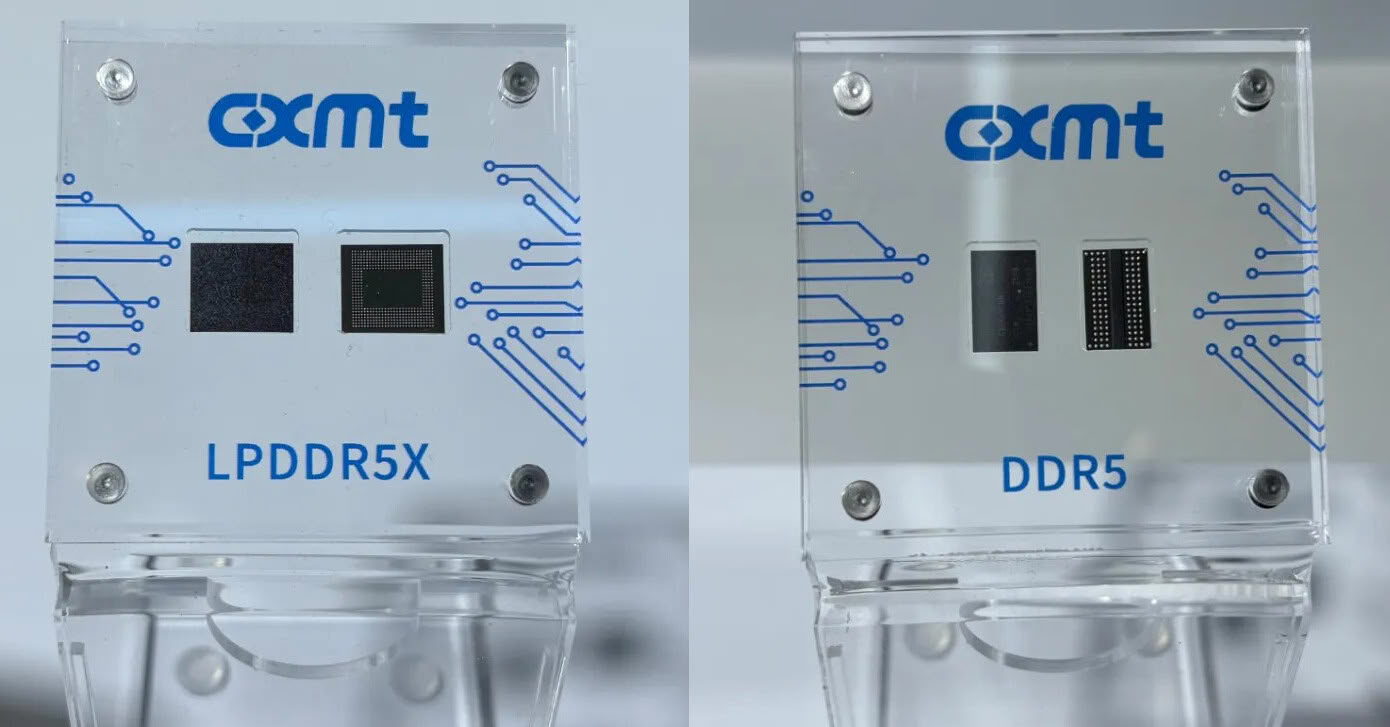
A particularly surprising discovery is that CXMT is constructing its cleanrooms—where the actual silicon is produced—in just around 12 months, whereas the rest of the DRAM manufacturing industry typically takes 21-24 months, nearly a full year longer.
Finally, the report notes that the Chinese government is encouraging CXMT to transfer its DRAM technology IP to other Chinese DRAM manufacturers such as JHICC, Swaysure, and YTMC’s subsidiary XMC. This initiative aims to alleviate memory shortages domestically before CAMT-designed DRAM enters other markets, such as the EU and possibly even the U.S.
In memory? There’s been a ton of improvement, even if most of the coolest stuff isn’t making it into DIMMs that are installed in user laptops/desktops.
Advanced packaging technology has allowed chip manufacturers to put different silicon dies together with increasingly high performance (high bandwidth, low latency) connections in the same package, including with some three dimensional stacking. That way they can mix and match different silicon dies for greater cost effectiveness, yield, performance, etc.
This also means that in-package memory is now the standard in certain chips. Apple’s M-series silicon has its memory packaged right into the CPU/GPU package, as a system-in-a-package, so that the connection between the logic and memory is comparatively much higher performance, several times higher bandwidth than desktops or laptops that don’t follow that kind of architecture.
Similarly, in data centers, the AI boom has caused all the memory manufacturers to switch their production lines to high bandwidth memory, where they vertically stack a bunch of DRAM chips on each other, with ultra-fast, high bandwidth connections, so that they can shove terabytes of memory into these data center servers. These recent generations have been improving speed and bandwidth in ways that make consumer level DDR5 RAM look like child’s play.
So they’re improving things. Just not in ways that really show up in DIMM sticks.
Also DIMM sticks have gotten faster in the last decade.
Like, significantly faster than 2016 RAM.