

- cross-posted to:
- canada@lemmy.ca
- cross-posted to:
- canada@lemmy.ca
NOTE: See the comment section for discussion on these devices. They might not actually do anything
cross-posted from: https://lemmy.ca/post/69184297
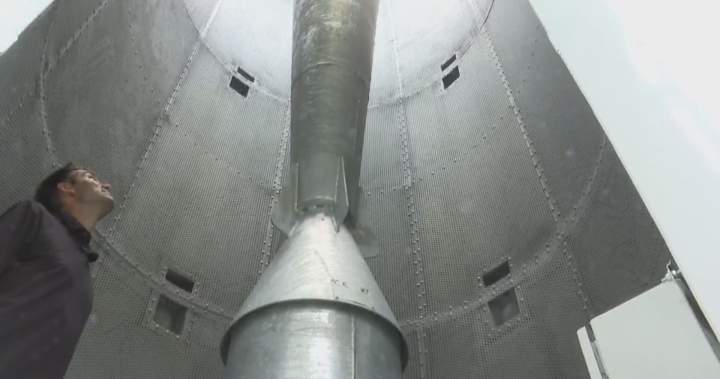
A “anti-hail cannon” could be a Canadian first, as a Quebec apple orchard says the device could protect its crops from icy weather.
The cannon has been deployed at Verger des Bois-Francs southeast of Montreal by Maxime Brie. Hail has long been an agriculture producer nightmare as it can bring significant crop damage.
Anti-hail cannons aren’t a new invention for farming, having originated in Europe but are now manufactured in various countries such as New Zealand and Germany.
The Spanish-made one used by Brie is one that he claims has never been used in Canada before. The device cost them $160,000.
They work by causing controlled explosions near the base that then blast shockwaves into the air, which turn hail into harmless water.
By being connected to a weather station run by SPAG, with meteorologists monitoring conditions at all times from a facility in Brazil, it allows the device to better respond to storms.
Thanks, I didn’t know about them before today and this is probably why
https://en.wikipedia.org/wiki/Hail_cannon