Genuine question, why would I need a terminal multiplexer when I am using a tiling window manager? I saw a lot of people using them in normal desktop environments which makes sense but why in a tiling window manager?
Universal (especially Tmux). It doesnt. Matter where you’re doing it. If it has Tmux, you’re in a familiar environment. Different wm/DE/emulator? No problem
multiplexers have additional capabilities. For example when you create a split or new tab, it’s in the same directory that you were already working in. This is super important. You can also have different sessions for different projects/tasks and switch between them. This is also super important (Wezterm has “workspaces”).
you can close the terminal emulator and your sessions will still be there.
so overall, a tiling wm isn’t really a replacement for multiplexers if you’re doing heavy tasks like programming
And the only reason I use wezterm is because it’s the only terminal that supports BiDi/RTL text somewhat. Otherwise, Tmux is the best


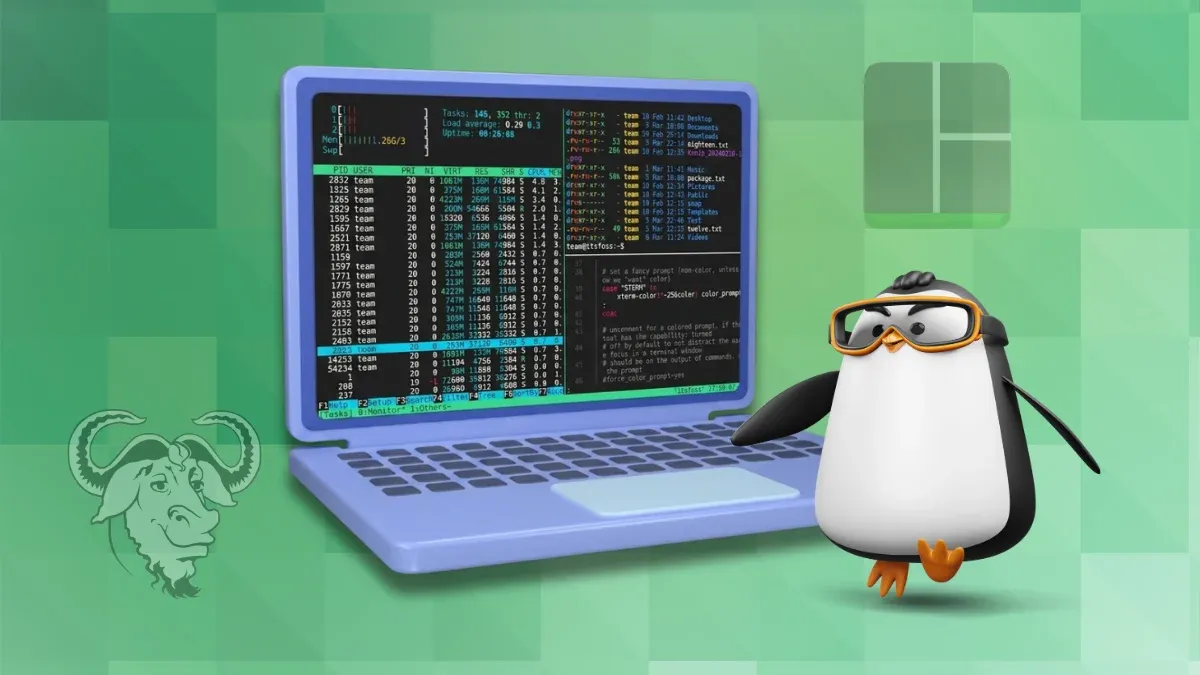
Genuine question, why would I need a terminal multiplexer when I am using a tiling window manager? I saw a lot of people using them in normal desktop environments which makes sense but why in a tiling window manager?
Because sometimes (or always) you’re using the terminal multiplexer on a remote machine over ssh with no graphical session
I use i3 and still use Tmux and wezterm.
The benefits are:
so overall, a tiling wm isn’t really a replacement for multiplexers if you’re doing heavy tasks like programming
And the only reason I use wezterm is because it’s the only terminal that supports BiDi/RTL text somewhat. Otherwise, Tmux is the best
Multiplexers like tmux offer additional features beyond tiling, like the ability to reopen sessions after closing the original terminal window
It’s great if you switch systems or lose connection during your work. I also use it detached so I can run programs on headless systems.