You’re making up ad hoc nonsense out of thin air. Literally nothing you’re saying is true, and you can’t will it into existence just because it’s what you want to be true or because it sounds plausible to you. You’ve cited absolutely nothing to substantiate your point, and the onus is on you because you’re the one saying it’s against the law.
Incidentally, you haven’t even mentioned a state; you’re just saying this is true in all two-party consent states, which is fucking wild and shows you have not the faintest idea what you’re talking about.
Looking closer it appears that this would probably fall under the stored communications act, since it relates to electronic messages not intercepted real time and no one has attempted to prove texts would fall under eavesdropping/wiretapping laws, presumably because they are covered under the SCA.
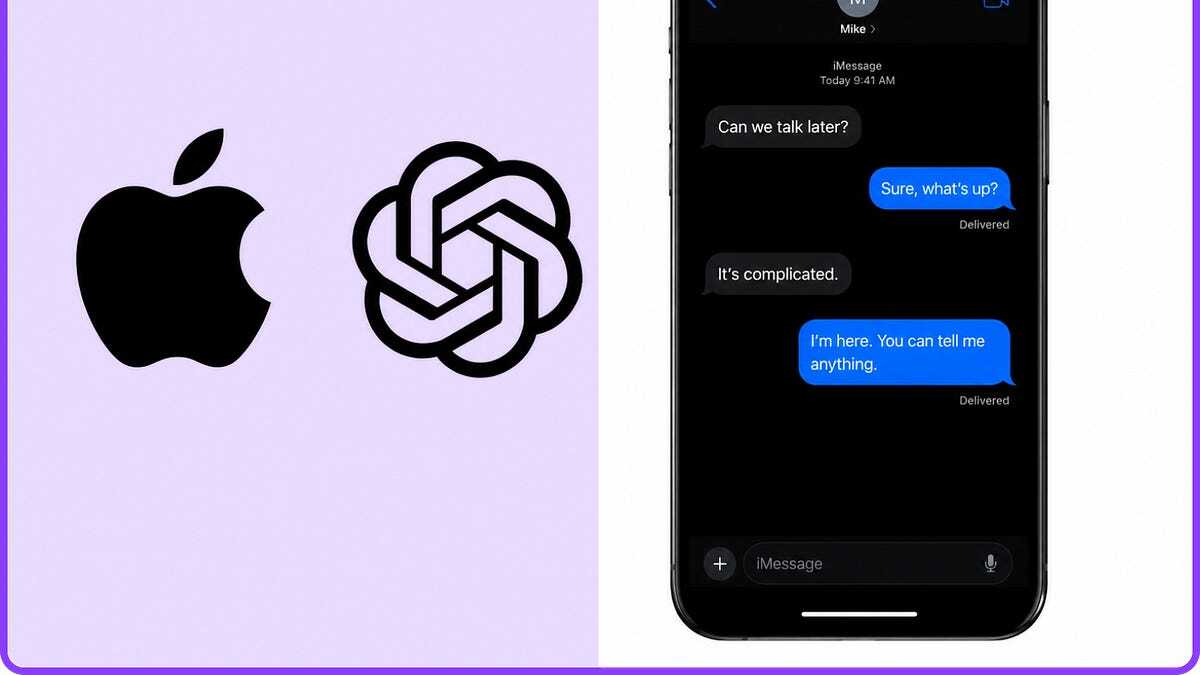
That being said, under 18 USC 2702 “Voluntary disclosure of customer communications or records” I think there’s actually a stronger argument under that law. You would either have to argue that ChatGPT is a provider or that they are an intended recipient, which goes back to my original point about all parties consenting to ChatGPT obtaining the content of their messages.


You’re making up ad hoc nonsense out of thin air. Literally nothing you’re saying is true, and you can’t will it into existence just because it’s what you want to be true or because it sounds plausible to you. You’ve cited absolutely nothing to substantiate your point, and the onus is on you because you’re the one saying it’s against the law.
Incidentally, you haven’t even mentioned a state; you’re just saying this is true in all two-party consent states, which is fucking wild and shows you have not the faintest idea what you’re talking about.
Looking closer it appears that this would probably fall under the stored communications act, since it relates to electronic messages not intercepted real time and no one has attempted to prove texts would fall under eavesdropping/wiretapping laws, presumably because they are covered under the SCA.
That being said, under 18 USC 2702 “Voluntary disclosure of customer communications or records” I think there’s actually a stronger argument under that law. You would either have to argue that ChatGPT is a provider or that they are an intended recipient, which goes back to my original point about all parties consenting to ChatGPT obtaining the content of their messages.