It’s wild to me that ‘enthusiast’ devices in 2026 use 4gb of ram and 4xA53 or 6xA55 processors. Meanwhile similarly priced phones have 8gb ram, 2xA78+6xA55 processors, high refresh rate displays and all the other things a phone might have that this doesn’t.
I know that most big soc manufacturers don’t have open firmwares, but this isn’t even using a moderately powerful Rockchip soc.
Such a weird thing that Apple keeps putting cutting edge top end processors in their simplest devices used by non-techy people while tech gadgets like this have old af low end processors
Other phone manufacturers get monies from phones other than the selling price (ad revenue, money from eg Facebook for preinstalling their app, revenue from their on-phone un-uninstallable stores, etc). Like printers or gaming consoles, the hardware is subsidised.
(And ofc scale, that’s a huge hurdle on it’s own.)
It’s not the libre hardware tax that bothers me, it’s that there’s no smartphone with specs this low released since 2022. What I think about when I hear ‘handheld computer’ isn’t something weaker than a midrange phone from 2016.
With these specs the company needs to explain why they aren’t offering more powerful options imo.
8GB of RAM is also significantly more than the 2 or 3 a decade ago in top-of-the-line phones.
Anyways, I doubt use cases for these wound use much CPU, imho if it’s at like a Raspberry 5 level it’s usable (does it also not have a good GPU?), and I’m glad it’s not built around ESP32.
With these specs the company needs to explain why they aren’t offering more powerful options imo.
Market prices, and all the Qualcomm chips are pre-hogged (and closed sauce). Actually there might not be many more powerful mobile chips out there.
Oh didn’t catch that there was amemory upgrade, that does make it better. The 4 core one should be 25-30% of 2016 flagship phone performance and 12% of rpi 5.
The 4 core part is 30-35% of sd 820 and 20-25% of the rpi 5 equivalent. The 6 core is 40% of sd 820 and 30% of rpi5 in single thread and 70% of sd 820 and 45% or rpi in multi thread.
Difference in scale. Very common in new electronics.
If you produce <10k units per year, you are in the “fuck you” category of customers where most companies won’t even give you the time of day, much less data sheets under NDAs, design tools, or actual access to their chips at somewhat reasonable prices. Chips that are 5 years old are often fully open. This is especially egregious in the wearables space… (Not saying it is for this phone, per se)
Also older chips use RAM that can actually still be bought because smartphone companies + AI bullshit haven’t bought all of the stock for the next 2 years.


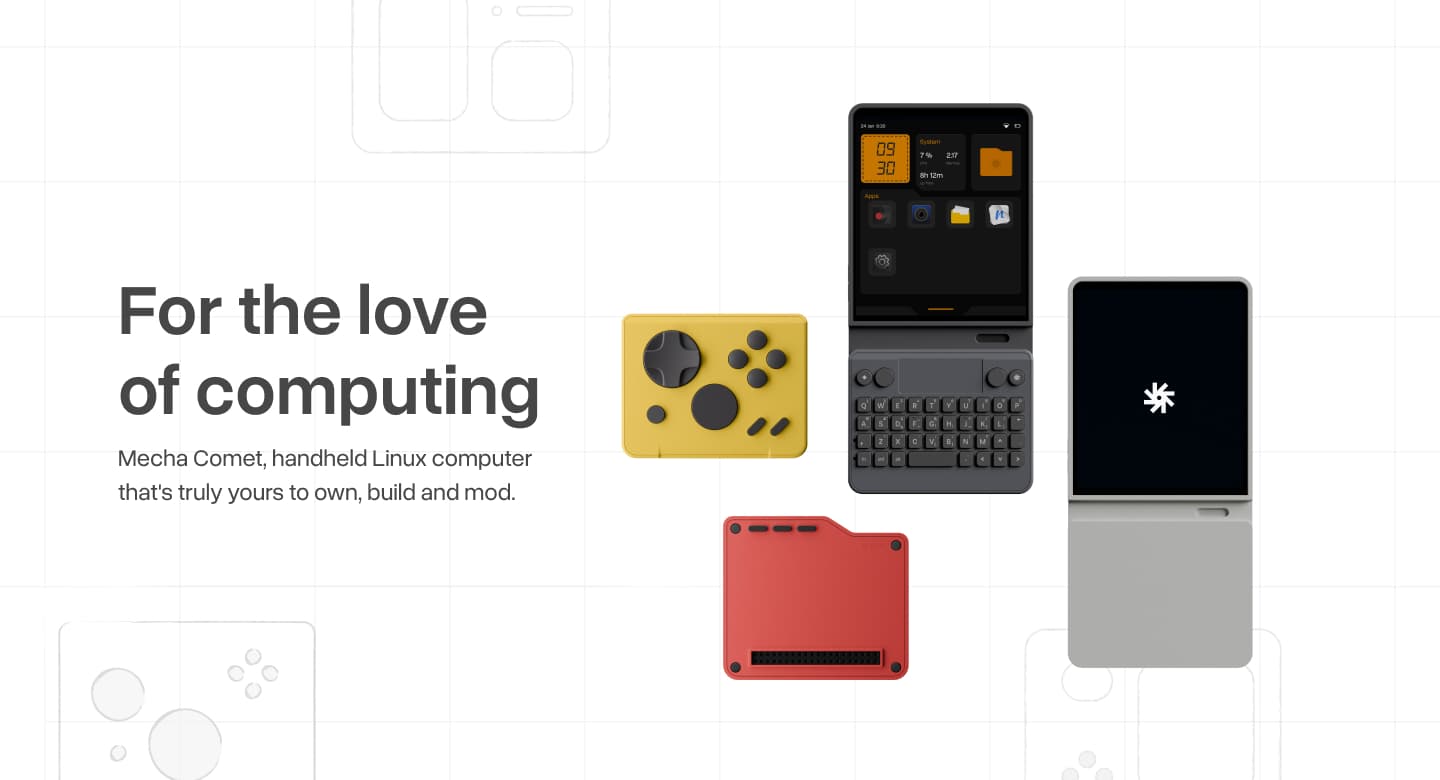
It’s wild to me that ‘enthusiast’ devices in 2026 use 4gb of ram and 4xA53 or 6xA55 processors. Meanwhile similarly priced phones have 8gb ram, 2xA78+6xA55 processors, high refresh rate displays and all the other things a phone might have that this doesn’t.
I know that most big soc manufacturers don’t have open firmwares, but this isn’t even using a moderately powerful Rockchip soc.
Such a weird thing that Apple keeps putting cutting edge top end processors in their simplest devices used by non-techy people while tech gadgets like this have old af low end processors
Other phone manufacturers get monies from phones other than the selling price (ad revenue, money from eg Facebook for preinstalling their app, revenue from their on-phone un-uninstallable stores, etc). Like printers or gaming consoles, the hardware is subsidised.
(And ofc scale, that’s a huge hurdle on it’s own.)
The price is kinda ok on this one.
It’s not the libre hardware tax that bothers me, it’s that there’s no smartphone with specs this low released since 2022. What I think about when I hear ‘handheld computer’ isn’t something weaker than a midrange phone from 2016.
With these specs the company needs to explain why they aren’t offering more powerful options imo.
Is it that slower than the top 8-cores from 2016?
8GB of RAM is also significantly more than the 2 or 3 a decade ago in top-of-the-line phones.
Anyways, I doubt use cases for these wound use much CPU, imho if it’s at like a Raspberry 5 level it’s usable (does it also not have a good GPU?), and I’m glad it’s not built around ESP32.
Market prices, and all the Qualcomm chips are pre-hogged (and closed sauce). Actually there might not be many more powerful mobile chips out there.
Literally libre hardware tax ;).
Oh didn’t catch that there was amemory upgrade, that does make it better. The 4 core one should be 25-30% of 2016 flagship phone performance and 12% of rpi 5.
I wonder if low powered x86 would be viable
Where did you get those stats from?
I only found this, lol.
Vs phones from geekbench scores of sd 410 vs sd 820, vs rpi from this page.
Looking at them again it seems the a53 is clocked way below this device in both, my bad.
Here’s the correct comparson, vs sd 820 and sd 653.
The 4 core part is 30-35% of sd 820 and 20-25% of the rpi 5 equivalent. The 6 core is 40% of sd 820 and 30% of rpi5 in single thread and 70% of sd 820 and 45% or rpi in multi thread.
Thx!
Difference in scale. Very common in new electronics.
If you produce <10k units per year, you are in the “fuck you” category of customers where most companies won’t even give you the time of day, much less data sheets under NDAs, design tools, or actual access to their chips at somewhat reasonable prices. Chips that are 5 years old are often fully open. This is especially egregious in the wearables space… (Not saying it is for this phone, per se)
Also older chips use RAM that can actually still be bought because smartphone companies + AI bullshit haven’t bought all of the stock for the next 2 years.
I don’t think it’s strange. In no field the experts want bleeding edge machines. They do it with the most efficient