

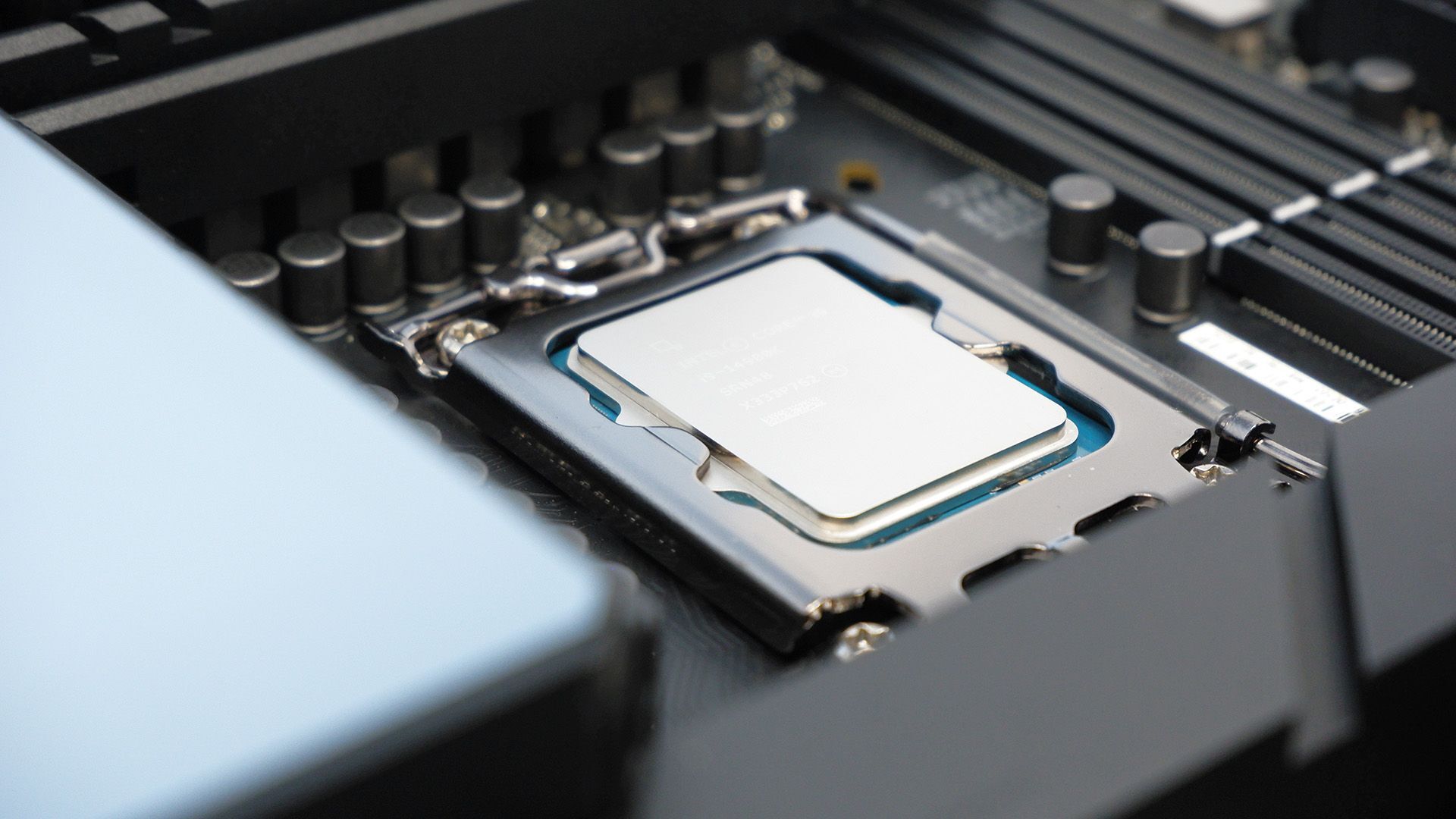
So you mean to tell me they had the technology the whole time to make upgraded modular chips and sell them for pre-existing computer architecture but chose not to because they knew people would pay for the shiny new toys.
There’s a chip crisis and SUDDENLY!!! We’re all able to use new technologies on old computer architectures…
Call it supply and demand but I think that’s fucked up nm which way you look at it.
I read that and then immediately thought to myself, so they just chose not to release upgrades for old architectures and speed released a shit load of new hardware they knew people would pay OTA for.
This whole time they could’ve actually been making old computers better than they are and make it so the consumer didn’t have to spend a fuck load on upgrades but waited till a chip shortage to do it…
For…40 years? Demand for older consumer CPUs has dropped to zero over a few years because the new ones are demonstrably more capable and basically the same price. That’s the whole idea behind Moore’s Law. There are niche applications where that hasn’t been true that were mostly filled by recycled hardware or single board computers. But in general people want the more capable device.
There’s a whole conversation to be had about software bloat that that chain enabled but planned obsolescence it ain’t.
I think they’re talking about planned obsolescence for the mobo / socket not the CPU. Yeah most people want the latest CPU but they don’t necessarily want a mobo upgrade too, but Intel will release a new socket so that you have to get the new mobo.
If they just released an updated CPU on an old socket plenty of people would buy that but Intel chose not too to juice mobo sales.
I think a really good ‘for instance’ of what we are talking about is the Pentium Overdrive released in the early-mid 90s. It was a Pentium class processor designed to fit the 486 (previous generation, also where the Pent part of Pentium came from) socket. They have never not been able to backport new instruction sets they just don’t and now we have even more evidence of that.