Nuclear waste can mostly be reused and what remaiin can just be sealed off, also, they are experimentig with thorium rn which is a LOT more safe; you also ignore that solar energy uses a lot of terrain
And also the mining and manufacturing and disposal/recycling for the panels. They don’t just pop into existence at the supply warehouse. Any full analysis should include the environmental entire manufacturing chain, regardless of whether it’s solar, wind, or nuclear.
Should also included the conseguences of installing them: will it disrupt any habitat? Will the color of the materials/object affect the temperature of the zone? Etc etc


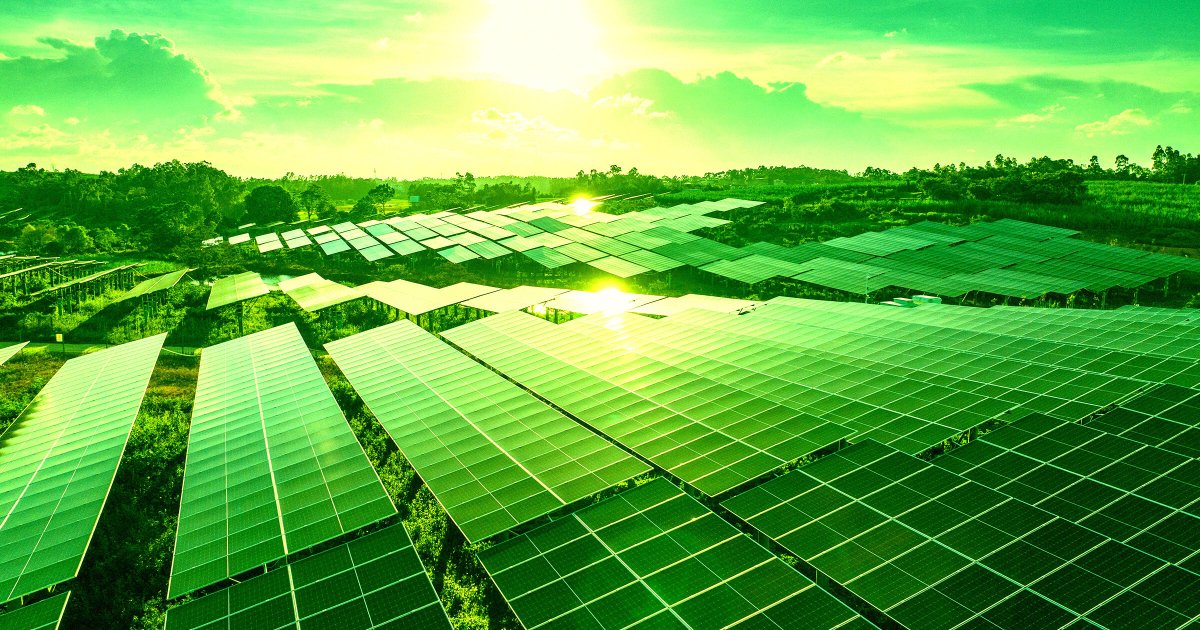
Nuclear waste can mostly be reused and what remaiin can just be sealed off, also, they are experimentig with thorium rn which is a LOT more safe; you also ignore that solar energy uses a lot of terrain
And also the mining and manufacturing and disposal/recycling for the panels. They don’t just pop into existence at the supply warehouse. Any full analysis should include the environmental entire manufacturing chain, regardless of whether it’s solar, wind, or nuclear.
Should also included the conseguences of installing them: will it disrupt any habitat? Will the color of the materials/object affect the temperature of the zone? Etc etc
For the last 50 years.
There’s a reason why Texas bought 8 CANDU reactors.