Most usable energy on Earth comes from fusion of hydrogen into helium in the Sun, creating radiation that hits the Earth. That’s solar energy, of course, either thermal or photovoltaics, but also the wind caused by uneven warming, the evaporation and condensation of water that flows downhill for hydro power, the chemical bonds formed by photosynthesis making renewable biofuels or older fossil fuels.
Some portion of energy on Earth is gravitational potential energy and the kinetic energy of stuff moving around settling into a lower energy state: the moon dragging the oceans around, the heat of the Earth’s core spinning and tectonic plates moving from the momentum of all the dust that got pulled into what is now a planet. Geothermal and tidal energy mostly come from these planet scale phenomena.
Some portion of energy is the release of energy stored in nuclei formed from some past supernova, of less stable isotopes of atoms heavier than iron. Some portion of geothermal is traceable to this kind of nuclear decay, and obviously we can isolate and enrich those nuclear elements into fission fuel for nuclear power, as well.
Hard to categorize the second and third categories into solar power, though. Yeah, it comes from astronomical phenomena tracing back to how our solar system and planets were formed, from the materials they’re made out of, and found their way into their current shapes and orbits, but is that solar power?


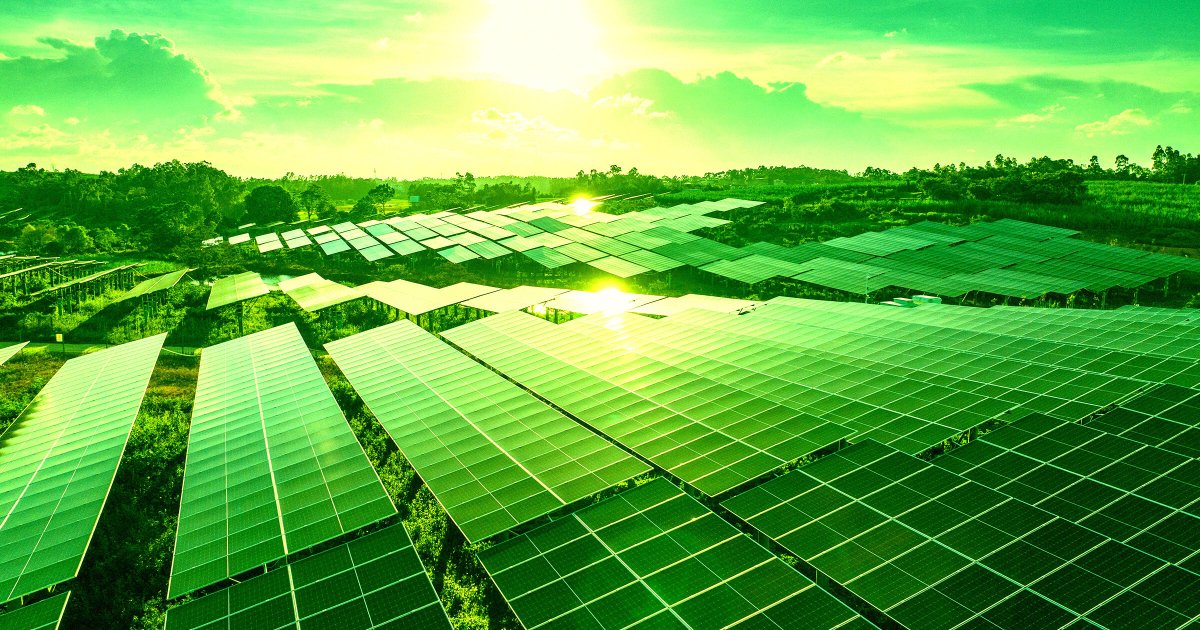
Most usable energy on Earth comes from fusion of hydrogen into helium in the Sun, creating radiation that hits the Earth. That’s solar energy, of course, either thermal or photovoltaics, but also the wind caused by uneven warming, the evaporation and condensation of water that flows downhill for hydro power, the chemical bonds formed by photosynthesis making renewable biofuels or older fossil fuels.
Some portion of energy on Earth is gravitational potential energy and the kinetic energy of stuff moving around settling into a lower energy state: the moon dragging the oceans around, the heat of the Earth’s core spinning and tectonic plates moving from the momentum of all the dust that got pulled into what is now a planet. Geothermal and tidal energy mostly come from these planet scale phenomena.
Some portion of energy is the release of energy stored in nuclei formed from some past supernova, of less stable isotopes of atoms heavier than iron. Some portion of geothermal is traceable to this kind of nuclear decay, and obviously we can isolate and enrich those nuclear elements into fission fuel for nuclear power, as well.
Hard to categorize the second and third categories into solar power, though. Yeah, it comes from astronomical phenomena tracing back to how our solar system and planets were formed, from the materials they’re made out of, and found their way into their current shapes and orbits, but is that solar power?