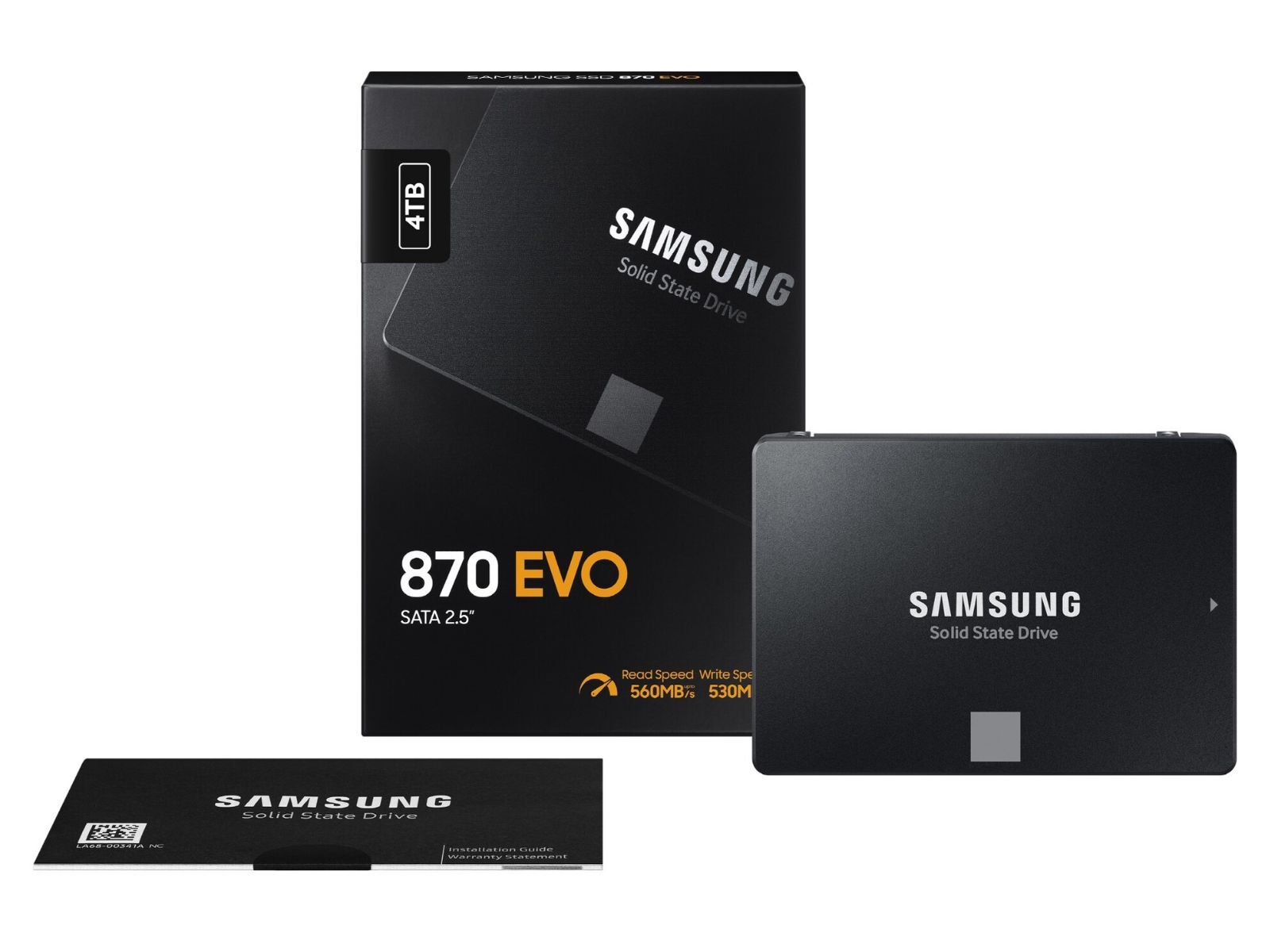
Samsung is reportedly preparing to wind down its SATA SSD business, and a notable hardware leaker warns the move could have broader implications for consumer storage pricing than Micron’s decision to end its Crucial RAM lineup. The report suggests reduced supply and short-term price pressure may follow as the market adjusts. Update: Samsung refutes the SATA SSD lineup demise rumor.


At the same time, just expanding a device with new parts is a far cheaper way to get more performance than buying a new device - after all, whatever price problem there is with some kinds of parts, it will be the same whether they’re sold as lose parts or as part of a device.
Poor working class young me in a poorer European country after getting his first PC quickly found out that to get a more powerful machine he had to start upgrading that machine because there wasn’t money to buy a whole new one every couple of years.
My point is that this might very well yield the very opposite effect of what you describ: buying whole devices to replace older models becomes too expensive so people favor more expandable devices - because those can have their performance improved with just some new parts, which are cheaper than getting a whole new device - and the market just responds to that.
I think most people in countries which until recently were wealthier, such as the US, are far too used to the mindset of “throw the old one out and but a new one” which is not at all the mindset of people in places were resources are constrained or require a lot bigger fraction of people’s income to buy (certainly my experience living in the UK after having grown up in a country which was much poorer left me with that impression: the Brits just felt incredibly wasteful to somebody who like me grew up in a situation were “gettting a new iPhone every 2 years” was the kind of think only a rich person or a stupid person would do).
didn’t actually read the article, but the Micron/Crucial announcement was about leaving the DIY direct market, as opposed to not keeping supply deals with OEMs. Though new contracts with them will be higher.