

- cross-posted to:
- hackaday@ibbit.at
- cross-posted to:
- hackaday@ibbit.at
Makers beware!
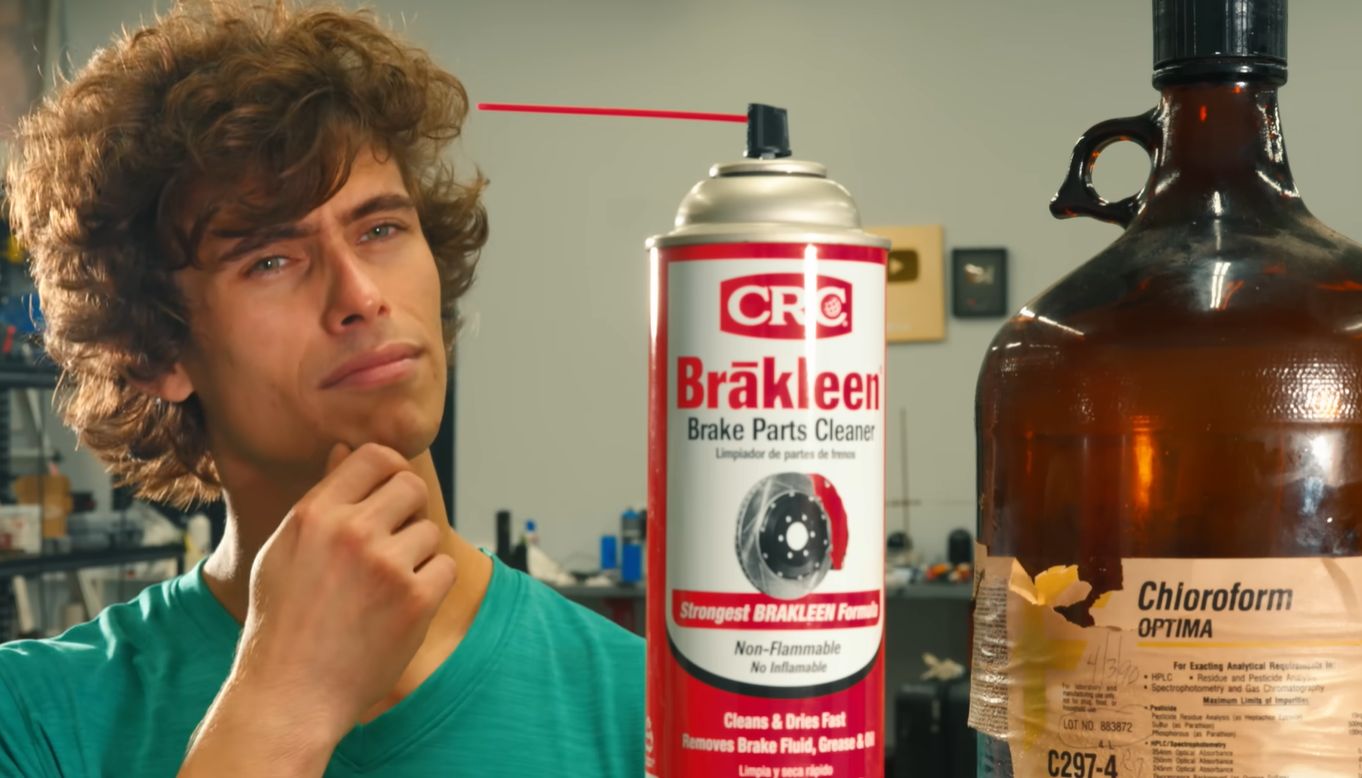
Much like with common household chemicals used for cleaning, such as bleach and ammonia, improper use of these can produce e.g. chlorine gas, which while harmful is generally not lethal. Things get much more serious with brake cleaner, containing tetrachloroethylene. As explained in the video, getting brake cleaner on a rusty part to clean it and then exposing it to the intensive energies of the welding process suffices to create phosgene.
This definitely reeks of intentional stupidity and bernard and styro are both part of the group of maker youtubers who are openly doing whatever it takes for views.
That said, this one is at least somewhat plausible. Someone cleans a part with a small amount and a scrub and figures that they’ll just burn it off because they are lazy and don’t care about residue ruining the weld. Whether that will be enough to be meaningfully harmful is an open question
But I can’t think of any situation where you would need enough solvent to remove the rust AND not wipe a part down because it has been soaking for an hour before you took the wire brush to it. At which point this is mostly in the same realm of “only weld in well ventilated places and consider a respirator under that mask” which everyone should do but nobody does.
Solvent does not remove rust.
You degrease the part, then manually remove the rust, then clean with the solvent just before welding. Acetone or alcohol are better cleaners for weld prep than brake cleaner. These solvents are volatile enough that most of the time, the part is dry and not-flammable by the time you get your gear on and are ready to weld.
The really damaging thing here is not the fire but if you use chlorinated brake cleaner when welding it created concentrated chlorine gas and will kill you.
Welding produces a ton of nasty fumes and you should ALWAYS be wearing a welding rated respirator and using a fume extractor when welding, especially with flux core, galvanized, or stainless unless you want extra nasty cancer.
It’s not very likely to occur but if you watched the video you’d see that this was a real case that occurred.
There are isolated cases of EVERYTHING. People will do anything with everything and that is why OSHA et al are such complicated messes.
Its the difference between possible and plausible.
OK but the point of ChubbyEmu videos isn’t “this thing is GOING TO KILL YOU,” it’s “look at this weird thing that happened and the toxicology behind it,.” In fact, he goes out of his way to reassure people that these things aren’t likely to happen in the videos where viewers might get anxious, like the cases involving leftovers. There’s been a couple videos where he’s straight-up said “this was a freak accident.”
More generally, the fact that the events aren’t likely is part of what can make case studies valuable; i.e. “this sequence of events is highly unlikely to happen again in this specific way, so let’s examine it closely and see what we can learn from it.”