Maybe there’s subtext I’m missing, but this doesn’t seem that unreasonable.
Some points I gathered:
It doesn’t apply to people with mental health issues.
They’re given a warning if they don’t try to engage before they are asked to leave
After 90 days out of the shelter they’re eligible to reenter another one.
Seems reasonable to me because:
Some people do need the threat of consequences before making this large lifestyle changes and will hopefully end up better off in the end. By giving a warning, they have the opportunity to make more of an effort before they are asked to leave.
If rotating out people who are not willing or able to engage you’re allowing people who are more likely to engage to have access to these resources that aren’t being used by the current residents.
I understand there are a lot of external factors causing homelessness, and we do need more shelter capacity but this seems like it would help more people in the interim.
“Unwilling to engage” is a really nice way to describe these folks. Society has given up on them and they hate it in return. Ask them. They are happy to explain it. They hate the fukin world, and have plentiful reasons for doing so. Really. Spend some time talking to these folks instead of theorizing. They are perfectly clear about the situation and how they feel.
Many (all) of these camps are in the middle of neighborhoods that would rather not host a colony of social dropouts that hate them. You know, the residents are concerned about their kids, etc. So it would be nice if they had some way of dialing down the amount of hate that concentrates at the shelter. Is this the correct way? Beats me, but it looks like they had to do something …


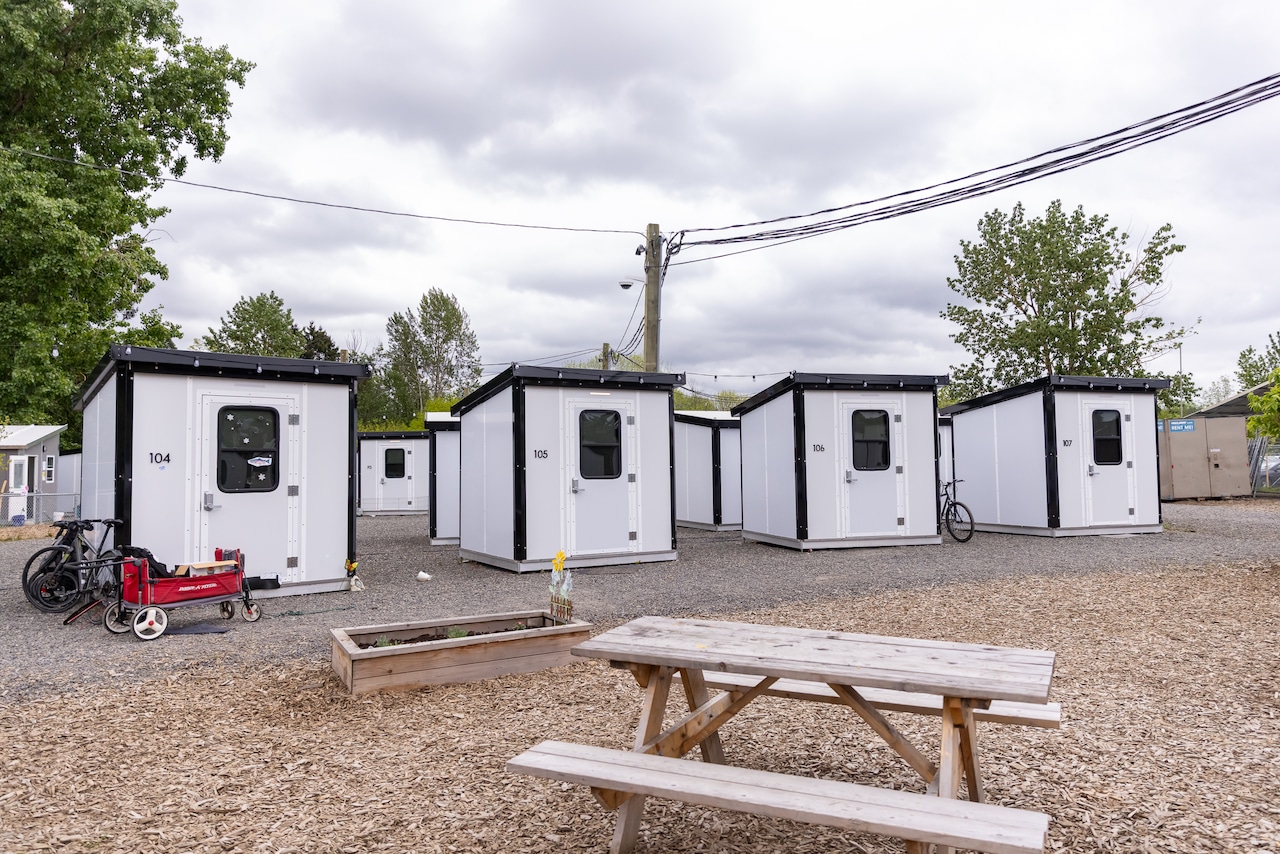
Maybe there’s subtext I’m missing, but this doesn’t seem that unreasonable.
Some points I gathered:
Seems reasonable to me because:
I understand there are a lot of external factors causing homelessness, and we do need more shelter capacity but this seems like it would help more people in the interim.
The whole thing sure sounds reasonable to me.
“Unwilling to engage” is a really nice way to describe these folks. Society has given up on them and they hate it in return. Ask them. They are happy to explain it. They hate the fukin world, and have plentiful reasons for doing so. Really. Spend some time talking to these folks instead of theorizing. They are perfectly clear about the situation and how they feel.
Many (all) of these camps are in the middle of neighborhoods that would rather not host a colony of social dropouts that hate them. You know, the residents are concerned about their kids, etc. So it would be nice if they had some way of dialing down the amount of hate that concentrates at the shelter. Is this the correct way? Beats me, but it looks like they had to do something …