And delayed payment on the ones it couldn’t deny. Farmers in particular just paid a bunch of claims once the state government started investigating them. Which shows they could have done so all along but were trying to wait out the homeowners and get them to settle for a smaller amount.
Last year, Francis Bischetti said he learned that the annual cost of the homeowners policy he buys from Farmers Insurance for his Pacific Palisades home was going to soar from $4,500 to $18,000 — an amount he could not possibly afford.
Neither could he get onto the California FAIR Plan, which provides fewer benefits, because he said he would have to cut down 10 trees around his roof line to lower the fire risk — something else the 55-year-old personal assistant found too costly to manage.
So he decided he would do what’s called “going bare” — not buying any coverage on his home in the community’s El Medio neighborhood. He figured if he watered his property year round, that might be protection enough given its location south of Sunset Boulevard.
So the insurer (accurately) predicts that the rate of fire across the entire area has become extremely high, and updates prices to reflect that. They’re doing what they probably should: predicting risk and passing that information through as price information.
The state will insure at a lower rate, but requires a lot of changes to the property to reduce fire risk to go anywhere near it. That’s reasonable (well, maybe not whatever specific numbers are involved, but providing the option of lower prices for a homeowner taking actions to mitigate that extreme fire risk).
But that mitigation itself isn’t free, and the homeowner is so living close to their financial limits that they can’t afford the mitigation. So they gamble: maybe a fire won’t happen. A fire does happen, and so now they can only really sell the property for the land value.
So, what went wrong there?
Well, I’d give two suggestions.
The insurer assessed risk correctly — its analysis was “this place is facing extreme risk of fire” and it passed that information on as price information…but it didn’t do so as early as it could have done. If the homeowner had known that they’d be facing $18k/year fire insurance some years earlier, maybe they wouldn’t have moved into the area in the first place, that it’d be just too expensive to live there. People sign insurance contracts on a shorter-term basis than they decide where to live. The incentives created is for insurers is to analyze risk over a year long basis. The price information gets passed on to homeowners, but it may not give them enough time to act. We could restructure the insurance market by doing something like capping annual percentage rates of increase once someone has obtained a given rate. That’d establish more-conservative and longer-term risk assessment by insurers, like, what will the fire risk be in the area five years from now, or ten years from now, not just over the next year. Do that and people will tend to pay more for fire insurance on average, because insurers will have to take into account that it’s harder to predict five years or ten years out. But it also will give homeowners a longer time window to make decisions.
I think that in general, people should maintain a larger financial buffer. “I need to have a number of trees on my property cut down in order to reduce my insurance rates against a very large hike” is the kind of unexpected expense that’s probably a good idea to pay. But if people don’t establish and maintain liquid assets for that kind of situation, then that option goes away.
Assuming the upper level there as his worst case, the most that removing those ten trees would have cost was $12,000. Spending $12k to reduce annual costs by $18k is an investment that pays for itself in the first two-thirds of the first year. That is an awfully good move, financially. If you maintain a 6-months-of-income emergency fund, then that should probably cover it. But…if you can’t find the $12k, then it ain’t happening.
I would very much like Americans to maintain a larger financial buffer than they do. Here, it would have paid off in a big way for the person involved: had they done it, they’d have had an insurance payout or maybe even saved their house. But…okay, lots of people have recommended maintaining a buffer, and it certainly isn’t something that always happens. Say that doesn’t happen here. What other options are there? Maybe the person here could have taken out $12k in debt against the house, and spread out paying that back. If the California state insurance program assessment is correct as to the reduction in risk from removing the trees — and unless the lower price is just reflecting state subsidy, it should — it might make sense for the state insurance program to say “Okay, I’ll offer an all-in-one package, with financing. You take out $N in debt against your equity. You agree to a series of mitigations that that funds, like removing trees on the property, and we provide the near-term funds for it.” That’s not free, but it’s also not one big $12k bill, either. Maybe that’s something that the homeowner in question could have done. That basically permits the state to more-rapidly have fixes for high fire risk to happen.
The homeowner in question presumably — unless he’s violating his mortgage contract — has paid off his house, because his mortgage will very probably require him to maintain fire insurance as long has he has an outstanding mortgage, to mitigate their risk. So he should have equity to secure that loan.
Okay, but say what he actually did was to violate his mortgage contract and just have both a mortgage and run without fire insurance. What then? How do you avoid that scenario? Well, one option might be for the state to require that mortgages come bundled with fire insurance, that the mortgage lender be the one to obtain a fire insurance contract — at least on the percentage of the property that they own — which forces the price information about fire insurance to be baked into the mortgage price. That’ll make mortgages in the state more expensive; it’ll also mean that either the mortgage lender or the insurer will have to do long-term risk assessment to price in fire risk, if you’re talking about mortgages that run on the order of decades. But it makes things a lot more straightforward for the homebuyer: one up-front number attached to purchase price that should represent long-term risk.


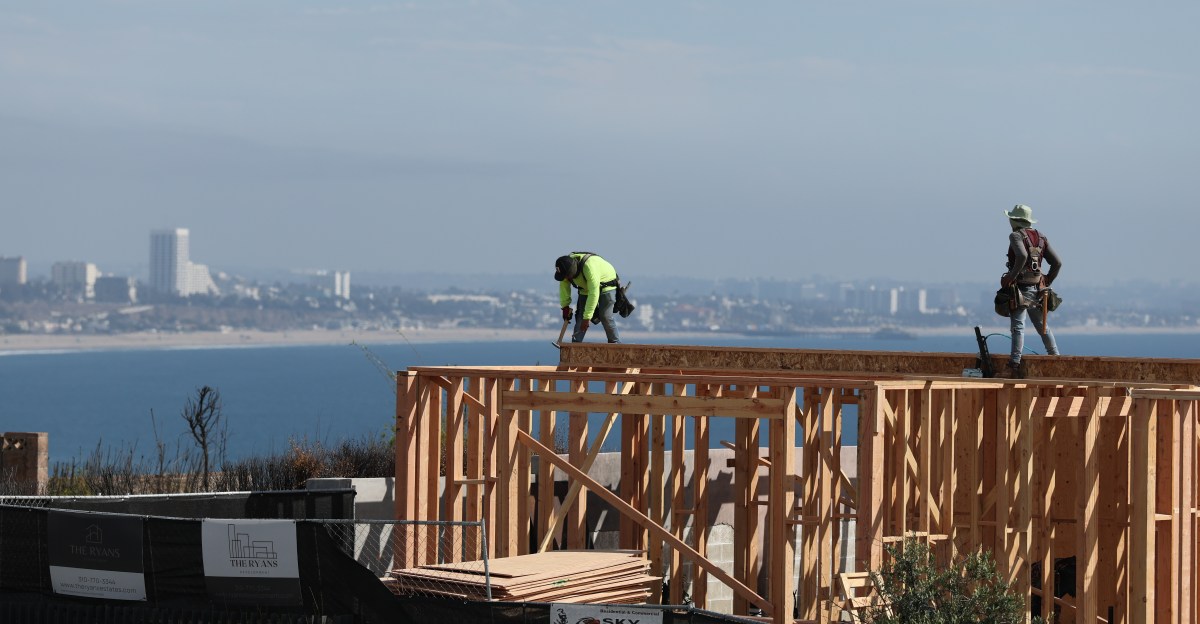
Probably the cost to rebuild is more then these people have to rebuild. Bet insurance denied lots of claims too.
Yup. Insurance companies were like “nope”.
And delayed payment on the ones it couldn’t deny. Farmers in particular just paid a bunch of claims once the state government started investigating them. Which shows they could have done so all along but were trying to wait out the homeowners and get them to settle for a smaller amount.
I bet a lot of people didn’t have fire insurance.
EDIT:
EDIT2:
https://www.latimes.com/business/story/2025-01-12/california-homeowners-are-getting-cancelled-by-their-insurers-and-the-reasons-are-dubious
So the insurer (accurately) predicts that the rate of fire across the entire area has become extremely high, and updates prices to reflect that. They’re doing what they probably should: predicting risk and passing that information through as price information.
The state will insure at a lower rate, but requires a lot of changes to the property to reduce fire risk to go anywhere near it. That’s reasonable (well, maybe not whatever specific numbers are involved, but providing the option of lower prices for a homeowner taking actions to mitigate that extreme fire risk).
But that mitigation itself isn’t free, and the homeowner is so living close to their financial limits that they can’t afford the mitigation. So they gamble: maybe a fire won’t happen. A fire does happen, and so now they can only really sell the property for the land value.
So, what went wrong there?
Well, I’d give two suggestions.
The insurer assessed risk correctly — its analysis was “this place is facing extreme risk of fire” and it passed that information on as price information…but it didn’t do so as early as it could have done. If the homeowner had known that they’d be facing $18k/year fire insurance some years earlier, maybe they wouldn’t have moved into the area in the first place, that it’d be just too expensive to live there. People sign insurance contracts on a shorter-term basis than they decide where to live. The incentives created is for insurers is to analyze risk over a year long basis. The price information gets passed on to homeowners, but it may not give them enough time to act. We could restructure the insurance market by doing something like capping annual percentage rates of increase once someone has obtained a given rate. That’d establish more-conservative and longer-term risk assessment by insurers, like, what will the fire risk be in the area five years from now, or ten years from now, not just over the next year. Do that and people will tend to pay more for fire insurance on average, because insurers will have to take into account that it’s harder to predict five years or ten years out. But it also will give homeowners a longer time window to make decisions.
I think that in general, people should maintain a larger financial buffer. “I need to have a number of trees on my property cut down in order to reduce my insurance rates against a very large hike” is the kind of unexpected expense that’s probably a good idea to pay. But if people don’t establish and maintain liquid assets for that kind of situation, then that option goes away.
https://homeguide.com/costs/tree-removal-cost
Assuming the upper level there as his worst case, the most that removing those ten trees would have cost was $12,000. Spending $12k to reduce annual costs by $18k is an investment that pays for itself in the first two-thirds of the first year. That is an awfully good move, financially. If you maintain a 6-months-of-income emergency fund, then that should probably cover it. But…if you can’t find the $12k, then it ain’t happening.
I would very much like Americans to maintain a larger financial buffer than they do. Here, it would have paid off in a big way for the person involved: had they done it, they’d have had an insurance payout or maybe even saved their house. But…okay, lots of people have recommended maintaining a buffer, and it certainly isn’t something that always happens. Say that doesn’t happen here. What other options are there? Maybe the person here could have taken out $12k in debt against the house, and spread out paying that back. If the California state insurance program assessment is correct as to the reduction in risk from removing the trees — and unless the lower price is just reflecting state subsidy, it should — it might make sense for the state insurance program to say “Okay, I’ll offer an all-in-one package, with financing. You take out $N in debt against your equity. You agree to a series of mitigations that that funds, like removing trees on the property, and we provide the near-term funds for it.” That’s not free, but it’s also not one big $12k bill, either. Maybe that’s something that the homeowner in question could have done. That basically permits the state to more-rapidly have fixes for high fire risk to happen.
The homeowner in question presumably — unless he’s violating his mortgage contract — has paid off his house, because his mortgage will very probably require him to maintain fire insurance as long has he has an outstanding mortgage, to mitigate their risk. So he should have equity to secure that loan.
Okay, but say what he actually did was to violate his mortgage contract and just have both a mortgage and run without fire insurance. What then? How do you avoid that scenario? Well, one option might be for the state to require that mortgages come bundled with fire insurance, that the mortgage lender be the one to obtain a fire insurance contract — at least on the percentage of the property that they own — which forces the price information about fire insurance to be baked into the mortgage price. That’ll make mortgages in the state more expensive; it’ll also mean that either the mortgage lender or the insurer will have to do long-term risk assessment to price in fire risk, if you’re talking about mortgages that run on the order of decades. But it makes things a lot more straightforward for the homebuyer: one up-front number attached to purchase price that should represent long-term risk.