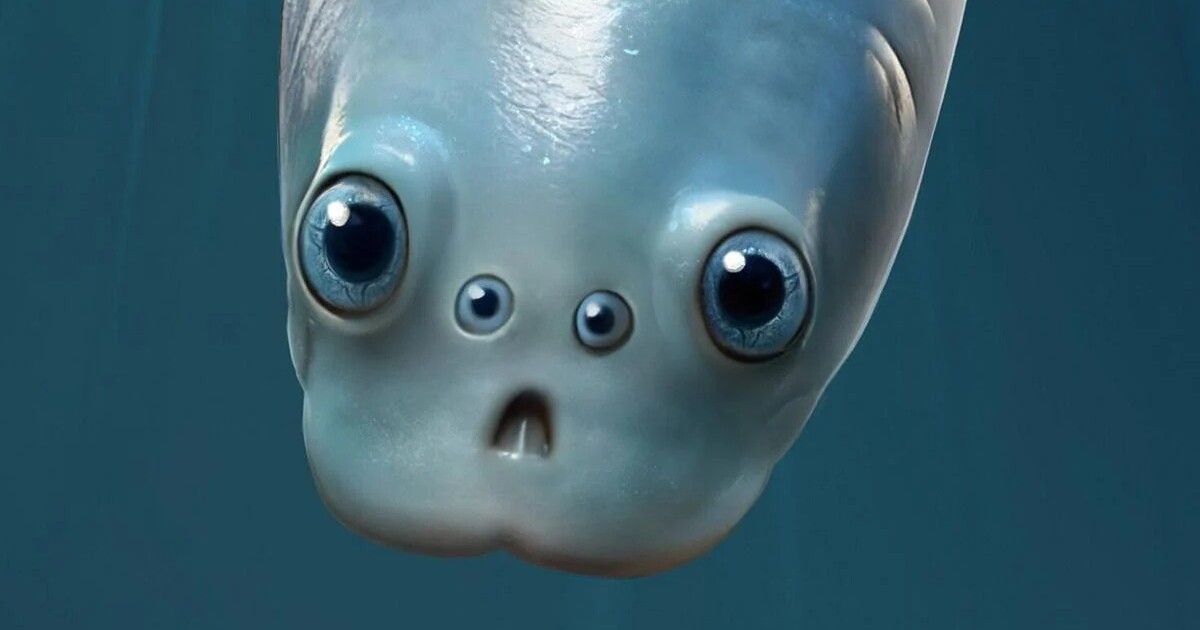
The earliest ancestors of all backboned animals, including humans, may have viewed the world with four eyes, not just two. The remnants of those extra eyes persist in the human brain today as the pineal organ, which is deep inside our brain, regulating our sleep cycle, but no longer forms images.

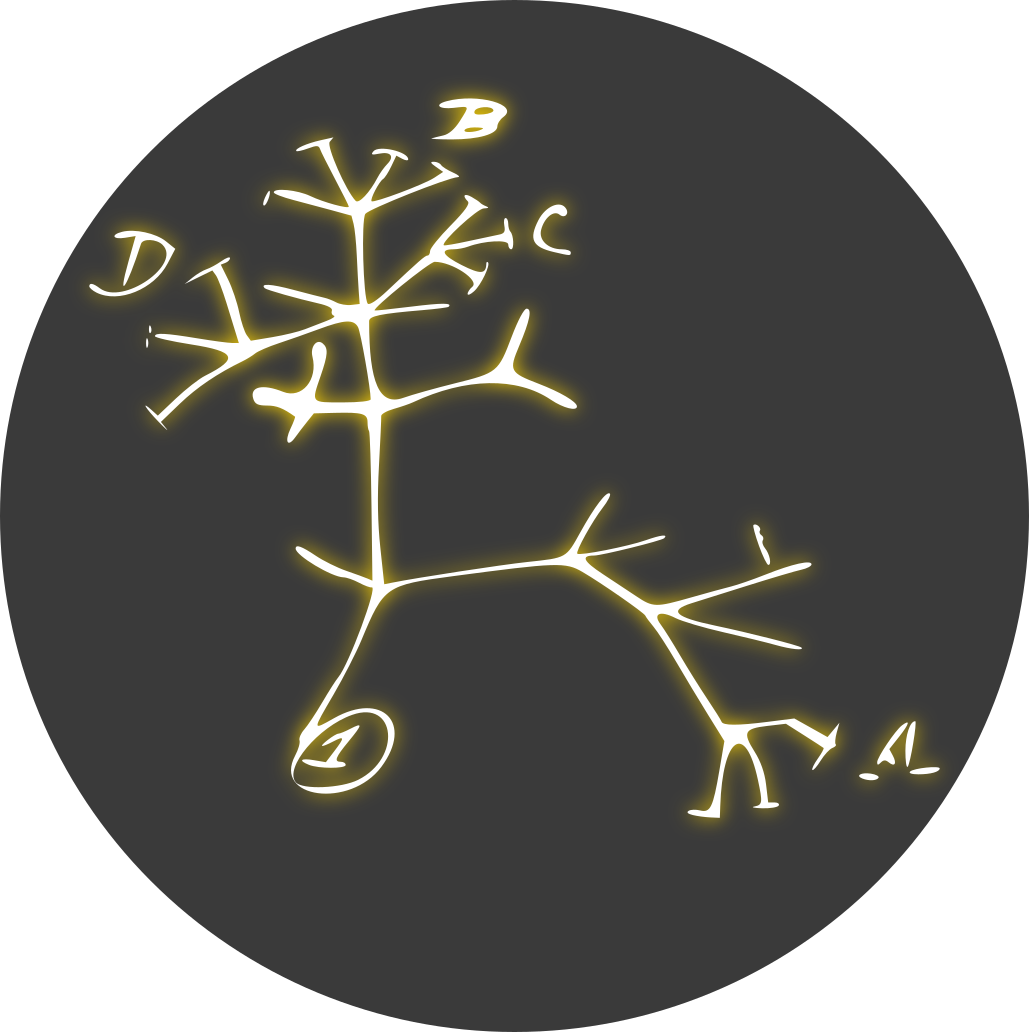
It seems likely that its external sensing function faded before the development of “hot blood” (endothermy) as it’s vestigial even in very basal reptiles like the tuatara, so likely it was already disappearing as a sensory organ fairly early in quadruped evolution. Snakes, crocodiles and turtles (all exothermic) all lost it completely as an external feature, snakes are particularly notable as they’re in the same branch as tuataras and lizards, many of whole still have it as a vestigial external structure. It also appeared in some extinct branches of therapsids(many appear to have been endothermic) in some form, but is completely absent in mammals, the only surviving branch of therapsids.
It does function as a sensing organ in many amphibians, suggesting that it became vestigial for sensing some where in the early evolution of amniotes, but stuck around as an external structure across multiple branches but many have since convergently evolved to loose it as an external structure.
Got it - thanks for the info!