You call it puritanical, but if you allow an “anything goes” mentality to prevail in media, and then young men and adolescent boys start emulating the behaviors they absorb through their hypersexualized media, you’ll call them deviants and sex pests and you’ll wrack your brain trying to figure out why that behavior is normalized.
If media depicts women as gratuitous sex objects, you’ll take issue with it, right? But then you ask why sexually explicit content should be censored, and suggest that it could only be because of puritanism?
Because, what’s the assumption? That A), media doesn’t influence behavior; and B), sexual activity isn’t maladaptive?
If both are true, then how do you justify all the arguments about depicting women and minorities in media? Cause it seems like those arguments often contradict Assumption A above…
For the record, I’m not arguing in favor or against. Just encouraging logical consistency, because I don’t find cognitive dissonance very convincing.
Kids emulating bad behaviours from outside influences is called “bad parenting”. The best teachers are parents and a kid can learn to recognise the morals or lack of morals before them if their parents take the time to actually talk to their kids.
The only way a toxic outside influence will effect a kid to the point where they grow up emulating it, is because the parents failed at being good role models.
That’s a really convenient way of turning things around to make me sound like a monster for something that I didn’t say.
I never mentioned non-consensual material. In fact, depictions of non-consensual scenes are often used to demonstrate the monstrosity of it. Maya Angelou discusses non-consensual experiences, to call attention to the heinousness.
That’s a red herring though, because I didn’t ask “should non-consensual media be banned?” I asked “Should media that depicts women as gratuitous sex objects be banned?” That type of media wouldn’t bother depicting non-consensual scenes, because the author can easily write consent into it any way he wants. People would be complaining about the sexualized depictions of women.
They even have terms for it. “Written for the male gaze,” “Jezebel,” etc. But how is banning that sort of content any different from banning 50 Shades of Grey or smutty literotica in general?
Well, there is one duo of books that are banned here in Denmark. My friend’s wife is reading them and I had the same reaction as you when I heard it was banned.
I thought, pch, pearl clutchers.
Then she started reading the forward to me, which contained a list of all the fetishes present in the book. It sounded pretty tame with all the BDSM kinks, then it came to blood play, consensual and none-consensual physical abuse, torture porn, and erotic gore.
Well, I’m not sure what “banned” means outside of the Danish context, but my friend’s wife would not get arrested or fined for reading those books. If I remember correctly, her book club was actually covering those books, and similar, that month.
What “banned” means is that no book store franchise will sell them and no library will hold them. Small private book stores probably still sell banned books, and if you get them somewhere from the internet it should be fine.
i believe that Mein Kampf should be available with the proper contextualization and critiques. putting it out for the public to spread its hate is what its author wanted, but to erase its existence entirely is to eliminate the possibility of learning from the past that these things are possible and real.
Mein Kampf is not the only way that form of racial hate spreads. we have to teach people to recognize it or you make it too easy for someone like Ben Gvir to retool this racial hate to equate anti-semitism and anti-zionism when zionism itself is an anti-semitic strategy of statecraft.
If it’s seated within a text that’s critical of nazi propaganda and makes the necessary context clear, I agree that it should be available. But that’s different from publishing the book under its own title.
When it comes to books like Mein Kampf, I think they should be available to the public.
Those individuals who would end up radicalised by a book like Mein Kampf would end up radicalised anyway. Those who would not get a look into the mind of an idealogical extremist and will hopefully get educated.
What would get people to not take nazi, fascist, and extremist talking points seriously is not being educated in what they are. So instead people get their idea of what they are from movies, memes, and whatever they remember from lessons briefly covering World War 2 in history class.

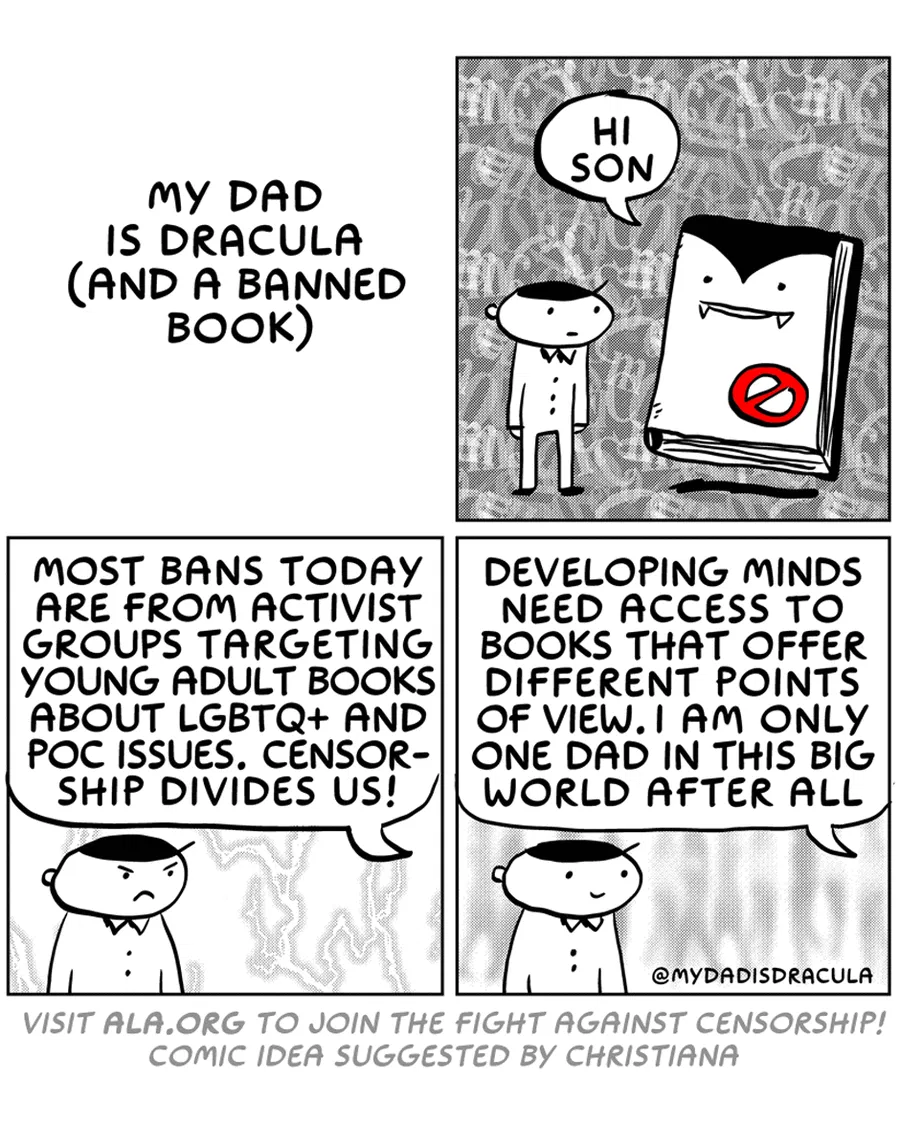
Any why do you think sexually explicit content should be censored? Is it perhaps because you live in a puritanical society?
You call it puritanical, but if you allow an “anything goes” mentality to prevail in media, and then young men and adolescent boys start emulating the behaviors they absorb through their hypersexualized media, you’ll call them deviants and sex pests and you’ll wrack your brain trying to figure out why that behavior is normalized.
If media depicts women as gratuitous sex objects, you’ll take issue with it, right? But then you ask why sexually explicit content should be censored, and suggest that it could only be because of puritanism?
Because, what’s the assumption? That A), media doesn’t influence behavior; and B), sexual activity isn’t maladaptive?
If both are true, then how do you justify all the arguments about depicting women and minorities in media? Cause it seems like those arguments often contradict Assumption A above…
For the record, I’m not arguing in favor or against. Just encouraging logical consistency, because I don’t find cognitive dissonance very convincing.
Kids emulating bad behaviours from outside influences is called “bad parenting”. The best teachers are parents and a kid can learn to recognise the morals or lack of morals before them if their parents take the time to actually talk to their kids.
The only way a toxic outside influence will effect a kid to the point where they grow up emulating it, is because the parents failed at being good role models.
Sex isn’t bad, lack of consent is bad.
That’s a really convenient way of turning things around to make me sound like a monster for something that I didn’t say.
I never mentioned non-consensual material. In fact, depictions of non-consensual scenes are often used to demonstrate the monstrosity of it. Maya Angelou discusses non-consensual experiences, to call attention to the heinousness.
That’s a red herring though, because I didn’t ask “should non-consensual media be banned?” I asked “Should media that depicts women as gratuitous sex objects be banned?” That type of media wouldn’t bother depicting non-consensual scenes, because the author can easily write consent into it any way he wants. People would be complaining about the sexualized depictions of women.
They even have terms for it. “Written for the male gaze,” “Jezebel,” etc. But how is banning that sort of content any different from banning 50 Shades of Grey or smutty literotica in general?
For the kids.
Well, there is one duo of books that are banned here in Denmark. My friend’s wife is reading them and I had the same reaction as you when I heard it was banned.
I thought, pch, pearl clutchers.
Then she started reading the forward to me, which contained a list of all the fetishes present in the book. It sounded pretty tame with all the BDSM kinks, then it came to blood play, consensual and none-consensual physical abuse, torture porn, and erotic gore.
Then I understood.
Banning is is still dumb, even if people think it’s weird…
" Here is what’s in this book, make an informed decision on whether or not you will read it."
Vs:
“I think this book is icky, so no one is allowed to read it.”
Well, I’m not sure what “banned” means outside of the Danish context, but my friend’s wife would not get arrested or fined for reading those books. If I remember correctly, her book club was actually covering those books, and similar, that month.
What “banned” means is that no book store franchise will sell them and no library will hold them. Small private book stores probably still sell banned books, and if you get them somewhere from the internet it should be fine.
Do you or do you not believe Mein Kampf should be banned?
i believe that Mein Kampf should be available with the proper contextualization and critiques. putting it out for the public to spread its hate is what its author wanted, but to erase its existence entirely is to eliminate the possibility of learning from the past that these things are possible and real.
Mein Kampf is not the only way that form of racial hate spreads. we have to teach people to recognize it or you make it too easy for someone like Ben Gvir to retool this racial hate to equate anti-semitism and anti-zionism when zionism itself is an anti-semitic strategy of statecraft.
If it’s seated within a text that’s critical of nazi propaganda and makes the necessary context clear, I agree that it should be available. But that’s different from publishing the book under its own title.
When it comes to books like Mein Kampf, I think they should be available to the public.
Those individuals who would end up radicalised by a book like Mein Kampf would end up radicalised anyway. Those who would not get a look into the mind of an idealogical extremist and will hopefully get educated.
What would get people to not take nazi, fascist, and extremist talking points seriously is not being educated in what they are. So instead people get their idea of what they are from movies, memes, and whatever they remember from lessons briefly covering World War 2 in history class.