Beneath the ocean’s surface, bacteria have evolved specialized enzymes that can digest PET plastic, the material used in bottles and clothes. Researchers at KAUST discovered that a unique molecular signature distinguishes enzymes capable of efficiently breaking down plastic. Found in nearly 80% of ocean samples, these PETase variants show nature’s growing adaptation to human pollution.


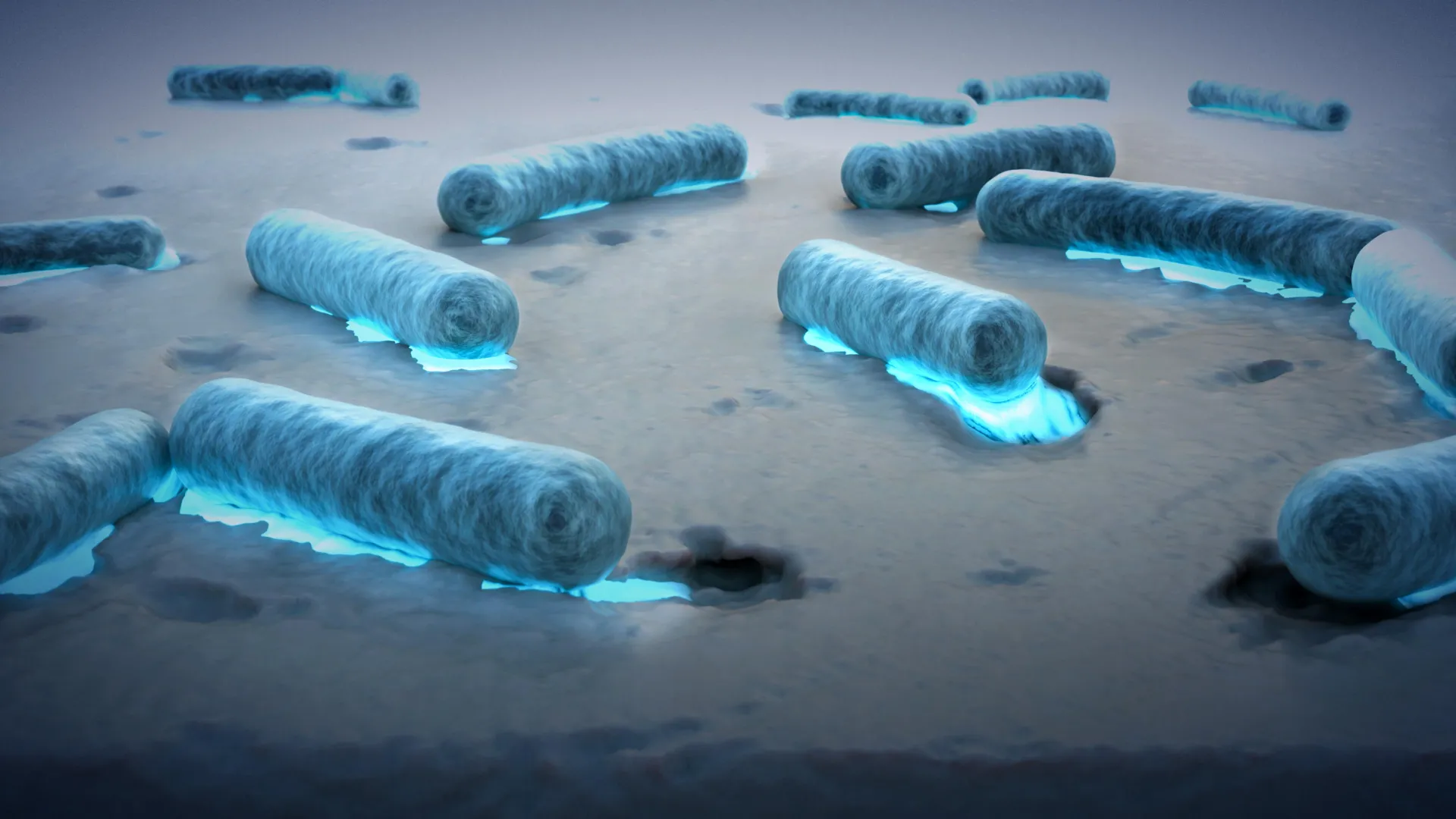
Has anyone considered the flip side of this. if we are unintentionally creating a bacteria that eats plastic, and our civilization is made of plastic, then this is a bad thing. Hospital equipment, airplanes, computers food storage, electrical wires…
Don’t get me wrong, I think we should end all plastic use. but in a controlled way, not with a plastic eating plague.
To be fair, this has happened before, and I understand it was far hard for the bacteria then.
There was a time when cellulose could not be broken down. Trees fell and piled up for … miles? Anyway, then bacteria figured out how to break it down. (We also got coal from the trees that were burred.) Anyway, we still build out of cellulose. Sometimes we treat the cellulose, sometimes we don’t.
Plastic may, or may not, end up the same way.
It could always burn though. And in fact burned easier, with a higher O2 level in the atmosphere. And while bacteria did figure out how to break down some wood molecules, fungi evolved and are the more important wood digesters.
Thank you. I always hear about the fungi and not the bacteria…
Great reminder about the fires. https://en.wikipedia.org/wiki/Carboniferous in the section titled “Atmospheric oxygen levels”.