I mean, airplane brakes probably have about a 3% duty cycle (the percentage of time they’re in use), so they’re generally idle. For city driving, car brakes probably have about a 25% duty cycle.
If those numbers are close to accurate, that means planes are using their brakes about 10x less than cars.
BTW, I didn’t pull those plane numbers directly out of my ass, but they’re definitely a rough estimate. I’m figuring about 5 minutes of breaking time per flight, counting landing and during the taxi to and from the runway. And I’m assuming a 2.5 hour flight, figuring that could be close to an average flight time.
That’s the real difference to me, maintenance. Planes have a strict schedule of inspection and replacement. Moms minivan last saw an oil change before the kids made it to middle school. There’s going to be some failures.


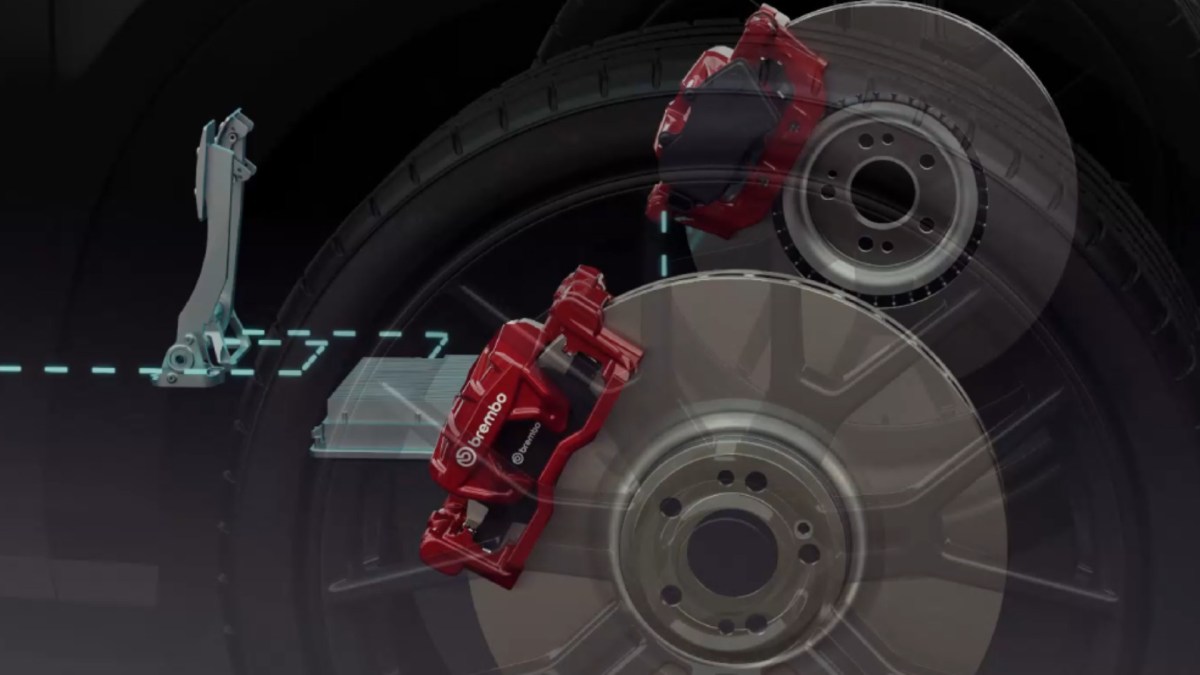
Brakes on airplanes are used infrequently (though when they’re used, they’re safety-critical) so the usage pattern is very different than for cars.
Does at least once per flight really count as “infrequent?”
I mean, airplane brakes probably have about a 3% duty cycle (the percentage of time they’re in use), so they’re generally idle. For city driving, car brakes probably have about a 25% duty cycle.
If those numbers are close to accurate, that means planes are using their brakes about 10x less than cars.
BTW, I didn’t pull those plane numbers directly out of my ass, but they’re definitely a rough estimate. I’m figuring about 5 minutes of breaking time per flight, counting landing and during the taxi to and from the runway. And I’m assuming a 2.5 hour flight, figuring that could be close to an average flight time.
And inspected after every use.
That’s the real difference to me, maintenance. Planes have a strict schedule of inspection and replacement. Moms minivan last saw an oil change before the kids made it to middle school. There’s going to be some failures.