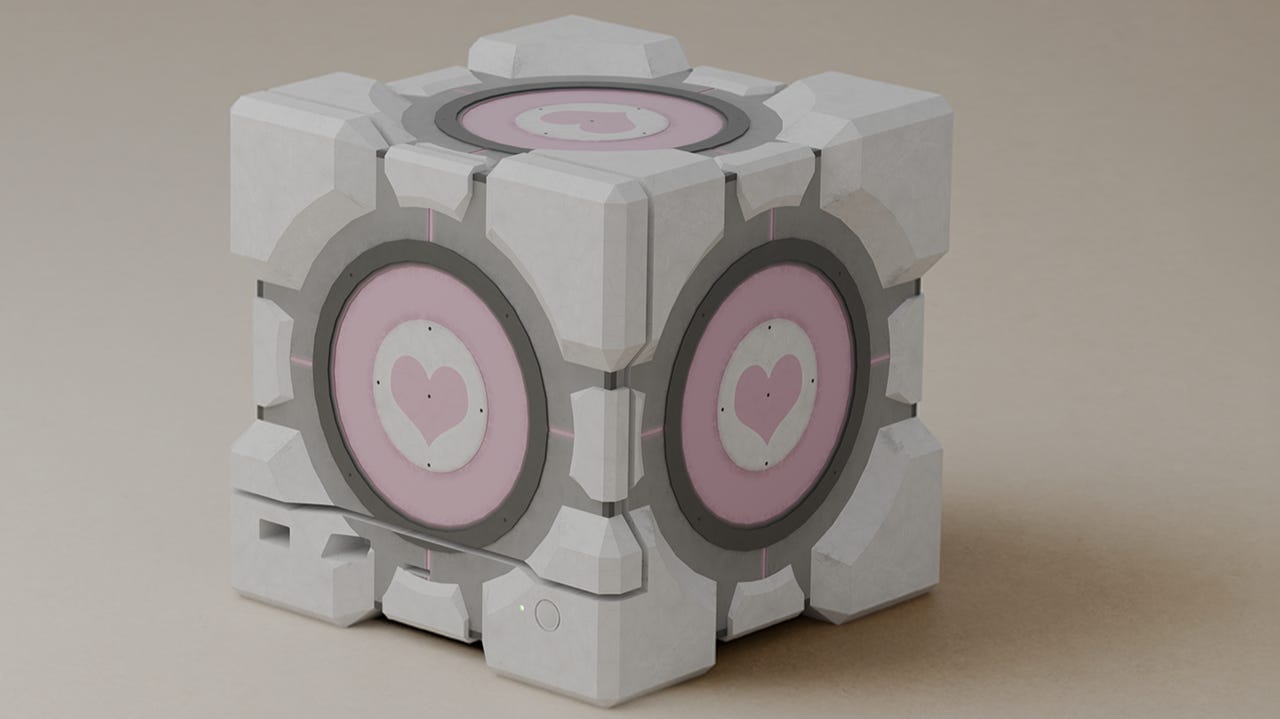
Tech accessory company dbrand has canceled its Steam Machine Companion Cube enclosure effective immediately because it didn't ask Valve for permission to make it in the first place.
This is the typical defence for copyright. It’s also innacurate to the point of being intellectually dishonest. It ignores the reality of capitalism where legal protections only exist for people and corporations that have the money/power to get what they want.
Your Thing™ example would be cloned and sold on Amazon by a broad range of fly-by-night companies, and that’s if you’re lucky. If you’re unlucky, Amazon will clone it themselves, obfuscate your product in its search results, and sell your product under their brand, sometimes even for more than you’re selling it.
If your Thing™ isnt a physical product but rather something creative, then 99 times out of 100, there are only really two paths available to you:
In the lucky case you sell your copyright to a third party that exploits it (and you), offering you a pittance while simultaneously tying your hands, preventing you from creating derivative works or even just giving it away… for the res t of your life, and that of your kids’. In the unlucky case, you can’t afford to promote your product, so you toil for years with little to no reward for your work. Then AI techbros scrape your art and sell it back to you exclusively for their profit.
Copyright has some great marketing, but it offers you little while the rich claim ownership over your art, and our society.

This is the typical defence for copyright. It’s also innacurate to the point of being intellectually dishonest. It ignores the reality of capitalism where legal protections only exist for people and corporations that have the money/power to get what they want.
Your Thing™ example would be cloned and sold on Amazon by a broad range of fly-by-night companies, and that’s if you’re lucky. If you’re unlucky, Amazon will clone it themselves, obfuscate your product in its search results, and sell your product under their brand, sometimes even for more than you’re selling it.
If your Thing™ isnt a physical product but rather something creative, then 99 times out of 100, there are only really two paths available to you:
In the lucky case you sell your copyright to a third party that exploits it (and you), offering you a pittance while simultaneously tying your hands, preventing you from creating derivative works or even just giving it away… for the res t of your life, and that of your kids’. In the unlucky case, you can’t afford to promote your product, so you toil for years with little to no reward for your work. Then AI techbros scrape your art and sell it back to you exclusively for their profit.
Copyright has some great marketing, but it offers you little while the rich claim ownership over your art, and our society.