
A new report from the Deep Sea Mining Campaign says a threat tied to seabed mining has gone almost entirely unexamined: radioactivity.
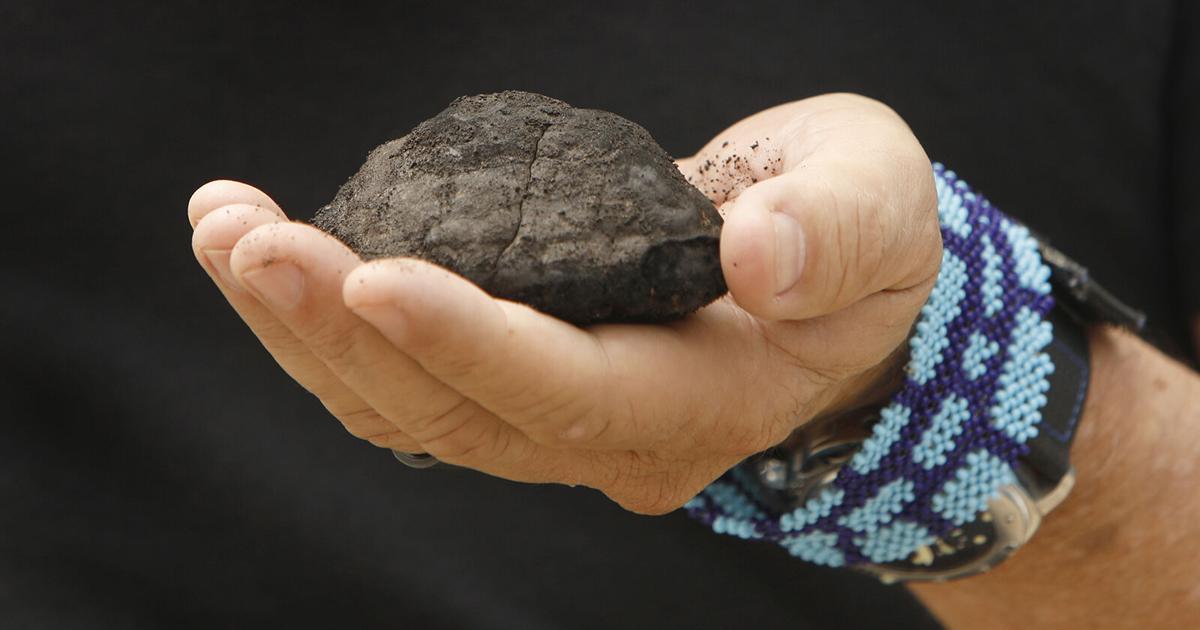
The report, released June 30 as the International Seabed Authority met to debate mining regulations, points to a 2023 study by researchers at the Alfred Wegener Institute in Germany that found alpha-emitting radioactive isotopes concentrated on the outer layer of polymetallic nodules, the potato-sized mineral deposits scattered across the Pacific floor that mining companies want to extract.
That study, published in the journal Scientific Reports, measured radium-226 on nodule surfaces at levels that, in some cases, exceeded Germany’s radiation safety limit by a factor of 100 to 1,000. Nodules stored in poorly ventilated spaces also released radon gas at concentrations that could climb well above international exposure limits, the study found. During metal processing, some of the radioactivity, including actinium-227, could become further concentrated in the rare earth elements extracted from the nodules. The AWI team said it plans to study whether nodules from other parts of the deep sea carry similar radioactivity and how to weigh the ecological, economic and social risks that follow.
The Deep Sea Mining Campaign report does not claim that mining has already caused ecological damage from radioactivity. Instead, it lays out what its authors call a scientific blind spot: No peer-reviewed studies have examined how radioactive material released by mining would move through marine food chains or what doses marine life would actually absorb.
Could… Will, because regular mining already releases radioactivity, burning fossil fuels releases radioactivity, storing the ash and waste releases radioactivity.