

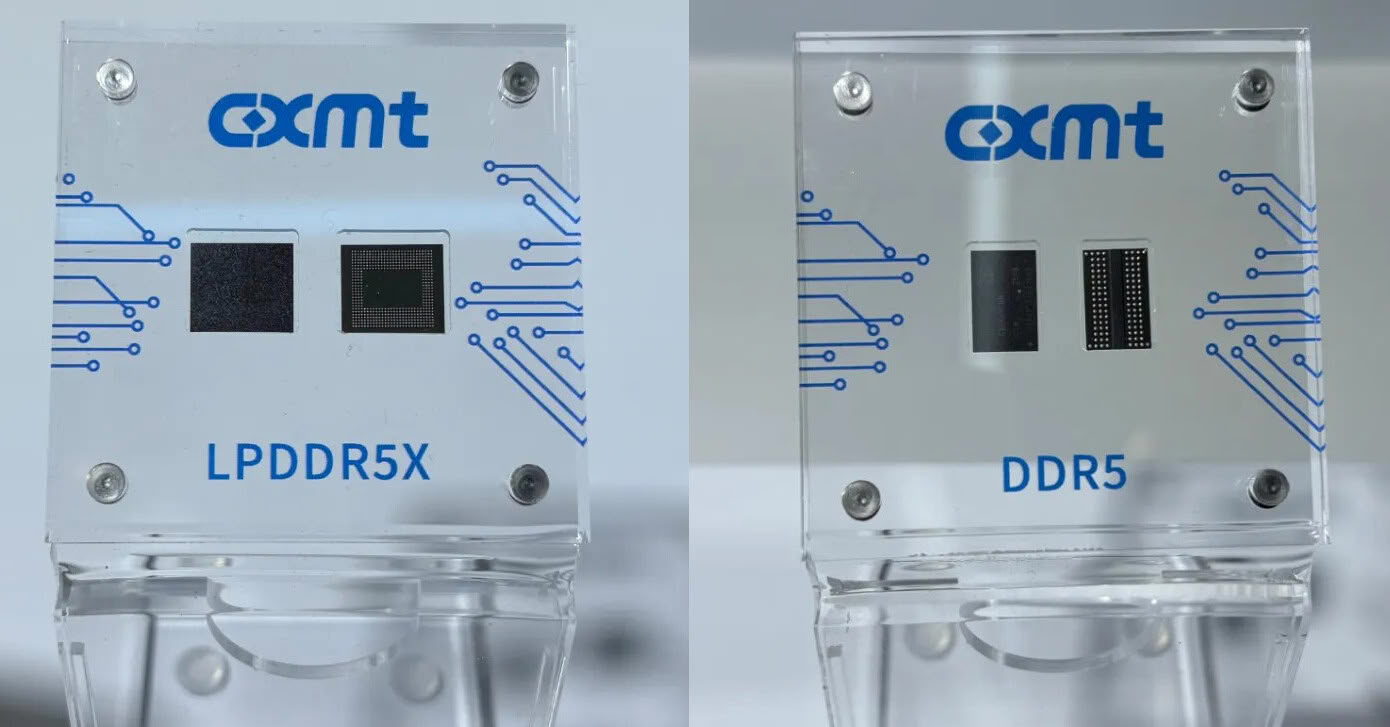
A particularly surprising discovery is that CXMT is constructing its cleanrooms—where the actual silicon is produced—in just around 12 months, whereas the rest of the DRAM manufacturing industry typically takes 21-24 months, nearly a full year longer.
Finally, the report notes that the Chinese government is encouraging CXMT to transfer its DRAM technology IP to other Chinese DRAM manufacturers such as JHICC, Swaysure, and YTMC’s subsidiary XMC. This initiative aims to alleviate memory shortages domestically before CAMT-designed DRAM enters other markets, such as the EU and possibly even the U.S.
Micron doesn’t seem interested in competing for consumer memory anyway, since they exited the consumer memory market. Latent demand exists for memory at not-outrageous prices so good for CXMT for filling that niche.
CXMT will also sell at outrageous prices. It’s free money.
CXMT will sell the chips to memory manufacturers in China for “domestic use only” at near cost price as directed by the CCP.
Those manufacturers will construct consumer ram modules and sell them locally, and there will be grey market exports to other countries for ridiculously low prices compared to everyone else.
This way the CCP props up domestic supply, and chips away at foreign manufacturer market share by turning a blind eye to the massive grey market export of RAM.
Do you think they’ll stop expanding after filling the consumer memory market though?
I don’t think so, domestic electronics manufacturers have an enormous need for memory that is performant but doesn’t necessarily need the top-of-the-line, and probably China’s government is pushing to reduce the need for imported memory components from Korea or Taiwan as well, so demand for production is there coming from both the private and public sector.
Micron DDR chips are still being added to many consumer devices. They just would down the side the sold SSDs and similar direct to consumers.
The companies are still focusing on larger customers that are willing to pay more, one has to wonder how they will fare when those businesses aren’t willing to pay as much and the companies they told to take it or leave it have options from China.