

I like the idea, and the commitment from gov’t leaders, but I question how well it will ultimately work out. Medicine Hat is a good example of a small city that committed to a housing first policy and it was objectively successful, though in the years since the homeless number has been increasing largely due to waning commitment from the provincial govt due to certain ideologies. I still support this though, and will provide dignity for a lot of those struggling with the basics.
Long-term commitment is definitely a concern, especially if/when there’s a change in government.
I also think they’ll eventually run into a housing supply issue - at some point, they’ll run out of buildings to rehabilitate and have to rely on new builds.
Great to see the “housing first” model making news! MSP has the right approach here, and I hope the city stops making things harder!
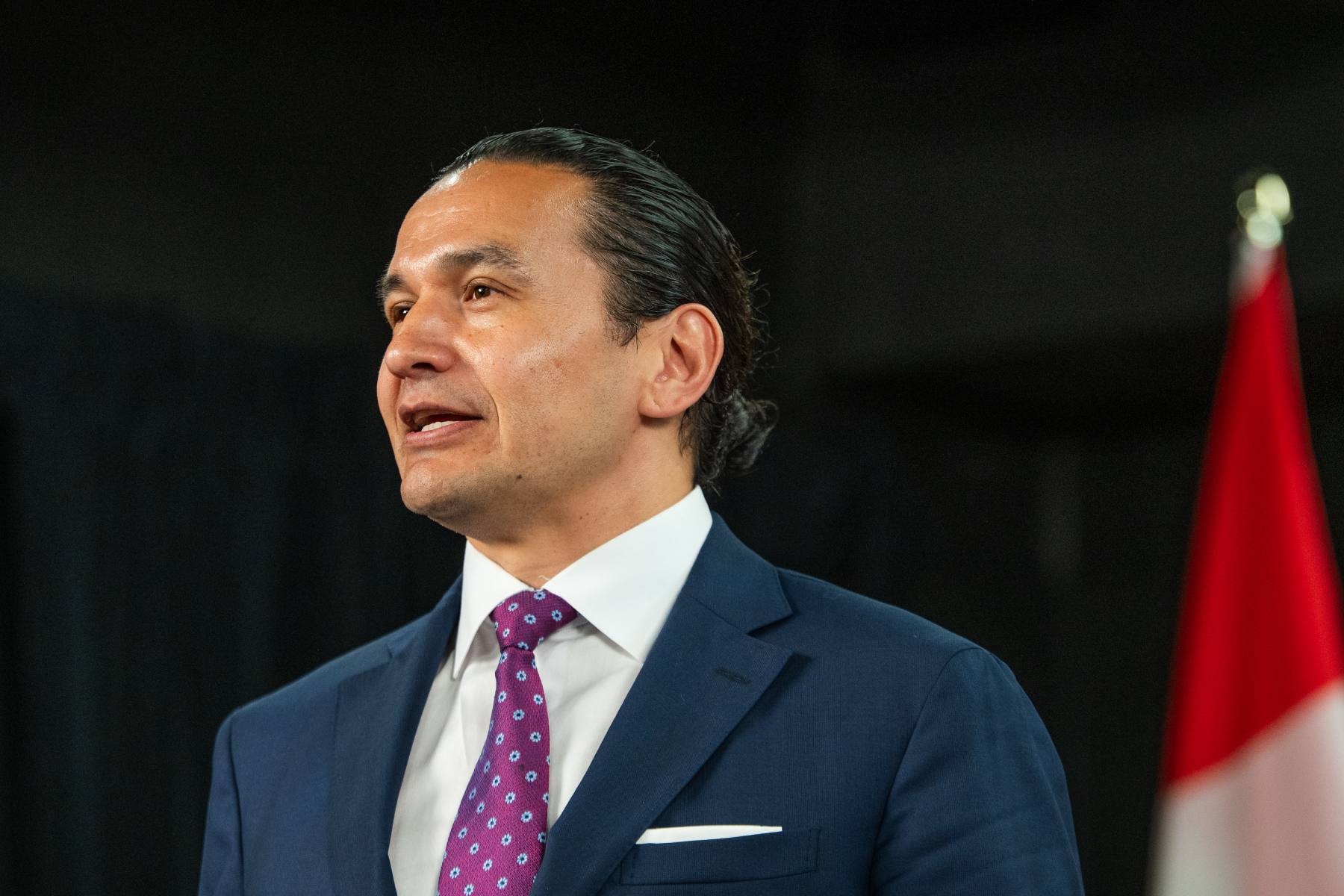
Wab Kinew’s approach involves moving thousands of unhoused people into permanent homes
If it were that simple, homelessness would have been solved years ago.
There are multiple reasons for being homeless in the first place, two of which are: nobody wants to live near the person, and the person doesn’t want to live near others. Then there’s mental issues and substance abuse that mean people need support they may not want, in order to live in a manner which they don’t desire.
So sure… provide a place to sleep for everyone. That’s an essential first step. But that still won’t result in everyone being housed, as some will refuse to live by the rules imposed on them by others that are an explicit or implicit condition of that housing.
The line between having a home and not having one is far thinner and more attributable to chance than this comment acknowledges. I am not religious, but the statement “There but for the grace of God go I” is something that applies here. Family circumstances, health circumstances, community circumstances are largely a roll of the dice and we live with the outcomes, and those dice can be re-rolled at any time in a person’s life through major personal tragedy or just an accumulation of factors that amount to as much. Truly, there but for the grace of God go any of us.
I do volunteer work for a couple homeless orgs in Toronto. The common misconception is “you can’t solve homelessness because they’re all addicts or crazy” and that’s simply not true. First and foremost the addicts and the mentally ill are the last groups that are going to seek out assistance. Food lines for example are generally going to be vacant of both those groups. but said lines are still massive.
Next you have the fact that the vast majority of the mentally ill don’t even know they’re homeless. This is another thing that is rarely if ever acknowledged. You can try to talk to these people and in most cases they say they have a home, that they’re housed, and they’re just “out and about” right now. With the addicts it’s just fix to fix. that’s all they are concerned about. Neither group will ask for help because as previously stated A. they believe they’re not homeless or B. they’re just looking for the next fix. When approached and actually offered help they will generally accept it, it’s just that no one has reached out and told them where to go for said help.
There’s also that misconception that they will refuse to live by the rules imposed on them. this is make belief and I’ve never come across any place that has “rules” preventing someone from doing something. It’s also a false narrative that shelters bar drug use. this isn’t true at all. Shelters will provide safe consumption areas for users and try to provide said user with help.
In most cases the homeless population, currently, consists of the elderly, women escaping domestic abuse, middle age single women who have lost their primary source of income, LGBTQ+ youth, the physically disabled, or simply people who lost their jobs. the most shocking uptick are middle age women. it’s REALLY bad for that right now. So can homelessness be solved for these people listed? 100% and doing so you’d see a massive reduction of people sleeping outside in your average city. A homes first initiative with needs based assistance can work. in 2013 a study in Toronto was shown that the city spends on average 75K a year PER homeless individual. this included shelter costs, medical, and other resources. that’s 75K per person in YOUR tax dollars that went towards not solving anything. Providing housing + assistance would be massively cheaper in the long run.
The primary barrier to solving this aren’t the people sleeping rough. It’s the people with roofs over their heads who simply don’t want to pay for it and feel these people are getting handouts. that’s it.
A homes first initiative with needs based assistance can work. in 2013 a study in Toronto was shown that the city spends on average 75K a year PER homeless individual. this included shelter costs, medical, and other resources. that’s 75K per person in YOUR tax dollars that went towards not solving anything. Providing housing + assistance would be massively cheaper in the long run.
We had a similar study done in Quebec : https://www.lapresse.ca/affaires/chroniques/2026-07-16/etude-du-cirano/chaque-personne-itinerante-coute-77-600-par-annee.php
But often, that doesn’t work with the mentality that these people don’t “deserve” the help. So much for the “pragmatism” the same crowd argue for against the empathy and compassion that everyone deserves.
I concur. Not a study but I’ve spent years working security in welfare offices, shelters, winter encampments, and loss prevention. I’ve seen every type of person and situation and very few are predators or criminals. Most of them are disabled, elderly, and women/teenagers. Men who worked hard until their bodies broke.
Also I would argue most of the crime would disappear if the government didn’t give drug dealers a monopoly on drugs. Like bike theft would still be a thing, but the vast majority of petty theft is bartered for drugs.
We could solve a lot of problems by having medical facilities that provide drugs for free to addicts. There people can directly access recovery resources or maybe with a doctor’s help they can lower the dosage gradually. EoD people doing these drugs until they die anyways, so what’s the difference? Oh right, police would lose their “war on drugs” funding. Can’t have that.
BC Hydro is shelling out $12,000 to repair chargers people are destroying in order to sell the copper for a paltry $20-$150
And it’s happening more and more. The waste is unreal. https://www.cbc.ca/news/canada/british-columbia/ev-charger-thefts-rise-9.7323039
Copper theft is insane. Doing security I’ve seen buildings after they’ve been stripped and walked in on it being done once.
IMO this is late stage capitalism and the rest of us still working have economic guns to our heads.
Look up what Finland did.
Homelessness is a policy choice.
and the person doesn’t want to live near others.
They’ll solve that by only homing the people who DO want to live near others.
The rest can and should enjoy the freedom of Canada’s wilderness.
Step one is getting the easy cases housed, the ones whose issues are largely just financial or who want to do necessary meds, therapy, etc. and are just waiting for the opportunity. Then we can work on the hard cases, and yes, we need more services than just housing there. But if we never do step one, we won’t get to step two.
Can you at least concede that a housing-first model can turn a big homelessness crisis into a smaller one, no? Also note the Your Way Home plan is more than simply stuffing people in rooms, it starts with outreach, meeting people where they are, to determine how and when they might want to move into more stable shelter, and what their other needs are.
Not only can I, I did in the comment you’re replying to :)
But I’m more than happy at the number of people who downvoted it for thinking it was a “this will never work” comment and expanding on why it will definitely improve things.
The only problem with the article is the headline; the actual plan is right on point.
Very fair, you were pretty much on the way there when you had “good first step” in your comment.
So what did you think about the parts of the article which described what they are doing to address those very challenges?
There is a book called Abundance written by Ezra Klein and Derek Thompson that references a study finding the correlations for homelessness and the main issue for homelessness is lack of housing due to limited supply and rising prices and demand. Housing first feels like a great first solution, but also creating more affordable housing to prevent more homelessness and then allow for some mobility upwards.
There is a book called Abundance written by Ezra Klein
ahahahaha Ezra Klein is a fool
Then what do you suggest?
Start with affordable housing. Then with community support (both assisted living and a structure to help people integrate into community that want to). Then possibly basic income? Then community design that fits various expectations, so it’s not all based around commuter living.
After that, acceptance that there are some people who don’t want to be housed, along with continual outreach so they always know it’s an option.
Sorry, but a lot of the people cannot handle any type of job and do not want to integrate with the community. Nor could they follow any rules or structure to even receive basic income.