

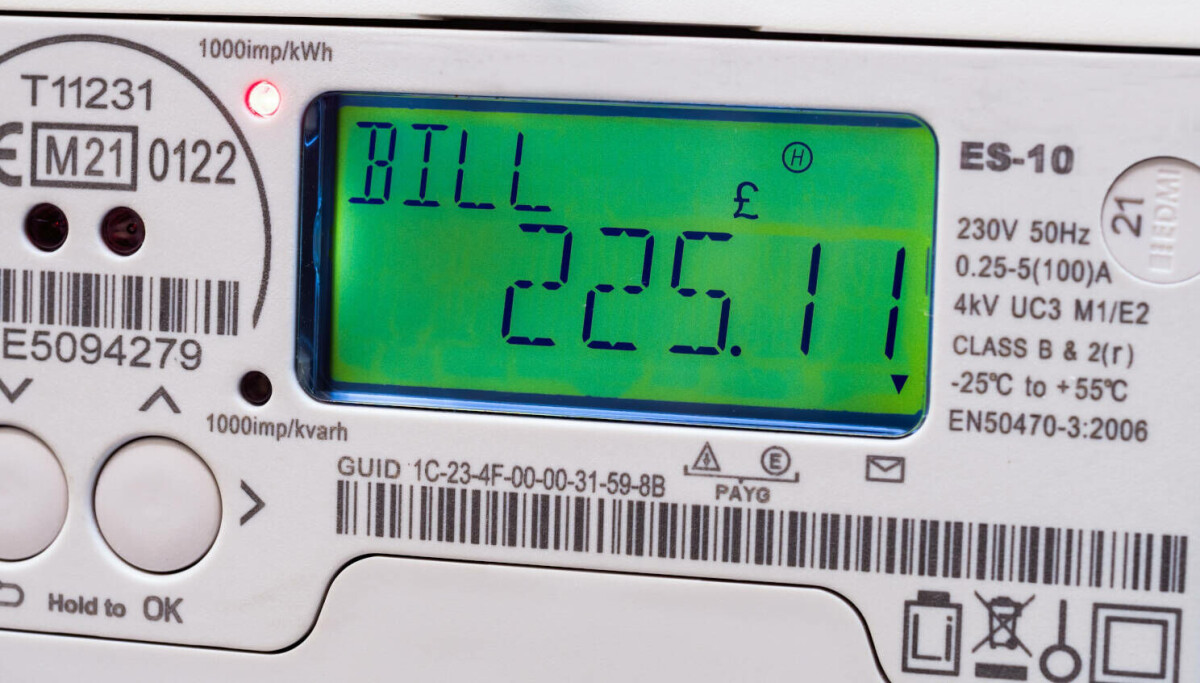
And it’s going to be necessary again in 2040.
However, this is sufficiently far in the future that it is unlikely to trouble policymakers anytime soon.
Lol.
I can’t tell if the numbers are bloated for pushing an interest, but with having to spend those billions every 15-20 years, it would probably be cheaper to hire meter readers or pay to keep the 2G available.
My 1950s meter still works fine.
The smart meters were never about reading meters, it’s for load shedding. They can turn them off remotely.
It also allows demand & supply based variable pricing
But think of the short term profits and dividends for the shareholders!
We’re having the same issue in the Netherlands, although the grid managers have started replacing them a while ago. They’re being replaced with 4G though, which of course also won’t be supported forever.
I think a better solution might be to make a local mesh network on the meters, and one base station nearby that has the internet connection.
Most meters are in areas with plenty of others nearby, and there is already a box thing the grid manager owns somewhere near an electricity connection.
People in remote places could just keep using their existing (or new) meters with 4G.
Then the only reason to replace meters will be because the grid manager themselves wants something changed, for network updates you just replace the base stations.
modular designs prevent this, but nowadays everything must be evil
Modular? Never heard of her… The only thing we have is ✨proprietary✨.
I would think this is a perfect job for lorawan?
LoRa can get saturated pretty easily so some careful planning might be needed, but it’s certainly an option if the city has the money and resources to deploy all the gateways.