For example, OpenAI’s new “Stargate” project reportedly signed deals with Samsung and SK Hynix for up to 900,000 wafers of DRAM per month to feed its AI clusters, which is an amount close to 40% of total global DRAM output if it’s ever met. That’s an absurd amount of DRAM.
Will these even be useful on the second hand market, or are these chips gonna be on specialized PCBs for these machines?
Will these ever be useful on the second hand market
Nope, not ever. Even if it’s standard form factor gear.
They will be disposed of (“recycled”), since that grants the largest asset depreciation tax break, and is the easiest economically. The grand majority of all data center gear gets trashed instead of reused or repurposed through the second hand market.
Source: I used to work at a hardware recycling facility, where much of the perfectly good hardware was required to be shredded, down to the components, because of these stipulations. It’s such a waste.
Dumping bucket of tens of TB worth of modern RAM into a shredder is… Infuriating.
That’s just how electronics recycling is, though. The amount of labor it would take to save all those SMT and BGA components is ridiculous and, honestly, is a pretty specialized skill even if it is easy to learn. The logistics of scale really makes it unreasonable, especially when simpler components can be had for literal pennies. There’s a point where the material cost of the copper is worth more than the labor it takes to do anything else with the board, and it happens a lot sooner than you think.
I get that the logistics of setting up what’s basically a secondary supply chain is difficult, but I’ve got to believe it would be for the better.
hear me out: an org that guaranteed destruction of any residual data and ensured that no component or resource was wasted, was responsible nationwide for the collection of all e-waste into resource streams OR repair for reuse.
I’m just saying, techpriests might make me reevaluate my views on organized religion.
Likely not. This is a spectacularly dumb move, the product isn’t that good and Samsung / SK Hynix are high if they think they they’ll get paid if the market so much as sneezes and things go sideways


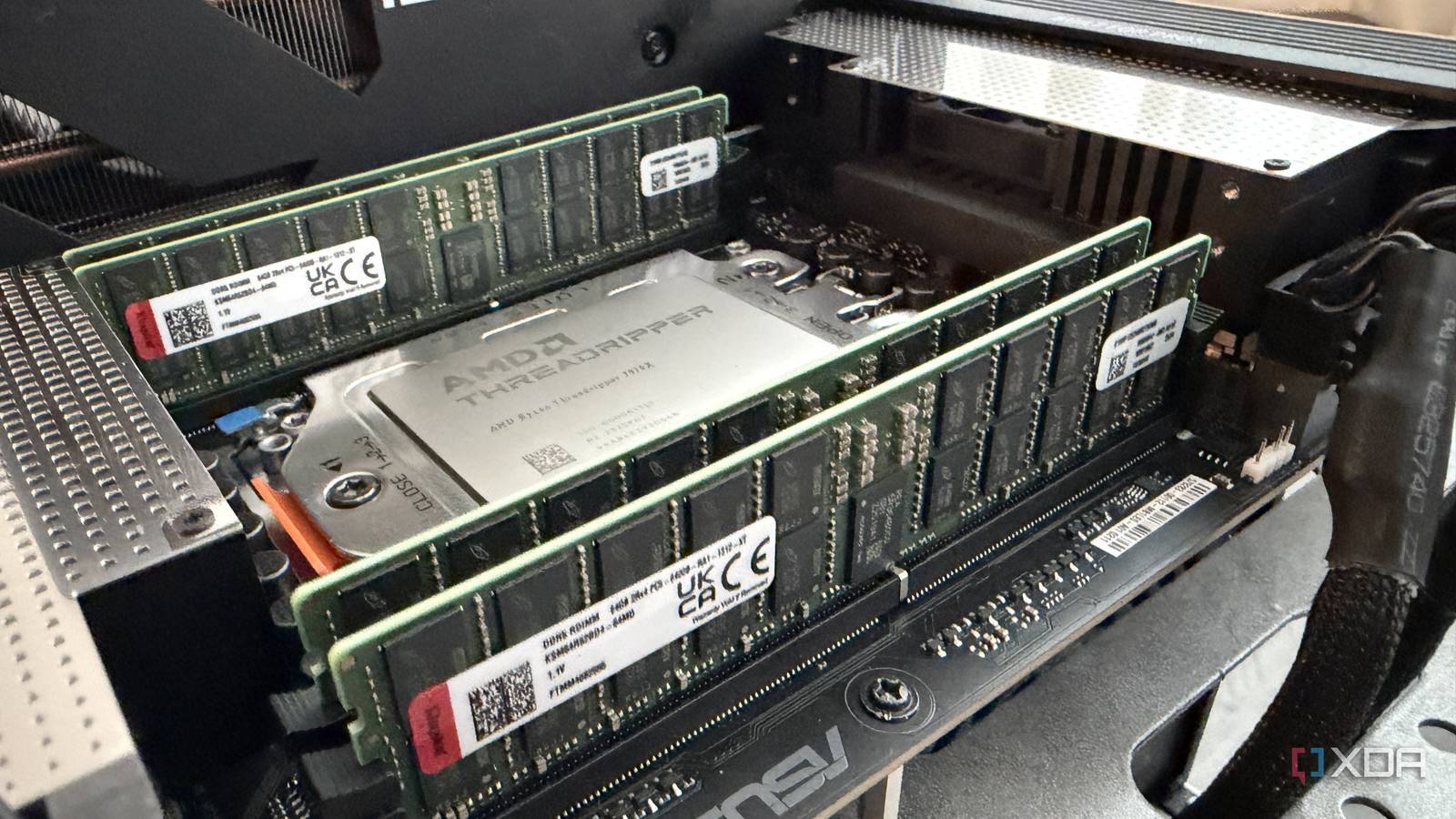
Will these even be useful on the second hand market, or are these chips gonna be on specialized PCBs for these machines?
Nope, not ever. Even if it’s standard form factor gear.
They will be disposed of (“recycled”), since that grants the largest asset depreciation tax break, and is the easiest economically. The grand majority of all data center gear gets trashed instead of reused or repurposed through the second hand market.
Source: I used to work at a hardware recycling facility, where much of the perfectly good hardware was required to be shredded, down to the components, because of these stipulations. It’s such a waste.
Dumping bucket of tens of TB worth of modern RAM into a shredder is… Infuriating.
That’s really disheartening. Not because of my want for cheap RAM, but for the sheer waste of it all.
That’s just how electronics recycling is, though. The amount of labor it would take to save all those SMT and BGA components is ridiculous and, honestly, is a pretty specialized skill even if it is easy to learn. The logistics of scale really makes it unreasonable, especially when simpler components can be had for literal pennies. There’s a point where the material cost of the copper is worth more than the labor it takes to do anything else with the board, and it happens a lot sooner than you think.
I think when the economics of destroying a thing is better than reusing a thing, we should maybe have some sort of incentives toward reuse.
I get that the logistics of setting up what’s basically a secondary supply chain is difficult, but I’ve got to believe it would be for the better.
hear me out: an org that guaranteed destruction of any residual data and ensured that no component or resource was wasted, was responsible nationwide for the collection of all e-waste into resource streams OR repair for reuse.
I’m just saying, techpriests might make me reevaluate my views on organized religion.
Likely not. This is a spectacularly dumb move, the product isn’t that good and Samsung / SK Hynix are high if they think they they’ll get paid if the market so much as sneezes and things go sideways
If I understand aright, it’s going to be HBM, so it won’t be in DIMM form. Like, can’t just go stick it in a PC.