

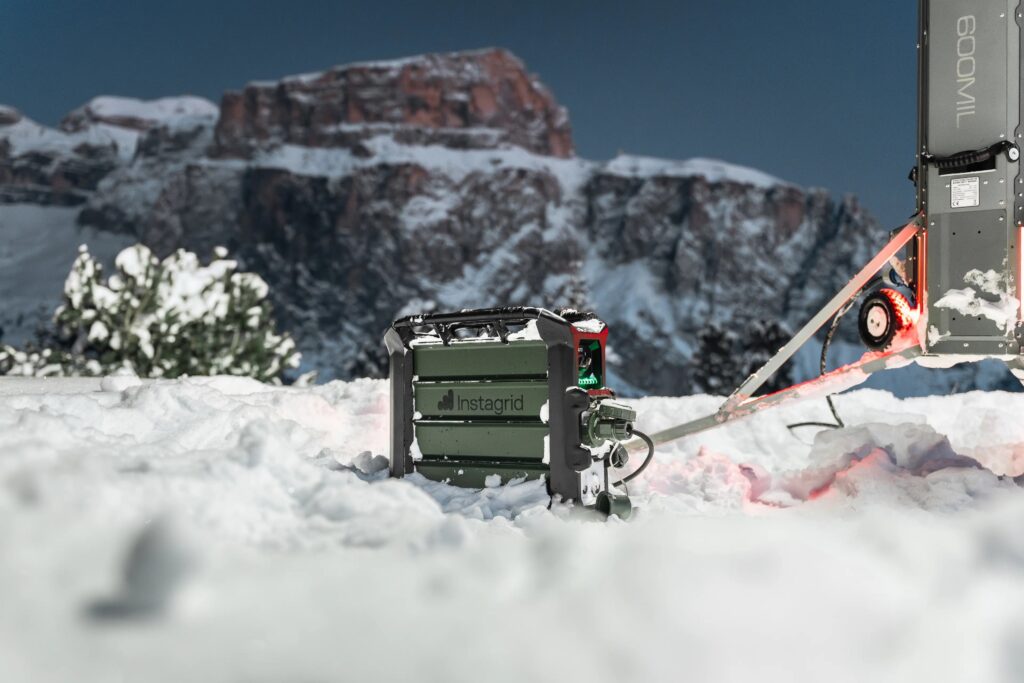
Ok I know it isn’t solarpunk but also it is very solarpunk.
Built around a compact, portable architecture, the system supports a wide range of battlefield applications, from powering mobile command posts and satellite communications to sustaining sensor networks.
It can also provide emergency power for lighting, pumps, and other mission systems, helping operations continue even in disrupted environments.
My point is this kind of device is being narrativized as a military weapon but if you take a step back and tilt your view a bit it is actually the most solarpunk thing ever.
You don’t have to just power weapons with all that portable power and you also don’t have to leverage the minimally invasive, stealthy nature of the device only to the aims of war. There are a million other uses, especially having to do with conducting scientific research with advanced instruments in rugged conditions that would otherwise require something far more invasive like a gas generator to power or would flat out not be feasible.
Also electronic music performances I imagine will be able to get a lot more absurd and exploratory in staging with this kind of technology.
OK but, how is this any different from a battery generators I can pick up from Harbor Freight or Jackery?
Against this device? Weight and rugged design specifications.
Yeah but, what about all the other battery generators that have already existed for years? Small rugged generators are already a thing, why is this one different? What am I missing here?
Why are those things important for solarpunk though? Why is that the most solarpunk thing ever, when equally (arguably more) capable portable battery packs have existed for at least a decade. I have a half dozen of various sizes, they are very rugged and some of them are very lightweight. (The better ones use LiFePo4 batteries and are vastly safer but therefore also somewhat heavier relative to their power and capacity but you can choose whichever you prefer to optimize for)