
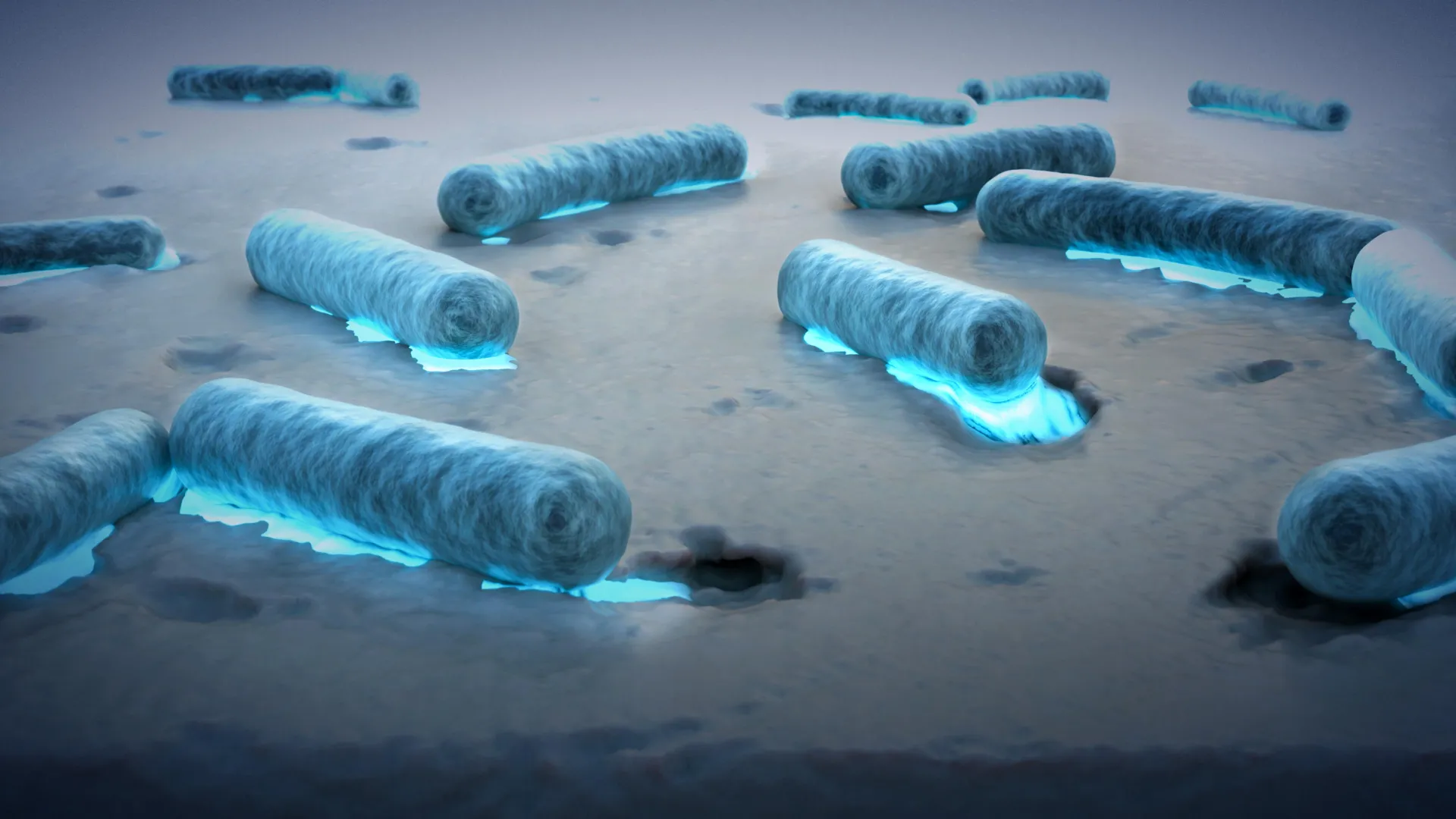
While this is awesome news (if true as stated), I’m afraid it will lead to a cessation of anti-pollution efforts and a return to the old thinking of “nature will handle it.”
What if the opposite happens and “oh shit, all plastic in the world is getting eaten, it’s worthless now!”
It happened to cellulose.
What’s going to happen to all the micro plastic in our bodies? And how long before it just eats us too.
I’m afraid it will lead to a cessation of anti-pollution efforts
The bacteria release carbon during the decomposition process. So this isn’t a “solution” in any meaningful respect. It’s an instance of evolution at work, as a surplus resource becomes a food source for innovative organisms.
Also, we look at this as some kind of “clean-up”. In reality, this is a threat to one of our most useful durable materials. It’ll likely lead to the development of antiseptics to kill these bacteria colonies, as the last thing anyone with a hard plastic shell on their vehicle or appliance or equipment wants is a colony of plastic-eaters deteriorating it.
Has anyone considered the flip side of this. if we are unintentionally creating a bacteria that eats plastic, and our civilization is made of plastic, then this is a bad thing. Hospital equipment, airplanes, computers food storage, electrical wires…
Don’t get me wrong, I think we should end all plastic use. but in a controlled way, not with a plastic eating plague.
To be fair, this has happened before, and I understand it was far hard for the bacteria then.
There was a time when cellulose could not be broken down. Trees fell and piled up for … miles? Anyway, then bacteria figured out how to break it down. (We also got coal from the trees that were burred.) Anyway, we still build out of cellulose. Sometimes we treat the cellulose, sometimes we don’t.
Plastic may, or may not, end up the same way.
It could always burn though. And in fact burned easier, with a higher O2 level in the atmosphere. And while bacteria did figure out how to break down some wood molecules, fungi evolved and are the more important wood digesters.
Thank you. I always hear about the fungi and not the bacteria…
Great reminder about the fires. https://en.wikipedia.org/wiki/Carboniferous in the section titled “Atmospheric oxygen levels”.
For example: the increasing occurrence of charcoal produced by wildfires from the Late Devonian into the Carboniferous indicates increasing oxygen levels,…