Use one without connectivity. Or get a microSD to SD adapter and a Wi-Fi-enabled FTP SD card… but I don’t think they make these anymore, much less durable, fast, high-capacity ones. Or get a USB-C microSD reader and keep it in the car if your phone has no free microSD slot.
Those WiFi SD cards probably aren’t any more secure than the cameras.
If the camera supports downloading video over USB, you can get a USB OTG cable to connect it to a phone or tablet. Otherwise a card reader is the way to go.
The camera’s USB interface tends to be rather slow, sometimes not even using the full USB 2.0 speed. USB-C card readers sometimes have USB 3.0 and internal ones are very fast, so you’re only limited by the medium’s read speed. And it allows a card swap if you have 2 so you can keep recording with a brief pause.
Agreed, my camera has USB, WiFi, and MicroSD. I never found the WiFi to be usable. Putting the card in a card reader is wayyyyyyy faster and easier and if you get a USB-C card reader it will likely work on your phone over USB-OTG as well as at home on a desktop PC. I pull the card about once a month to make sure it’s recording properly.
I have one that crashes and resets itself a lot. My settings are mainly suggestions. It’s like a windows machine in my car and I hate it. Fucking Thinkware trash.
Pro tip: many that ship with an SD inside will have the factory firmware and device-specific keys still recoverable on the card (secure erase is too slow for production I guess) so before turning the device on for the first time, remove the card and image it for maximum chance of recovering the FW intact.

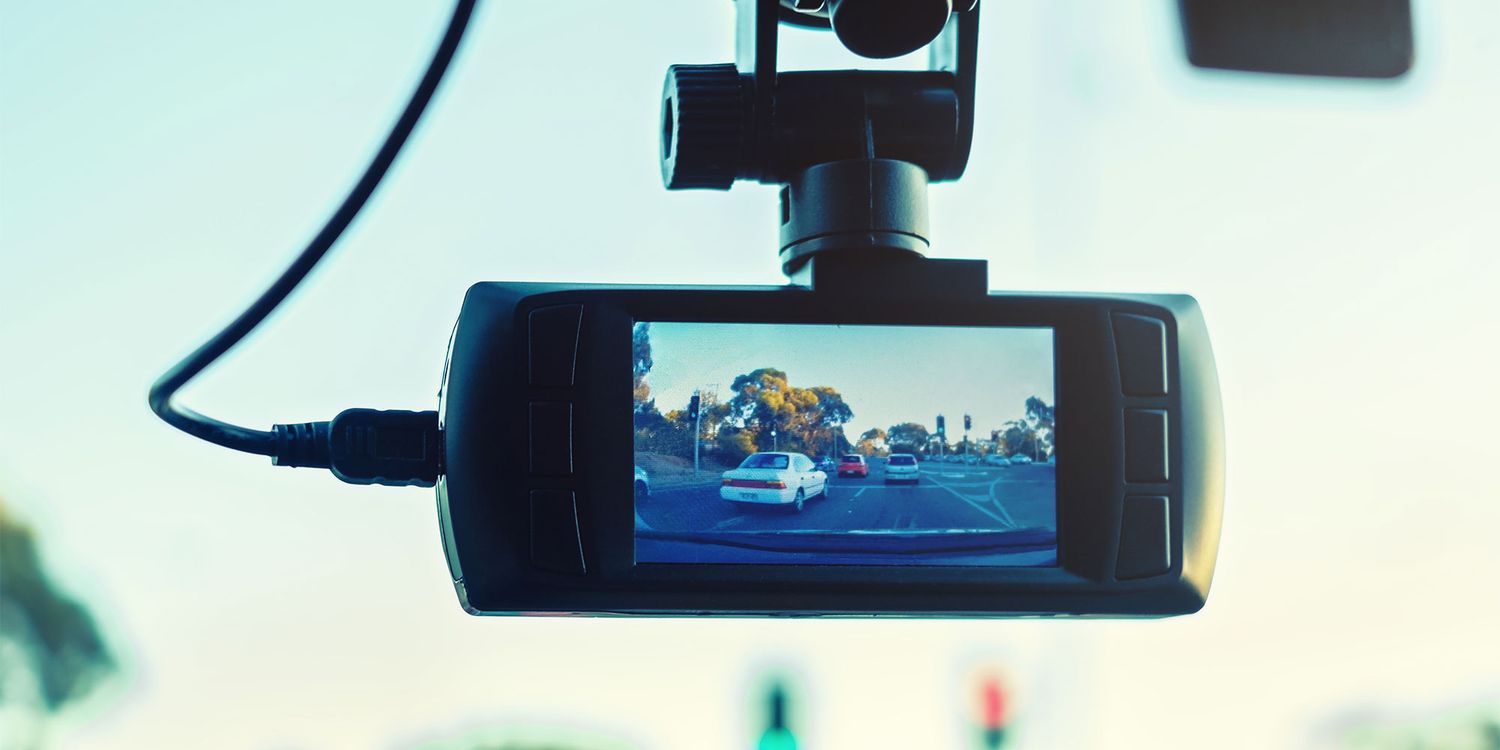
I would love a DIY open source option but I haven’t been able to find cheap available sensors that would survive a hot car.
Then again if the security really is this bad, maybe you could jailbreak and toss your own firmware on existing cameras. Hmmm
Use one without connectivity. Or get a microSD to SD adapter and a Wi-Fi-enabled FTP SD card… but I don’t think they make these anymore, much less durable, fast, high-capacity ones. Or get a USB-C microSD reader and keep it in the car if your phone has no free microSD slot.
Those WiFi SD cards probably aren’t any more secure than the cameras.
If the camera supports downloading video over USB, you can get a USB OTG cable to connect it to a phone or tablet. Otherwise a card reader is the way to go.
The camera’s USB interface tends to be rather slow, sometimes not even using the full USB 2.0 speed. USB-C card readers sometimes have USB 3.0 and internal ones are very fast, so you’re only limited by the medium’s read speed. And it allows a card swap if you have 2 so you can keep recording with a brief pause.
Agreed, my camera has USB, WiFi, and MicroSD. I never found the WiFi to be usable. Putting the card in a card reader is wayyyyyyy faster and easier and if you get a USB-C card reader it will likely work on your phone over USB-OTG as well as at home on a desktop PC. I pull the card about once a month to make sure it’s recording properly.
I have one that crashes and resets itself a lot. My settings are mainly suggestions. It’s like a windows machine in my car and I hate it. Fucking Thinkware trash.
Pro tip: many that ship with an SD inside will have the factory firmware and device-specific keys still recoverable on the card (secure erase is too slow for production I guess) so before turning the device on for the first time, remove the card and image it for maximum chance of recovering the FW intact.