

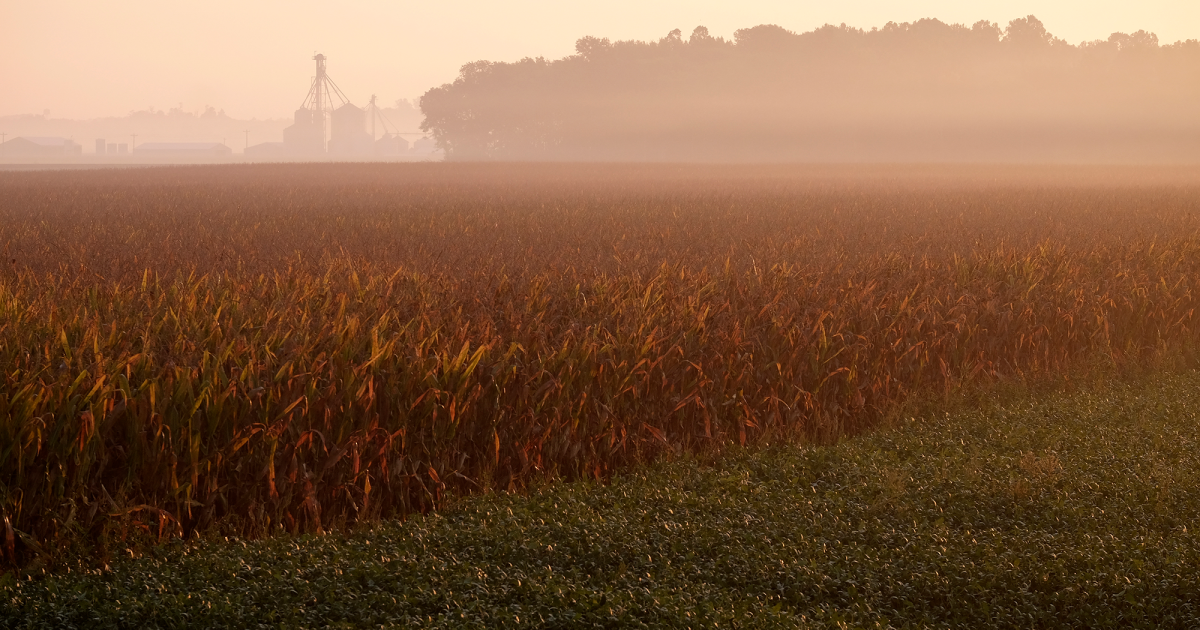
The plan to bury carbon under remote Indiana farmland is supposed to be a slam dunk for the climate, according to its supporters—all generously funded by US tax dollars.
But as far as Melissa Harrison and some other residents of Clymers, Indiana, are concerned, it just might be the end of their town. “This is our place,” she says. Generations of her family are buried in the cemetery, and she is raising her five grandchildren in one of several dozen white-clapboard homes among corn fields and industrial plants serving the farming industry.
Now a local ethanol plant has spearheaded a project to bury vast stores of carbon deep in the geologic formation that runs under the town and surrounding farms.
The government subsidies for the plan, which is supposed to help prevent global heating, are so generous that companies all over the country have been rushing to get permission for similar projects.
But residents around some of these carbon sequestration projects are organizing to stop them, making Clymers an epicenter of emerging national tensions around these projects.
While international climate monitors say carbon sequestration projects could be secondary tools to help contain global warming, they also say the main focus must be on urgent and deep cuts to fossil fuels. Some environmental groups question the benefits of carbon sequestration and are concerned it could delay the transition to clean energy and pose risks to surrounding communities.