

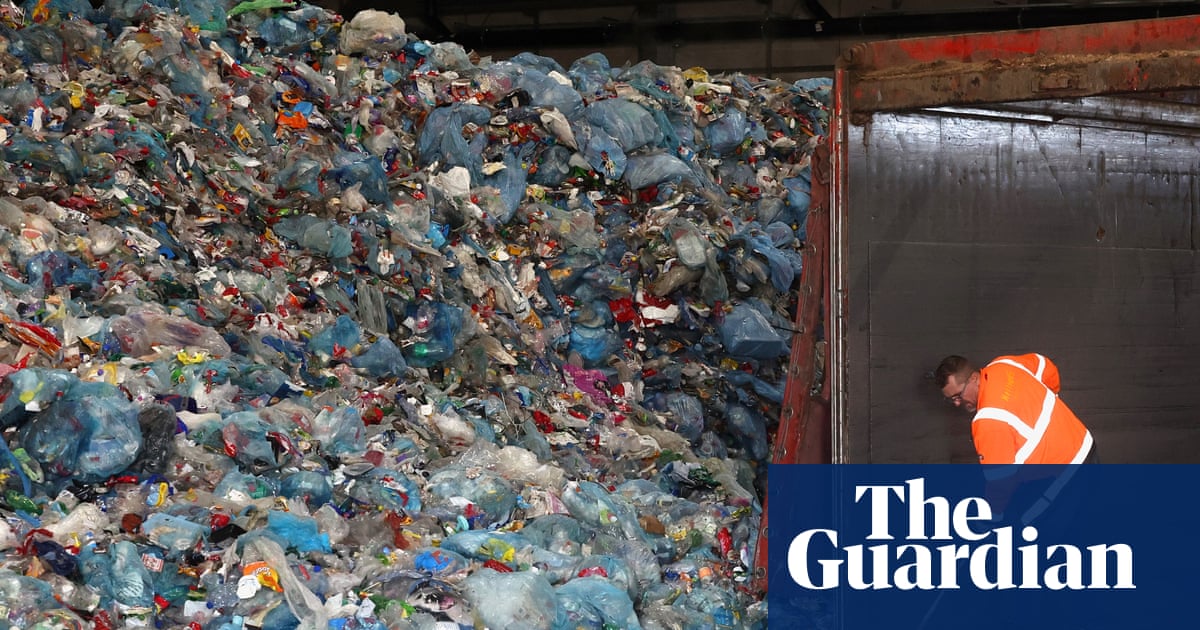
Europe’s supermarket shelves are packed with brands billing their plastic packaging as sustainable, but often only a fraction of the materials are truly recovered from waste, with the rest made from petroleum.
Brands using plastic packaging – from Kraft’s Heinz Beanz to Mondelēz’s Philadelphia – use materials made by the plastic manufacturing arm of the oil company Saudi Aramco.
The Saudi state-owned holding opposes production cuts under the UN plastic treaty and is the world’s largest corporate greenhouse gas emitter (more than 70m tonnes up to 2023).
Aramco’s petrochemical subsidiary, Sabic, along with other big players, devised a successful way to rebrand their harmful business as “planet saver”. They label plastic as “circular” and climate-friendly, although in practice it remains almost entirely fossil-based, exacerbating global warming and the plastic crisis.
Under industry pressure, Europe is on track to legalise this practice, which independent experts have described as greenwashing, with lax EU rules set to take effect in 2026 and similar UK regulations to be enforced as of 2027.