Wood stoves equipped with thermoelectric generators can produce electricity that is more sustainable, more reliable, and less costly than power from solar PV panels.
Solar panels that don’t sustain some environmental damage tend to last 50 years or more (their power output degrades, but they still function and put out useful amounts of electricity). By the time most panels need to actually be fully replaced and recycled, I think we’ll have the facilities to do so.
But even if we somehow can’t, and every single solar panel is destined for landfill after 50 years (which is highly unlikely), they’d still be a far better option environmentally and climate wise compared to burning gas, coal, or wood at scale.
But even if we somehow can’t, and every single solar panel is destined for landfill after 50 years (which is highly unlikely), they’d still be a far better option environmentally and climate wise compared to burning gas, coal, or wood at scale.
While this it’s true it also reinforces the myth that we should, it’s still entirely unsustainable. Even 90% recycling still means massive amounts of new material is needed.
near zero energy use isn’t acceptable to the people causing all this.
The article mentions thermoelectic generators only make sense when used with fossil fuels, they aren’t viable with electric heating, as presumably the user then already has access to a grid or some other more powerful form of renewable electricity.


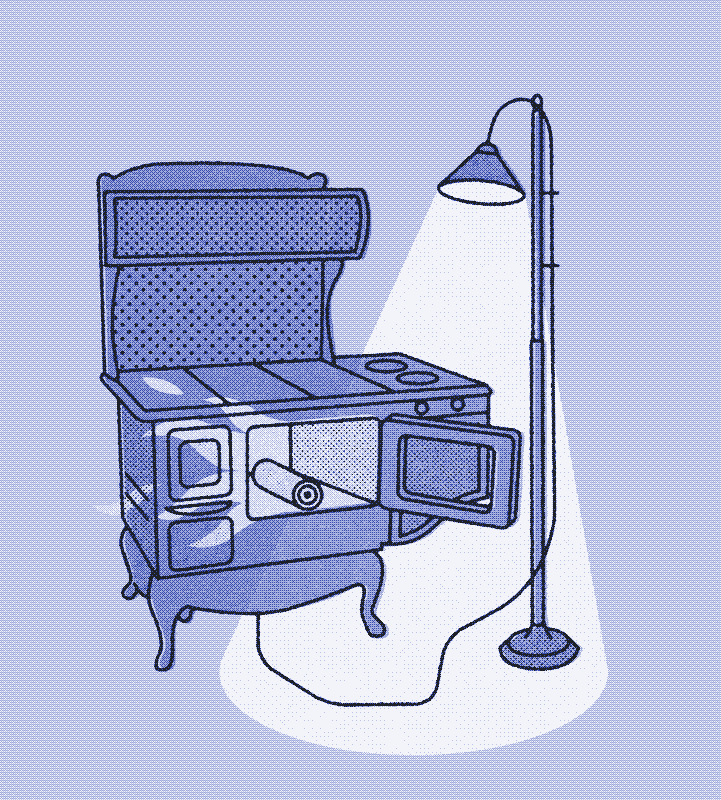
I can see that being used in rural areas where wood is abundant. We need a alternate for urban areas tho
166W an hour? You can power a laptop and a light for that. What on earth were they smoking to say this is worthwhile…
Unit pedant here: Just 166W. Watts are joules per second (they already have time in them, adding another unit of time confuses things).
This might seem silly, but it will help avoid confusion when you encounter Wh (watts * hours).
Sunlight is broadly speaking abundant in rural areas too, along with wind
The problem with modern solar panels is that they are hard to recycle. TEG’s do not have that problem.
Solar panels that don’t sustain some environmental damage tend to last 50 years or more (their power output degrades, but they still function and put out useful amounts of electricity). By the time most panels need to actually be fully replaced and recycled, I think we’ll have the facilities to do so.
But even if we somehow can’t, and every single solar panel is destined for landfill after 50 years (which is highly unlikely), they’d still be a far better option environmentally and climate wise compared to burning gas, coal, or wood at scale.
While this it’s true it also reinforces the myth that we should, it’s still entirely unsustainable. Even 90% recycling still means massive amounts of new material is needed.
near zero energy use isn’t acceptable to the people causing all this.
https://dothemath.ucsd.edu/2024/07/metastatic-modernity-launch/
I’m not convinced that’s a big enough problem to outweigh the extreme inefficiency of thermoelectric.
They have their own problem of worsening air quality.
Can you imagine what a whole city with wood burning stoves would be like? You could cut the smog with a knife!
And they use up wood too. I think they are meant to be combined with other renewables.
The article mentions thermoelectic generators only make sense when used with fossil fuels, they aren’t viable with electric heating, as presumably the user then already has access to a grid or some other more powerful form of renewable electricity.