“Tuna fish” is a phase used primarily for canned tuna, but not for the live fish or things like tuna steak. It’s because when canned tuna was created in the US in the early 1900’s people who were not right next to the sea (like the majority of the US) did not know what “tuna” was. Firstly, the word is a of Spanish origin and secondly, its a salt water only fish. So in order to sell this to middle America, which was where most of the consumers were at the time but was also made up of people who have never seen the ocean, they added the word “fish” to show like other tinned fish that was commonly purchased: codfish, bluefish, and whitefish, this is also a fish and that is what you can expect when you open this can.
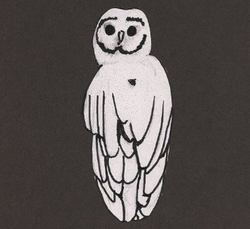
Colloquially tuna fish refers to the shredded salt brined tins of fish like this:

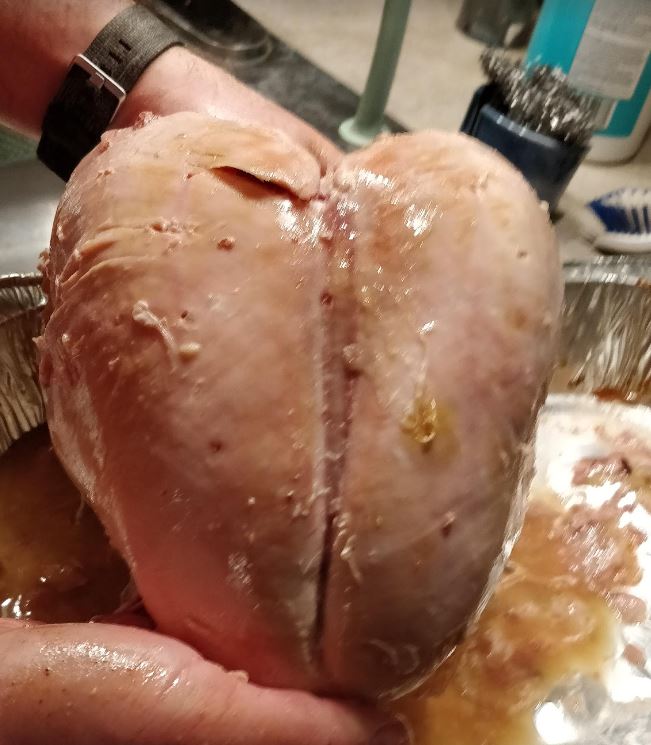
Which I do think is worth distinguishing from the actual whole pieces of tuna
Which I do think is worth distinguishing from the actual whole pieces of tuna
So a tuna can…? Canned Tuna? Canned Fish?
“Tuna Fish” is still redundant and doesn’t actually address the can
Yes, language evolves haphazardly and often doesn’t make literal sense.
Alright, that’s my 2 cents. I’ll catch you on the flipside.
How old is the “2 cents” figure of speech? Why hasn’t it adjusted with inflation?
The concept could be as old as the New Testament, but apparently this specific phrasing is from the early 1900s, so it’d be about 60-70¢ now depending on which year you want to pick.
https://www.snopes.com/fact-check/two-cents-and-sensibility/
Flipside of what? Are we flipping coins, and you will see us underneath the coins?
Like how using the word “literally” somehow became not literal.
I want the destroy those people. Literally.
I don’t disagree with you but I don’t control American English. I imagine both head cheese and sweetbreads would also upset you
I don’t control American English

I don’t control American English
Maybe try harder. Be the change you want to see in the world. I don’t necessarily believe in you but I’m sure someone does! And in the end that’s all the motivation you need.
sweetbreads
One of my favorite pair of words that don’t get used much anymore is sweetmeat and sweetbread, with the former being candy and the latter being animal pancreas.
The etymology is that meat (from mete) just meant food, and bread (from bræd) meant flesh. Sweet used to mean a more generalized pleasant taste or sensation, rather than more specifically sugary.
Wait till you hear about “soda pop”
“I want a coke. No not that one - the Mountain Dew!”
I see you’ve also been to Georgia
Look, Americans are genetically dumb as we all know, but I don’t think Tuna Fish is necessarily a consequence of that affliction in particular. It’s like saying “Sail Fish”, “Sail” is not a fish, it is the canvas you put on boat masts, and “Tuna Fish” is like that I think. It’s a type of fish, of the tuna kind. That said, before I go just let me take another opportunity to state that Americans are genetically dumb as we all know.
If you want to talk eugenics, Twitter is that way ->
Hahaha eugenics? Have you considered not skipping school and stop drinking lead paint? First of all it’s a fucking joke, second of all, there was no mention of eugenics, thirdly, how do you think intelligence works? Magic?
I know this is a bad troll but it’s also just sad that people actually are actually as retarded as you’re pretending to be
So tinned tuna
No!
If I gotta use a freaking tool to open you, you, can’t call yourself tinned!
Why do they need to specify it’s in water? It’s a fish, of course it needs to be in water.
Some are in oil, but as BP learned, this kills the crab.
Brined tuna is an abomination before God. It must be sunflower oil.

There’s no one single reason, but the top theories:
- Tuna oil was a thing before “tuna fish”. Yes, people could have said “tuna” but they didn’t. That’s language for you. People say “ATM machine” and “PIN number”, too.
- “Tuna fish” has a slightly sing-song pattern to the stressed/unstressed syllables that probably contributed
- For whatever reason, “tuna fish” tends to refer to canned tuna, whereas “tuna” can include fresh (or frozen) tuna.
It’s… just how language evolves.
I think, however, that “tuna fish” is slowly dying out in favour of just “tuna”. As a 50 year old, anecdotally I have seen the usage decrease in my lifetime.
I agree with 3. That’s exactly how my head cannon works and from what I can tell, others around me.
I bought some tuna fish and chai tea with cash i got from the atm machine
cash money
obtained with my pin number
I love this comment, I’m going to save it on a PDF file.
This one is actually correct. PDF stands for Portable Document Format.
Ooops. I mixed it with some other then
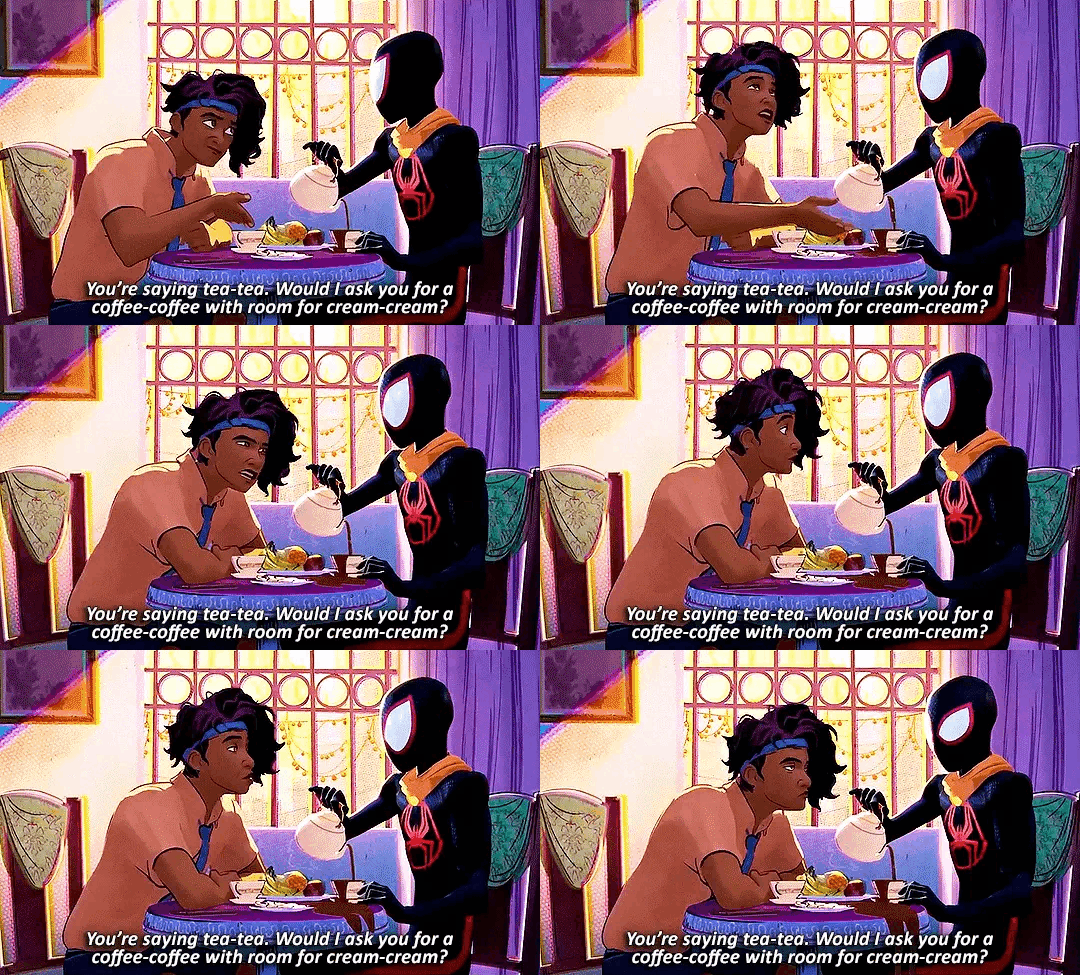
Chai may mean tea, but since it is different from the typical English tea ‘chai’ was modified to be an adjective for tea denoting the difference. Because that’s how language works.
Yeah, stop it with the redundant pleonasms!
Is the 3rd movie out?
You can twist knobs on a guitar, but you can’t make it drink.
If I twist the knobs on my wife too hard she shits herself.
Wow she must be really into that.
I laughed so hard that I drooled a little. Thank you
Speak for yourself
Instructions unclear knob stuck in guitar after drinking a lot. And something smells fishy
As an American who was only ever said tuna or tuna sandwich, etc. I do think “Tuna fish” has an appealing flow (euphonious consonants without any blends) and the ish pairs well with ich in sandwich
In my mind, tuna fish is the shredded stuff in a can and tuna is bigger pieces
No, nonono, now you are committing semantic sins that weren’t even implied in the original post! It’s either or, you can’t have different names for tuna solely depending on what type of package they come in, that makes even less sense!
To be fair, I’d never thought about it before this post! Just an observation of my mental association I guess!
Tuna fish is the chicken bird of the sea water.
My aneurysm is acting up again
Well, where I live, Tuna is also a cactus. Prickly pear is often called tuna. So yeah, tuna (fish) and tuna (fruit) can need disambiguation.
Where do you live?
Florida. It’s this plant, nopales are the leaves, tuna is the fruit. Also the whole plant and the fruit are called prickly pear, but when I see it for sale (as food), it’s Tuna. Nopales taste sort of like green peppers to me.
Opuntia - Wikipedia https://share.google/l2Ax80KhUVxMh7r7A
That’s actually really fascinating and neat.
But I’m also legally required to make fun of Florida and use that as the reason you must clarify tuna is a fish.
Some of you have never eaten tuna cow and it shows
Horse back riding
If you don’t specify, Americans will ride the wrong part of the horse
Thanks to Catherine the Great, we all have to specify which part of the horse we’re going to ride.
I thought it was Mr. Hands, the aerospace engineer, that made us require that distinction.
What was that acronym he came up with, something about I don’t need a bucket cuz the horse is just the right height 🤯
Honestly, I try to avoid knowing any more about him than I can. I know a bunch of meta details, but didn’t dig that far into it.
I vaguely rember Catherine the Great*, but I dont remember anything about a horse.
I am ready to learn though
*
Was she after Henry the 8th? The first Queen to rule without a king by her side?
For this one could it be horse back riding because people also used to have horse carts ? Unless in other countries it’s different lol
If we didn’t say that, we wouldn’t have the joke about the difference between a piano and a fish.
I think it’s mostly for the dad joke:
You can tune a piano, but you can’t tune a fish.
I feel there’s some joke to be made involving that ribbed fish shaped instrument we used to play with in elementary school
Dad joke or name of a great album. That the the dad joke came first is pretty much beyond dispute, lol.
A Czech reporter’s name is Jan Tuna. Please keep saying “tuna fish” for his* sake.
* he/him, Jan is a common male name here derived from John, the female counterpart is Jana
“hey Jan, I’m watching some peertube chef and he’s talking about ‘bluefin tuna’! Did you used to be punk in college?”
deleted by creator
No, I feel that’s pretty universal.
Universal in America