As wish many things American, it goes back to slavery. Tipped workers were a way for employers to avoid paying (mostly black) workers, effectively providing slavery-lite even after slavery had ended (Happy Juneteenth).
In any case, current U.S. labor law has specific carve-outs for certain tipped jobs that allow the minimal wage to be not the already unlivable $7.25/hr but the unsustainable $2.15/hr. Technically, employers are required to bring a tipped workers pay up to $7.25/hr if they do not report enough tips, but in practice employers encourage reporting incorrect tips and find reasons (if needed) to dismiss employees that do not report enough tips.
Fisherman, Sailor, Teamster, and Chef are not tipped positions. Waitstaff is a tipped position.
Tipped workers were a way for employers to avoid paying (mostly black) workers, effectively providing slavery-lite even after slavery had ended
It’s not just about being cheap though. It reinforces the idea that the worker is of a lower social status than the customer. The customer may, at their own discretion, choose whether or not to pay the worker a fair wage for the work they have done. That’s a very clear power imbalance.
my wife hates this but money burns a hole in my pocket. i inherited it from my dad. so while i contribute to the problem, it’s because a larger than average tip really brightens someone’s day. it means i can’t eat out as much, but that’s my problem not theirs.
As someone in the industry, I can’t thank people like you enough. A great tip can make a shitty shift so much better. I wish so many others were as kind. Or at this rate, just kind enough to tip 20%.
I mean let me read a book in a quiet corner for a shift and check in every hour, keep me full of bread and coffee? That’s worth a hell of a lot more than 20 per cent. More like $25.
Yes and “tipping” has gone insane. Not just amounts (tho even when I was a child, my parents consider 10% the bare minimum) but also you get prompted to leave a tip for transactions that don’t involve a tipped position.
My experience is from one of the shittier states for workers (Arkansas), right-to-work effectively eliminates all union activity, the state would remove the minimum wage if it could, and there’s even people that want to make it easier for 14-18 year olds to work.
Inside the US its you directly subsidising the businesses refusal to even pay minimum wage.
So bitching about a higher tip is bitching about fair wages for work. You got an issue paying that, you take it up with the employer who has shoved the burden of paying their waitstaff onto you.
Or we could tip while we continue advocating for legal ends to the system of tipping. I won’t stiff someone who isn’t making a fair wage, but I’d really like to switch over to how europe does it
The money comes from the customer in either scenario, functionally there is no difference it flows from customer to employee regardless.
Edit: just to be clear, I am very much against the tipping culture in the US as it only benefits the employer and leaves employees at the whim of the customers mood. But all employee salaries are paid by the customers money in the end.
No the definition is technically to be partially financially supported by public funds (I.e. government or other organization)…but that wouldn’t cover tipping from private customers either so…
i don’t think there’s a misunderstanding dude. i think you’re talking past each other because you used hyperbole. you both seem to be making the same point in different words, like you got different educations and degrees or something normal like that
No, but we shouldn’t expect to pay less if they stop receiving tips and the employer pays them instead. I think a lot of people make this assumption. In reality it’ll be more like you don’t have to tip but your meal is 20% more expensive.
7% more expensive in reality. labor costs are a lot in restaurants, but the big one is rent followed by utilities
there was a study on fast food prices rising in relation to the 15 dollar minimum wage hike. that’s where i’m getting my number from. also my ass because it’s me, but my estimates are usually spot on.
Are you saying the restaurant should charge more and prevent tipping or if you don’t tip you get hit with an extra charge? Or is it a different method?
Ideally, the restaurant should pay enough that tipping is not required (which does require them to raise prices). As a customer you would then be free to tip a smaller amount if you thought that the service was exceptional.
That’s how it works in the UK although a lot of businesses are adding a tip onto the bill in advance so that you would need to complain about the service to get it removed (technically you can just ask them to remove the tip without giving a reason if that’s how you want to play it).
I would like the charge to stay the same but the waiter still gets a living wage but it’s absurd to believe that will happen and may be unrealistic to expect that it should. I don’t know what profit margin any given restaurant has but none will give up 20% of profits and a lot may not be able to remain open if they have to. In any scenario the business would have to change beyond recognition. The ones who choose to adapt may just fire the waiters and have you order through a machine and then you don’t have to tip but that business model already exists in most fast food chains.
I would like the charge to stay the same but the waiter still gets a living wage but it’s absurd to believe that will happen and may be unrealistic to expect that it should
which is why it takes a change in law. california did it.
I may have misunderstood the question. Restaurants who have adopted no tipping add the 20% charge in one way or another. Either the food costs more or there’s a service fee.
No, you hit the nail on the head. A lot of Americans are fooled by this sort of anti-worker division propaganda. This is a conservative / right wing comic.
Uh, false. So called “serving” class jobs (wait staff, hotel maids and a few others) have a lower minimum wage in many of the provinces. In Quebec, their sales for their shifts are even tracked an proactively taxed for the expected tips they should receive. Which is why you get stink eye from servers in Quebec, they get taxed on expected tip output even if they don’t get tipped.
I see they have removed the “service” terms held over from slave nomenclature and now call it a “minimum tipped wage”.
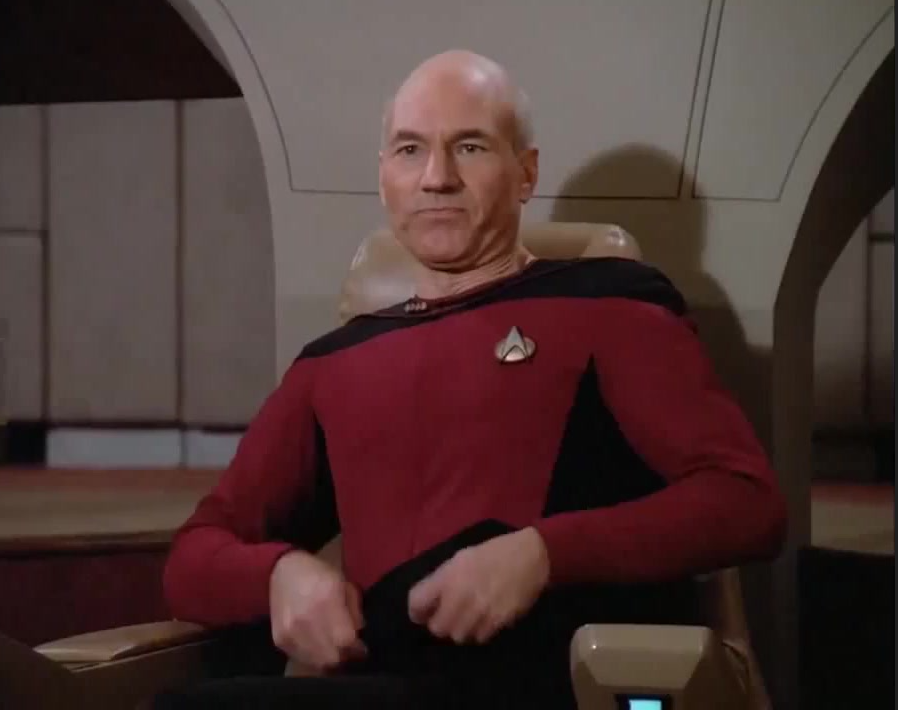


Yes, but waiter are underpaid and should have a salary too.
… Apparently. This is too american for me to understand
As wish many things American, it goes back to slavery. Tipped workers were a way for employers to avoid paying (mostly black) workers, effectively providing slavery-lite even after slavery had ended (Happy Juneteenth).
In any case, current U.S. labor law has specific carve-outs for certain tipped jobs that allow the minimal wage to be not the already unlivable $7.25/hr but the unsustainable $2.15/hr. Technically, employers are required to bring a tipped workers pay up to $7.25/hr if they do not report enough tips, but in practice employers encourage reporting incorrect tips and find reasons (if needed) to dismiss employees that do not report enough tips.
Fisherman, Sailor, Teamster, and Chef are not tipped positions. Waitstaff is a tipped position.
It’s not just about being cheap though. It reinforces the idea that the worker is of a lower social status than the customer. The customer may, at their own discretion, choose whether or not to pay the worker a fair wage for the work they have done. That’s a very clear power imbalance.
my wife hates this but money burns a hole in my pocket. i inherited it from my dad. so while i contribute to the problem, it’s because a larger than average tip really brightens someone’s day. it means i can’t eat out as much, but that’s my problem not theirs.
As someone in the industry, I can’t thank people like you enough. A great tip can make a shitty shift so much better. I wish so many others were as kind. Or at this rate, just kind enough to tip 20%.
I mean let me read a book in a quiet corner for a shift and check in every hour, keep me full of bread and coffee? That’s worth a hell of a lot more than 20 per cent. More like $25.
True but some states don’t have this distinction and it means servers actually make pretty decent money.
Yes and “tipping” has gone insane. Not just amounts (tho even when I was a child, my parents consider 10% the bare minimum) but also you get prompted to leave a tip for transactions that don’t involve a tipped position.
My experience is from one of the shittier states for workers (Arkansas), right-to-work effectively eliminates all union activity, the state would remove the minimum wage if it could, and there’s even people that want to make it easier for 14-18 year olds to work.
Outside of the US it’s a reward for good work
Inside the US its you directly subsidising the businesses refusal to even pay minimum wage.
So bitching about a higher tip is bitching about fair wages for work. You got an issue paying that, you take it up with the employer who has shoved the burden of paying their waitstaff onto you.
Stop being little bitches and unionise. Tip is not pay.
How many unions you a member of?
Exactly! Don’t like paying tips? Stop eating at those establishments.
One of the greatest achievements of restaurant owners was to pay waiters sub liveable wage and make them blame customers for it.
Or we could tip while we continue advocating for legal ends to the system of tipping. I won’t stiff someone who isn’t making a fair wage, but I’d really like to switch over to how europe does it
And ironically one of the biggest proponents of keeping the tipped minimum wage was Herman Cain (who is black. Or was. He dead now).
please oh please phrase it Herman Cain (who is dead) it tickles so many ex-cultists on here’s funny bones
Waiter is the only one who gets their wage subsidized by their bosses customers.
Everyone gets their wage subsidized by the customers of the business (both B2B and B2C) they work for.
So, they all can ask for tips?
The money comes from the customer in either scenario, functionally there is no difference it flows from customer to employee regardless.
Edit: just to be clear, I am very much against the tipping culture in the US as it only benefits the employer and leaves employees at the whim of the customers mood. But all employee salaries are paid by the customers money in the end.
Yeah, but that’s not what subsidized means at all.
No the definition is technically to be partially financially supported by public funds (I.e. government or other organization)…but that wouldn’t cover tipping from private customers either so…
No, you’re just wrong here and there is no technically.
You’re misunderstanding what public funds are.
You you’re suggesting that money spent by private customers counts as “public funds”, you’re misunderstanding what public funds are.
i don’t think there’s a misunderstanding dude. i think you’re talking past each other because you used hyperbole. you both seem to be making the same point in different words, like you got different educations and degrees or something normal like that
ARGLEBARGLE I LOVE YOU FOR BRINGING UP THIS POINT
No, but we shouldn’t expect to pay less if they stop receiving tips and the employer pays them instead. I think a lot of people make this assumption. In reality it’ll be more like you don’t have to tip but your meal is 20% more expensive.
7% more expensive in reality. labor costs are a lot in restaurants, but the big one is rent followed by utilities
there was a study on fast food prices rising in relation to the 15 dollar minimum wage hike. that’s where i’m getting my number from. also my ass because it’s me, but my estimates are usually spot on.
And we won’t pay less!
To be fair, they will do the whole boiling frog pot thing. It’ll be easier to do with 7% inflation a year.
we’re currently1 at 4%/mo or 28% a year which is fuuuuun
1last i checked which was i forget but it was less than a year ago and the number makes krasnov look bad so meh.
Yeah, but now everyone’s running out of strategic oil reserves.
really? i haven’t even touched my fast food workers

No one HAS to tip. Also the meal is priced at what the business believes the customer will pay.
Are you saying the restaurant should charge more and prevent tipping or if you don’t tip you get hit with an extra charge? Or is it a different method?
Ideally, the restaurant should pay enough that tipping is not required (which does require them to raise prices). As a customer you would then be free to tip a smaller amount if you thought that the service was exceptional.
That’s how it works in the UK although a lot of businesses are adding a tip onto the bill in advance so that you would need to complain about the service to get it removed (technically you can just ask them to remove the tip without giving a reason if that’s how you want to play it).
I would like the charge to stay the same but the waiter still gets a living wage but it’s absurd to believe that will happen and may be unrealistic to expect that it should. I don’t know what profit margin any given restaurant has but none will give up 20% of profits and a lot may not be able to remain open if they have to. In any scenario the business would have to change beyond recognition. The ones who choose to adapt may just fire the waiters and have you order through a machine and then you don’t have to tip but that business model already exists in most fast food chains.
which is why it takes a change in law. california did it.
I may have misunderstood the question. Restaurants who have adopted no tipping add the 20% charge in one way or another. Either the food costs more or there’s a service fee.
Tip?.. 15%… 20%… custom
They can all ask, I’ll still say no.
(I get it. It was just for the meme)
No, you hit the nail on the head. A lot of Americans are fooled by this sort of anti-worker division propaganda. This is a conservative / right wing comic.
(I get it. It was just for the meme/joke)
Right wing propaganda is still right wing propaganda when packaged in a “joke” or as “irony”. You were correct to question it.
I mean the last part of my message. I fully understand it,
Visit Canada where wait staff don’t have a separate minimum wage yet still we have American tip culture.
Uh, false. So called “serving” class jobs (wait staff, hotel maids and a few others) have a lower minimum wage in many of the provinces. In Quebec, their sales for their shifts are even tracked an proactively taxed for the expected tips they should receive. Which is why you get stink eye from servers in Quebec, they get taxed on expected tip output even if they don’t get tipped.
I see they have removed the “service” terms held over from slave nomenclature and now call it a “minimum tipped wage”.
https://www.cnesst.gouv.qc.ca/en/working-conditions/wage-and-pay/wages/minimum-wage
Canadian from Quebec here.
Yes, we do.
So is the fisherman and the cook.